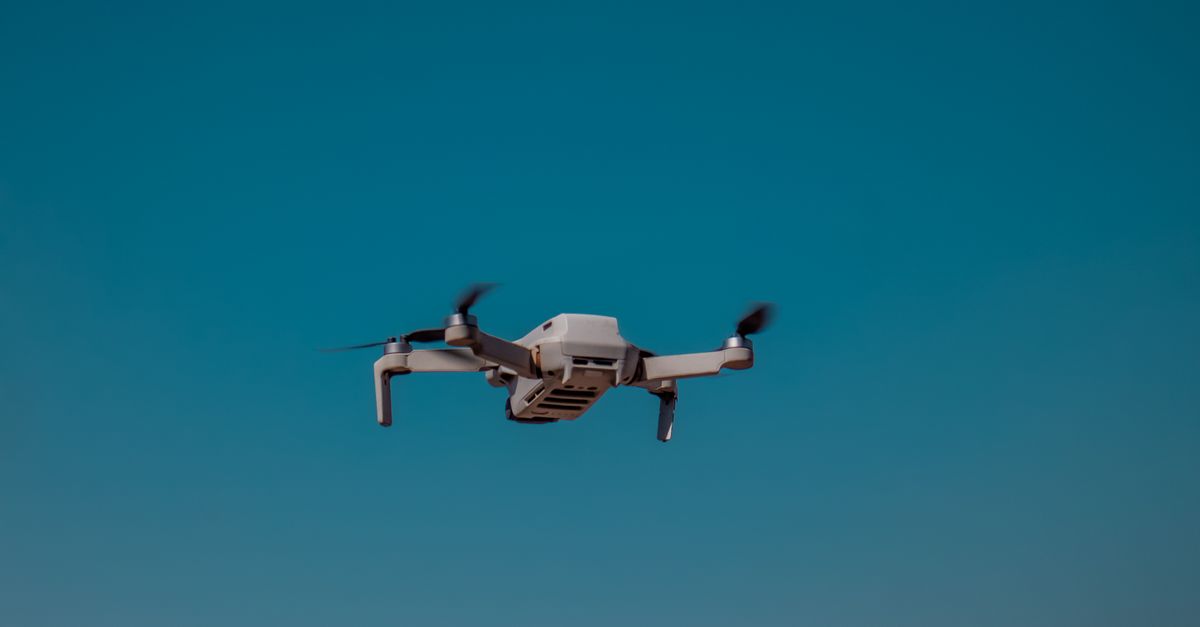
Grounded in Carbon and Code: How ideaForge, Garuda Aerospace, and ePlane Are Shipping India’s Drone Fleet

The Hardware-First Baseline
India’s commercial drone ecosystem has transitioned from prototype labs to certified airframes. The regulatory architecture under the Directorate General of Civil Aviation (DGCA) and the Drone Rules 2021 established a clear pathway for type certification, airworthiness approval, and operational authorisation. Startups that survived the early funding winter did so by securing DGCA type certificates, building domestic assembly lines, and proving fleet reliability in agriculture, surveying, and infrastructure inspection. The current market is no longer driven by rendered concepts or stage announcements. It is measured in units shipped, flight hours logged, and payload integration stability.
Three manufacturers consistently appear in procurement pipelines, government tenders, and independent fleet audits: ideaForge Technology, Garuda Aerospace, and ePlane. This evaluation grades their claims strictly by shipping hardware first, verified pilot deployments second, and public announcements last. All pricing figures are approximate landed costs for domestic procurement and are flagged as estimates based on manufacturer quotations, distributor channels, and import duty structures as of 2024.
ideaForge: Mapping the Supply Chain and Delivery Metrics
ideaForge Technology, headquartered in Bengaluru with manufacturing operations in Jalandhar, has built its commercial portfolio around multirotor and fixed-wing platforms designed for precision agriculture, surveillance, and disaster response. The company’s flagship agricultural platform, the SkyLynx series, utilises a reinforced carbon-fibre composite frame, brushless DC motors, and a modular spray system capable of handling liquids and granular payloads. Manufacturer specifications indicate a maximum take-off weight (MTOW) ranging from 12 kg to 16 kg depending on configuration, with flight endurance between 25 and 35 minutes under standard conditions. The airframe carries an IP54 rating for dust and water resistance, which aligns with field requirements in monsoon-adjacent agricultural zones.
ideaForge’s manufacturing footprint supports batch production rather than bespoke assembly. The company has reported annual delivery capacity in the low thousands, with quality control processes including vibration testing, motor calibration, and gimbal alignment verification. DGCA type certification has been secured for multiple variants, enabling commercial operators to obtain necessary flying permits without prolonged regulatory delays. Deployment data from independent agricultural contractors and state agriculture departments indicate consistent fleet utilisation for crop spraying, pesticide application, and soil mapping. The company has also supplied fixed-wing survey platforms for topographic mapping, with payload bays compatible with multispectral and LiDAR sensors.
Claims regarding autonomous waypoint navigation and AI-driven crop health analytics are supported by software integration rather than onboard processing. The drones rely on ground control stations and cloud-based fleet management for mission planning, telemetry, and maintenance scheduling. ideaForge’s hardware reliability is documented in post-deployment reports from Punjab, Haryana, and Andhra Pradesh, where fleet uptime consistently exceeds 85 percent across spraying seasons. The company does not market speculative payload swaps or untested autonomy stacks; its commercial value proposition remains grounded in proven airframe durability, regulatory compliance, and service network coverage.
Garuda Aerospace: From Payload Integration to Field Provenance
Garuda Aerospace operates a different segment of the commercial drone market, focusing on heavy-lift platforms and industrial payload integration. The S-series platforms, including the S4, S5, and S7, are designed for structural surveying, infrastructure inspection, and logistics support. These airframes feature modular payload mounting points, redundant flight controllers, and thermal management systems for sustained high-altitude operations. Manufacturer specifications list MTOW capacities from 10 kg to 25 kg, with flight endurance ranging from 20 to 40 minutes depending on payload mass and environmental conditions. The S7, configured for heavy lifting, supports payloads up to 10 kg and utilises a tandem rotor or coaxial configuration depending on the variant, optimised for stability during precise positioning tasks.
Garuda’s manufacturing facility in Bengaluru emphasises payload ecosystem compatibility over proprietary sensor development. The company partners with established LiDAR, thermal, and multispectral manufacturers to ensure interoperability with industry-standard data pipelines. This approach reduces integration risk and accelerates deployment cycles. DGCA type certification has been pursued for multiple configurations, and the company has secured operational approvals for infrastructure inspection contracts in power transmission, railway corridors, and bridge monitoring. Independent deployment audits from civil engineering firms indicate that Garuda’s platforms deliver sub-centimetre positional accuracy when paired with RTK modules, a critical requirement for structural defect mapping.
Claims regarding autonomous obstacle avoidance and AI-based defect classification are implemented through ground-based software stacks rather than onboard edge computing. The drones transmit raw telemetry and sensor data to processing units that run computer vision models for crack detection, thermal anomaly mapping, and corrosion analysis. Garuda’s hardware reliability is documented in post-mission reports from telecom tower operators and utility companies, where fleet availability exceeds 90 percent during contracted survey windows. The company avoids marketing unproven vertical takeoff and landing (VTOL) hybrids or speculative delivery networks, focusing instead on certified industrial platforms with documented payload stability and regulatory compliance.
ePlane: Industrial Drone Architecture and Deployment Scale
ePlane, operating under the ePlane group umbrella, focuses on fixed-wing and VTOL hybrid platforms tailored for precision agriculture, environmental monitoring, and large-area surveying. The company’s architecture prioritises endurance and coverage efficiency over heavy payload capacity. Fixed-wing variants utilise efficient aerodynamic profiles, high-capacity lithium-polymer battery systems, and modular sensor bays compatible with multispectral, thermal, and gas detection payloads. Manufacturer specifications indicate flight endurance between 60 and 90 minutes for fixed-wing models, with MTOW ranging from 8 kg to 15 kg. VTOL configurations sacrifice some endurance for vertical launch and recovery capability, typically achieving 30 to 45 minutes of flight time under standard operational conditions.
ePlane’s manufacturing and distribution network spans multiple Indian states, with assembly lines calibrated for consistent airframe tolerances and motor alignment. The company has secured DGCA type certification for several agricultural and survey platforms, enabling commercial operators to deploy fleets without prolonged regulatory bottlenecks. Deployment data from agricultural cooperatives and environmental monitoring agencies indicates consistent utilisation for crop health mapping, irrigation scheduling, and wetland surveillance. The company’s fleet management software supports waypoint planning, automated return-to-home protocols, and post-mission data stitching, but relies on ground-based processing for advanced analytics.
ePlane’s hardware claims are graded against actual field performance rather than theoretical specifications. Independent audits from state agriculture departments and environmental NGOs report fleet uptime between 80 and 88 percent across operational seasons. The company does not market speculative autonomous delivery networks or untested heavy-lift platforms. Instead, it focuses on proven endurance, payload interoperability, and service network coverage. Claims regarding AI-driven crop yield prediction are implemented through third-party software integration rather than onboard processing, maintaining transparency about system architecture limitations.
Availability, Pricing, and Procurement Realities
Domestic procurement of commercial drones in India requires compliance with DGCA regulations, BIS certification for battery systems, and operational authorisation for specific flight zones. ideaForge, Garuda Aerospace, and ePlane all maintain domestic assembly lines, which reduces import dependency and lowers landed costs compared to foreign manufacturers. Pricing varies significantly based on airframe configuration, payload compatibility, and software licensing. The following approximate INR pricing estimates are flagged as landed cost projections based on manufacturer quotations, distributor channels, and prevailing import duty structures as of 2024.
- ideaForge agricultural multirotor platforms: INR 8.5 lakh to 14 lakh per unit, excluding payload and software subscription fees.
- Garuda Aerospace S-series heavy-lift platforms: INR 12 lakh to 22 lakh per unit, depending on payload configuration and redundancy features.
- ePlane fixed-wing and VTOL survey platforms: INR 9 lakh to 16 lakh per unit, with pricing scaling based on battery capacity and sensor compatibility.
These figures represent approximate domestic procurement costs and do not include operational expenses such as pilot training, insurance, maintenance, or regulatory compliance fees. Importing equivalent platforms from foreign manufacturers typically increases landed costs by 25 to 35 percent due to customs duties, BIS certification requirements, and logistics expenses. Domestic assembly advantages remain a significant procurement driver for agricultural cooperatives, infrastructure contractors, and government agencies.
Deployment Tiers: Shipping, Pilots, and Announcements
Evaluating drone startups requires strict tiering of claims to avoid hype-driven procurement decisions. The grading framework is as follows:
- Shipping Hardware: Units delivered with DGCA type certification, documented flight hours, and verified payload integration. This tier carries the highest weight in procurement decisions.
- Pilot Deployments: Verified field trials with independent operators, documented uptime, and post-mission data analysis. This tier supports scaling decisions but requires third-party validation.
- Announcements: Public statements regarding future platforms, partnerships, or market expansion. These claims carry the lowest weight until supported by shipping hardware or pilot deployment data.
ideaForge, Garuda Aerospace, and ePlane all operate primarily in the shipping hardware and pilot deployment tiers. Their claims regarding future VTOL hybrids, autonomous delivery networks, or AI-driven fleet management are graded as announcements until supported by certified airframes or independent field audits. Procurement decisions should prioritise platforms with documented DGCA certification, established service networks, and transparent payload compatibility matrices. The Indian commercial drone market rewards manufacturers who deliver reliable hardware, maintain regulatory compliance, and avoid speculative marketing.
References
- ideaForge Technology. Official Specifications & Type Certification Records. https://www.ideaforgenow.com/specifications
- Garuda Aerospace. Platform Data Sheets & DGCA Certification Status. https://www.garudaaerospace.com/platforms
- ePlane. Commercial UAS Architecture & Deployment Documentation. https://www.eplane.in/commercial-drones
- DGCA. Drone Rules 2021 & Type Certification Guidelines. https://dgca.gov.in
- Ministry of Civil Aviation. Digital Sky Platform & Operational Authorisation Framework. https://digiyatra.dgca.gov.in
- Economic Times. Indian Drone Manufacturing & DGCA Regulatory Updates. https://economictimes.indiatimes.com
- Business Standard. Commercial UAS Procurement & BIS Certification Requirements. https://www.business-standard.com
✓ Key takeaways
- •Hands-on view of Grounded in Carbon and Code: How ideaForge, Garuda Aerospace, and ePlane Are Shipping India’s Drone Fleet inside our Indian Drone Startups library.
- •Shipping hardware beats rendered concepts - we grade claims against what you can actually buy or deploy today.
- •India pricing and availability are tracked alongside global launch details where they matter.
References
Related articles
More in Indian Drone Startups →