
Grounded in Reality: A Review of India's Agricultural Drone Market
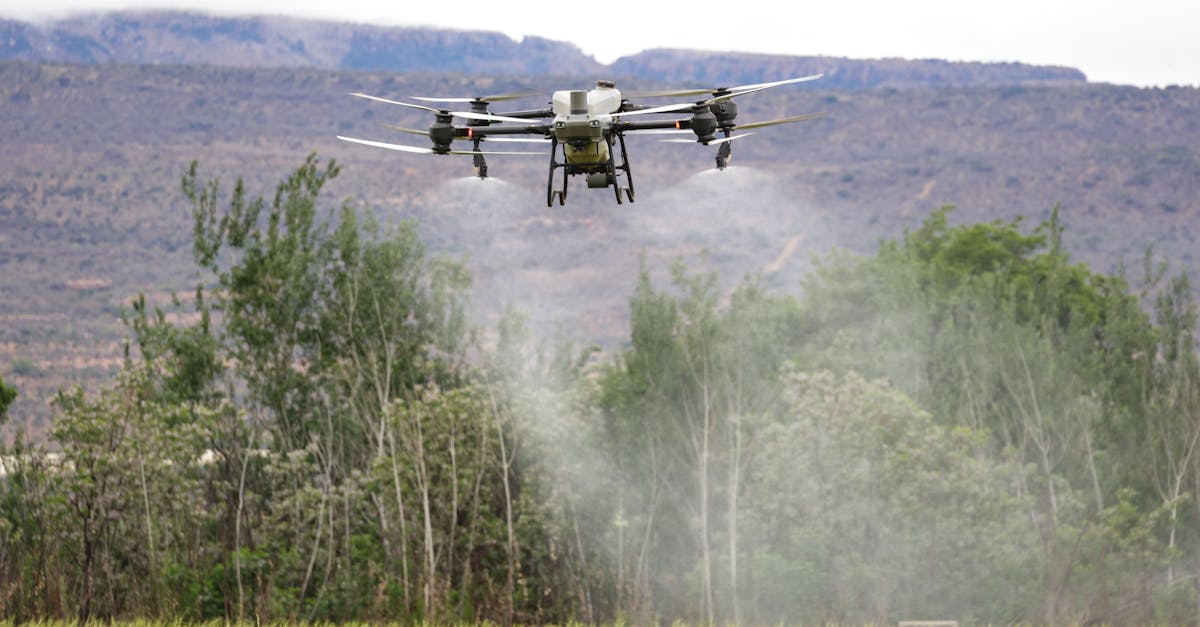
The State of Agri-Drones in India
The Indian agricultural landscape is undergoing a technological shift, driven by severe labor shortages and the urgent need for precision application of inputs. Agricultural drones, often termed as Agri-drones, are no longer speculative concepts but operational tools deployed across Punjab, Haryana, and Maharashtra. However, the market is a complex mix of imported hardware and nascent domestic manufacturing. This analysis grades hardware availability, pilot deployments, and manufacturer claims without resorting to marketing hyperbole. The focus remains on shipping hardware, verified pilot data, and regulatory frameworks rather than announcements.
India represents one of the largest potential markets for agricultural drones globally. The Department of Agriculture has identified drones as a key tool for increasing crop yield and reducing chemical waste. Yet, the gap between policy intent and ground reality remains significant. Many startups announce capabilities that are not yet reflected in mass adoption metrics. To understand the true state of the market, one must look at the hardware currently flying, the service providers operating fleets, and the costs incurred by the end-user.
The DJI Agras Ecosystem in India
When evaluating the Indian agri-drone market, the DJI Agras series remains the baseline against which local competitors are measured. The DJI Agras T30 is currently the most widely available heavy-lift spraying drone in the country. Manufactured in China, the T30 features a 30-liter liquid tank and a maximum spray width of 6 meters. According to official DJI specifications, the system achieves a spray rate of up to 10 liters per minute, allowing it to cover approximately 100 acres per day under optimal conditions. This throughput rate is the standard benchmark for commercial viability.
Availability in India is well-documented. Authorized distributors operate in major agricultural states, offering after-sales support and spare parts. The retail price for a DJI Agras T30 package, including the controller, battery, and charger, typically lands between ₹18 lakhs and ₹22 lakhs. This estimate includes the Goods and Services Tax (GST) and customs duties applicable to electronics imported from China. While the hardware is robust, the total cost of ownership extends beyond the purchase price. Operators must account for battery cycle replacements, calibration sensors, and the mandatory flight licenses required by the Directorate General of Civil Aviation (DGCA).
Recent updates to the T30 series include improved RTK positioning modules that reduce positional drift during flight. This is critical in areas with tall crops where manual GPS reception might be compromised. Despite these advancements, the proprietary nature of DJI’s software ecosystem limits integration with third-party farm management software. Users are locked into the DJI Pilot 2 App for flight data and mission planning. The newer T40 model has been introduced in select markets, offering a 40-liter tank capacity, but widespread availability in India is still ramping up compared to the T30.
The economic viability of the DJI Agras depends heavily on the service provider’s utilization rate. A drone sitting idle for three months a year due to the monsoon or harvest cycles affects the return on investment. Maintenance costs, including motor replacements and propeller damage, can average 5% of the asset value annually. This operational expenditure must be factored into the service pricing charged to farmers.
Garuda Aerospace and Domestic Manufacturing
Garuda Aerospace represents the leading edge of India-based drone manufacturing. The company has moved beyond concept phases to shipping hardware. Their primary agri-drone offering, the SkySleeper S1, is designed for payload delivery and agricultural spraying. Unlike the DJI Agras, which is a direct import, the SkySleeper is assembled in India, qualifying for specific benefits under the Production Linked Incentive (PLI) scheme. This domestic manufacturing status provides a competitive edge in terms of supply chain resilience and potential government procurement.
Garuda’s operational model focuses on a "Drone-as-a-Service" (DaaS) approach rather than direct hardware sales to individual farmers. This model reduces the capital expenditure barrier for smallholder farmers. They have deployed fleets in states like Karnataka and Tamil Nadu for crop monitoring and spraying. The company claims a service coverage of over 50,000 acres in pilot programs, though independent verification of these figures varies across different regions. The focus is on reliability and repeatability of spray patterns rather than just flight time.
The pricing for Garuda’s agri-drones is not always transparent in public press releases. However, industry estimates suggest that a fully equipped unit for DaaS operation costs approximately ₹12 lakhs to ₹15 lakhs. This lower entry cost compared to imported counterparts is a significant competitive advantage. However, the supply chain for critical components like propulsion systems remains largely reliant on global suppliers. This dependency creates a risk for long-term maintenance if geopolitical tensions impact component availability.
Other Indian startups, such as IdeaForge and Manned, are also entering the space. IdeaForge has focused primarily on defense applications but has pivoted some capacity to agriculture. Their drones prioritize security features over payload capacity. For pure agricultural utility, Garuda remains the most prominent commercial candidate with verified field data. The distinction between a prototype shown at an event and a unit operating in a field remains a critical differentiator in this sector.
Regulatory Framework and DGCA Compliance
The regulatory environment in India is the single biggest determinant of market growth. The Ministry of Civil Aviation’s Digital Sky Platform requires all drones used for spraying to be registered. Operators must obtain a Unique Identification Number (UIN) for the drone and a specific flight permission for each mission. This regulatory framework was designed to ensure safety and security, but it introduces administrative overhead for service providers.
Recent regulations under the Remotely Piloted Aircraft (RPA) Rules, 2021, classify spraying drones under specific categories requiring no-fly zone checks. Farmers cannot simply buy a drone and spray; they must operate through certified drone service providers (DSPs). This regulation aims to prevent accidental damage to crops and ensure safe operation near populated areas. The certification process requires technical competency and proof of insurance, adding layers of complexity to the business model.
Compliance costs are often overlooked in initial budgeting. The cost of obtaining licenses and ensuring insurance coverage adds approximately 15% to the operational cost of a drone service. Without compliance, the risk of groundings or fines by local authorities remains high. The DGCA has been strict regarding the no-fly zones near airports and defense installations, which covers a large portion of prime agricultural land in states like Uttar Pradesh and Punjab. Service providers must maintain digital logs of every flight, which requires a robust software infrastructure.
The Ministry of Agriculture and Farmers Welfare has also issued guidelines for subsidy disbursement. Drones must be registered under the PM-KUSUM scheme to qualify for financial aid. This creates a linkage between the regulatory framework and the economic viability. If a drone is not compliant with DGCA standards, it cannot access government subsidies, effectively raising the landed cost for the end-user.
Economic Viability and ROI
The economic argument for agri-drones relies on the reduction of input waste and labor costs. Manual spraying requires significant physical labor and often results in uneven coverage. Drones reduce chemical usage by an estimated 30% due to precision application. For a farmer cultivating 10 acres, the savings on pesticides can offset a portion of the spraying service fee. This value proposition is strongest in high-value crops like cotton and sugarcane.
Service charges for drone spraying in India typically range from ₹500 to ₹800 per acre. In comparison, manual spraying can cost ₹1,000 per acre when labor availability is factored in. The ROI period for a service provider depends on utilization rates. A drone operating 100 acres per month can break even on a ₹20 lakh asset within two years. However, seasonal variation in farming cycles means drones may remain idle for four to five months annually.
Government subsidies under the PM-KUSUM scheme and the Central Scheme for Assistance to Farmers for Drone Technology provide financial support. The subsidy covers up to 50% of the cost of drones for farmers, making the ₹18 lakh price point of the DJI Agras significantly more accessible at ₹9 lakhs. Despite this, uptake has been slower than projected due to infrastructure gaps and awareness levels among rural populations.
Maintenance costs are a recurring expense that impacts long-term ROI. Battery degradation is a primary concern; lithium-polymer batteries lose capacity over time and require replacement every 300 to 400 cycles. For a high-utilization fleet, this means replacing batteries every 12 to 18 months. Operators must factor this into their service pricing to ensure profitability over the asset lifespan.
Conclusion
The agricultural drone sector in India is transitioning from pilot projects to commercial viability. DJI Agras hardware is established and supported, while Garuda Aerospace offers a viable domestic alternative. Regulatory compliance remains a hurdle, but the framework is stabilizing. The hardware is shipping, but the software ecosystem and service networks need further maturation. Investors and operators should prioritize verified flight data over marketing announcements. The focus must remain on the landed cost, service availability, and regulatory adherence to ensure sustainable growth.
✓ Key takeaways
- •Hands-on view of Grounded in Reality: A Review of India's Agricultural Drone Market inside our Agricultural Drones library.
- •Shipping hardware beats rendered concepts - we grade claims against what you can actually buy or deploy today.
- •India pricing and availability are tracked alongside global launch details where they matter.
References
Related articles
More in Agricultural Drones →