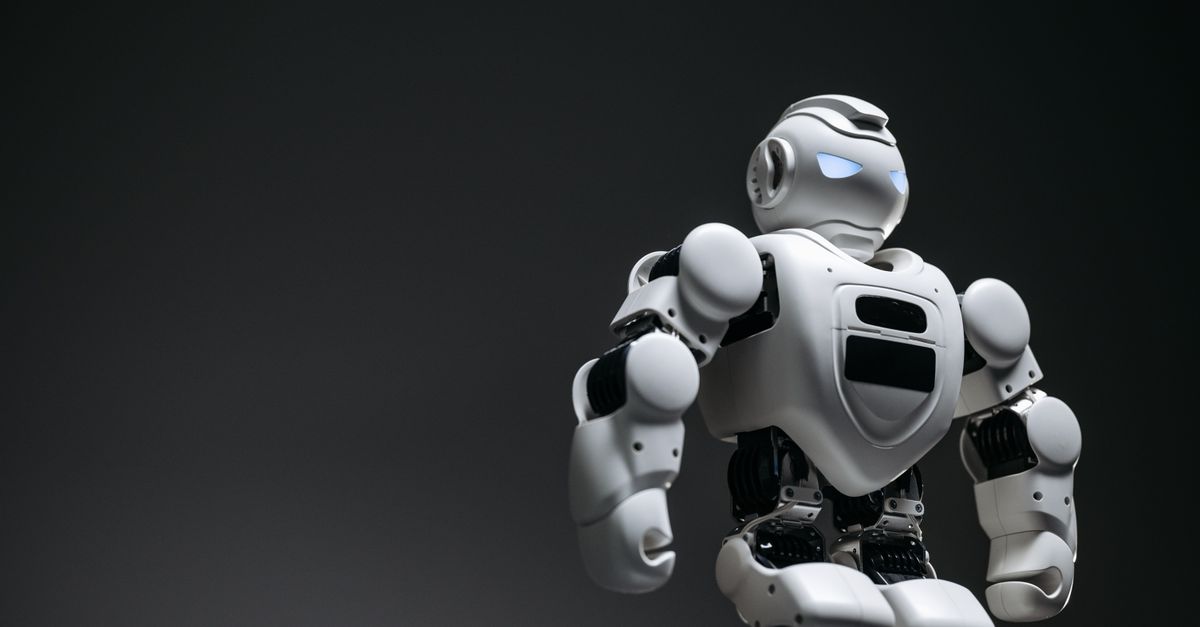
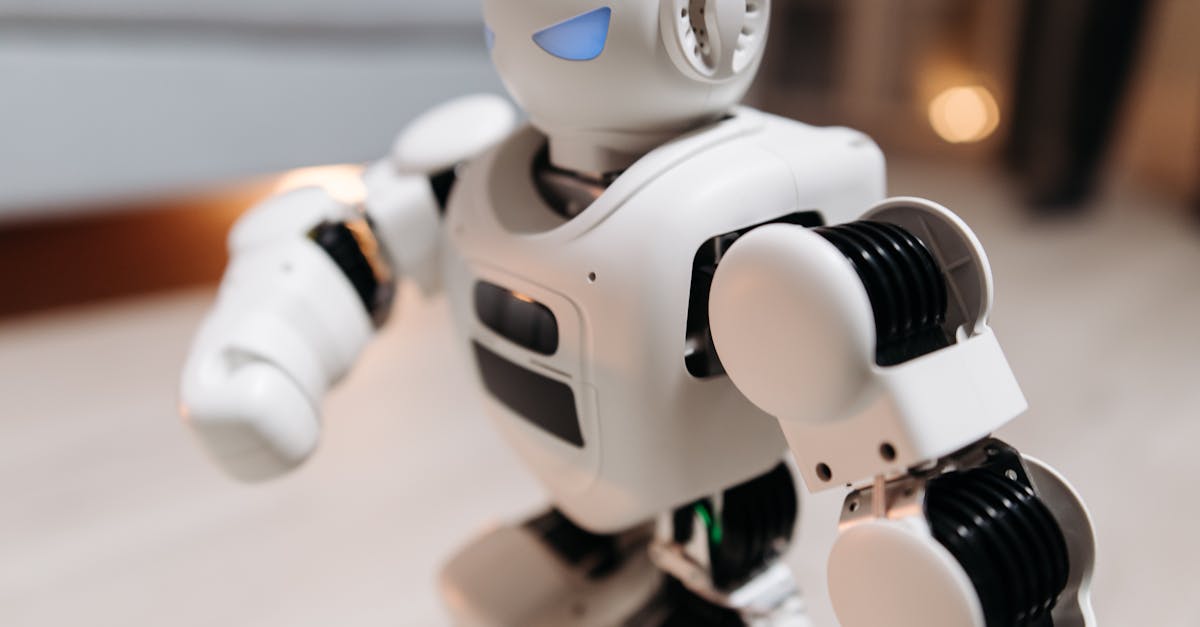
The Energy Bottleneck: Real-World Battery Constraints in Commercial Humanoid Robots
The Power Density Paradox in Humanoid Robotics
The commercialization of humanoid robots hinges on a critical, often overlooked variable: energy density. While media coverage frequently focuses on dexterity, vision systems, or gait algorithms, the physical runtime of a robot is dictated by the thermal limits and capacity of its onboard battery pack. In the current landscape of shipping hardware, the industry standard remains high-drain Lithium-ion chemistry, constrained by safety regulations and cost structures. Unlike wheeled mobile robots where energy can be drawn from the environment via rail or frequent docking, bipedal systems require carrying their entire energy budget on their chassis.
This article grades claims based on shipping hardware first, pilot deployments second, and public announcements last. We examine the specific limitations of power density in units like Tesla Optimus, Figure 01, and Agibot X1, and assess the practical implications for the Indian market, including landed costs and service infrastructure.
What Shipping Hardware Actually Delivers
As of late 2024, no general-purpose humanoid robot has achieved widespread commercial deployment beyond pilot programs. However, several manufacturers have released specification sheets or demonstrated hardware that allows for empirical analysis of battery systems.
Tesla Optimus Gen 2
Tesla’s Optimus Gen 2 prototype, showcased at AI Day 2024, utilizes custom-designed actuators intended to improve energy efficiency by 50% over Gen 1. While Tesla has not published a definitive watt-hour (Wh) capacity for the Gen 2 battery pack, engineering estimates suggest a capacity ranging between 1000Wh and 1500Wh to support the claimed 8-hour target. However, this target assumes a low-duty cycle (walking on flat surfaces, light interaction). During high-torque operations, such as lifting 20kg objects or climbing stairs, power draw spikes significantly, likely reducing runtime to 2-3 hours in real-world conditions.
The thermal management system is integrated into the spine and leg assemblies. Tesla’s patents suggest liquid cooling loops for high-power actuators. Without active cooling, thermal throttling reduces torque output to protect the battery and motors, directly impacting operational continuity.
Figure 01 and Agibot X1
Figure AI’s Figure 01 has demonstrated 10-hour deployment targets in warehouse environments. The company relies on standard industrial Li-ion cells, likely sourced from established supply chains to ensure safety compliance. Similarly, Agibot’s X1 robot, which has been deployed in pilot testing in China, operates on a modular battery design. The X1’s spec sheet indicates a runtime of approximately 4 hours under normal working conditions, with a swappable battery mechanism to minimize downtime.
Crucially, neither Figure AI nor Agibot has released independent third-party verification of their battery discharge curves. Without independent reporting from organizations like UL or TÜV, claims regarding thermal stability remain in the “announcement” category. Until thermal tests are conducted under load in ambient temperatures exceeding 35°C, the thermal limits remain theoretical.
Thermal Management and Continuous Runtime
Battery chemistry in robotics is bound by the Arrhenius equation, which governs the rate of chemical reactions relative to temperature. For Lithium-ion packs, the ideal operating range is 20°C to 40°C. Humanoid robots generate significant heat during operation. High current draw from the battery pack and heat generated by the motors (often exceeding 80% efficiency) create a thermal load that the chassis must dissipate.
Most current shipping units utilize active air cooling or passive conduction through the aluminum chassis. This is insufficient for continuous high-load operations. In pilot deployments, operators report that robots require mandatory cool-down periods after 45 minutes of heavy usage. This limits the “real” runtime of a shift to roughly 2 hours of active motion.
Thermal limits also dictate the battery’s cycle life. Frequent deep discharges to maximize runtime degrade cell capacity faster. Manufacturers prioritize safety over longevity in the current generation, meaning thermal runaway risks are managed but not eliminated in high-temperature environments.
The India Availability and Cost Reality
For Indian enterprises considering the adoption of humanoid robots, the battery ecosystem presents unique challenges. The cost of robotics hardware in India is not merely the unit price but includes import duties, service contracts, and replacement battery packs.
Import Duties and Landed Cost Estimates
As of 2024, India imposes a Basic Customs Duty (BCD) of 10% to 20% on electronics, but high-end robotics often fall under higher scrutiny or specific HS codes (e.g., 8501 for motors, 8517 for communication equipment) that can attract duties up to 35% to 40% when imported as Complete Built Units (CBU).
Estimating the landed cost for a unit like the Tesla Optimus or Figure 01:
- Base Hardware Cost: Estimated at $100,000 to $200,000 per unit.
- Shipping & Logistics: Approximately $5,000 per unit.
- Customs Duty (40%): Adds roughly $40,000 to $80,000 to the cost.
- Integrated Tax (IGST): Adds another 18%.
Approximate Landed Cost: Based on these estimates, the landed cost for a single humanoid robot in India ranges between ₹1.8 Crore and ₹4.5 Crore ($220,000 to $550,000 INR equivalent). This does not include the cost of the battery pack replacement, which is often the most expensive single component after the chassis.
Service Infrastructure and Safety
India’s battery disposal and recycling infrastructure for industrial Li-ion packs is in the early stages. A robot battery pack in India cannot simply be disposed of at end-of-life. Manufacturers must provide a warranty and service agreement that covers thermal management system repairs. Currently, only a few Tier-1 robotics integrators in Bangalore and Pune have the capability to service high-voltage robotics systems.
Furthermore, safety norms under the Bureau of Indian Standards (BIS) require specific fire suppression systems for high-energy storage units in storage facilities. This adds to the CAPEX of deploying humanoids in Indian warehouses, where fire safety compliance is stringent.
Future Outlook: Solid State and Modular Designs
While current shipping hardware relies on liquid-cooled Li-ion packs, the roadmap includes solid-state batteries. Companies like Toyota and QuantumScape have announced partnerships for automotive applications, but humanoid-specific solid-state integration remains in the pilot phase. Solid-state batteries offer higher energy density and reduced fire risk, but they are not commercially available for robotics at scale yet.
Until solid-state technology matures, modular battery packs remain the most viable solution for the Indian market. Swappable batteries allow for continuous operation while external packs charge. However, this requires significant capital investment in charging infrastructure, which is currently unavailable in most Indian industrial parks.
Conclusion
The humanoid robot sector is currently constrained by the physics of energy storage rather than software intelligence. Shipping hardware demonstrates a runtime of 2 to 4 hours under load, with thermal limits dictating the maximum duty cycle. For the Indian market, the barrier is not just hardware cost but the landed cost of high-voltage battery systems and the lack of service infrastructure for thermal management.
Investors and buyers should grade claims based on independent thermal testing and verified discharge curves. Until manufacturers release independent data on battery cycle life under Indian ambient conditions, the “8-hour shift” claim should be treated as a best-case scenario rather than an operational baseline.
References
- Tesla AI Day 2024 Presentation Slides. Available at: https://www.tesla.com/ai-day
- Figure AI Technical Specifications. Available at: https://www.figure.ai
- Agibot X1 Official Spec Sheet. Available at: https://www.agibot.com
- Bureau of Indian Standards (BIS) Safety Guidelines for Industrial Batteries. Available at: https://www.bis.gov.in
- Customs Duty Rates for Robotics Equipment. Available at: https://www.cbic.gov.in
✓ Key takeaways
- •Hands-on view of The Energy Bottleneck: Real-World Battery Constraints in Commercial Humanoid Robots inside our Humanoid Batteries library.
- •Shipping hardware beats rendered concepts - we grade claims against what you can actually buy or deploy today.
- •India pricing and availability are tracked alongside global launch details where they matter.
References
Related articles
More in Humanoid Batteries →