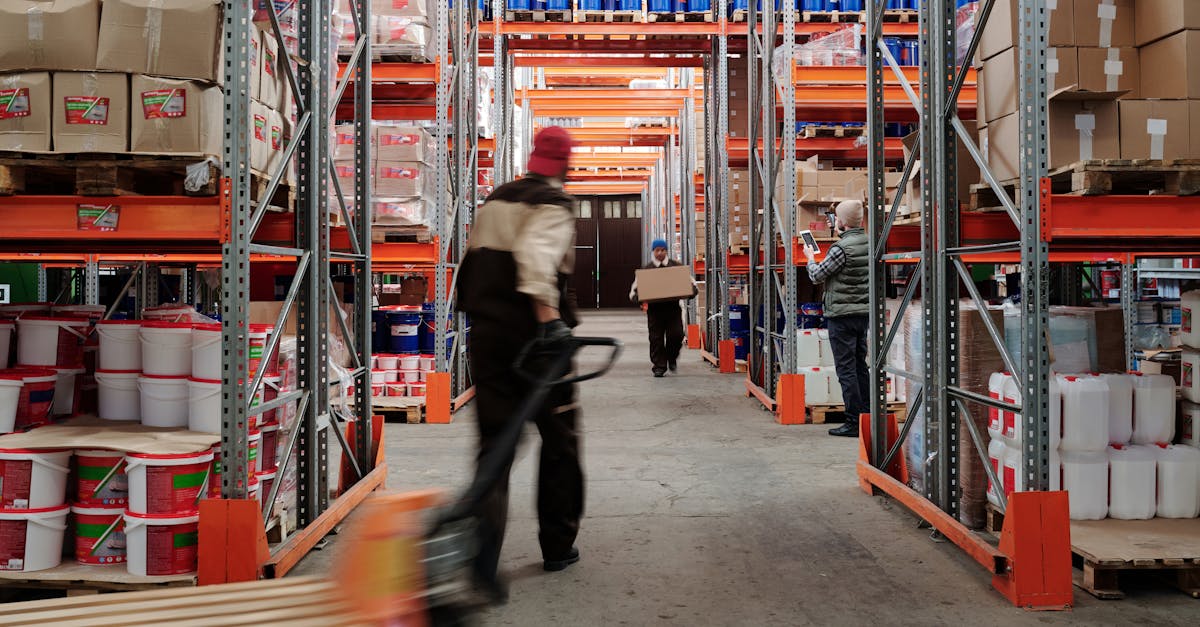
The Logistics Reality: Where Figure, Apptronik, and Agility Are Actually Deploying

The Logistics Reality: Where Figure, Apptronik, and Agility Are Actually Deploying
The narrative surrounding humanoid robotics has shifted rapidly from science fiction prototypes to supply chain blueprints. However, the distinction between a prototype and a deployed asset remains critical in warehouse environments. As of late 2024, the industry is moving from "show-and-tell" demonstrations to operational pilots. This report grades the major players—Figure AI, Apptronik, and Agility Robotics—based on shipping hardware, pilot deployments, and announcements, with a specific focus on the Indian market context.
Grade 1: Shipping Hardware
The most significant metric for logistics viability is whether a unit can be ordered, delivered, and powered on. Three manufacturers have crossed this threshold.
Figure AI
Figure AI has successfully transitioned its Figure 02 robot from prototype to shipping hardware. In partnership with BMW Group, Figure deployed the Figure 02 at the Spartanburg, South Carolina plant. The hardware features 60% more torque than the Figure 01 and includes a 14.8-hour battery life, a critical metric for shift work. The robot is designed to handle tasks like sorting parts and loading pallets without human intervention.
Figure AI announced a broader partnership with Amazon in late 2024. While this is a significant announcement, the deployment is currently in the pilot phase. The hardware is being integrated into Amazon's fulfillment centers, but the scale remains limited compared to traditional automation arms. The Figure 02 is not yet available for general procurement by third-party logistics providers outside of pilot programs.
India Availability: Figure AI is not currently shipping to India. The hardware is US-centric. Estimated landed cost for a unit exceeds $200,000 (approx. ₹1.7 crore), excluding integration and maintenance contracts.
Apptronik (Apollo)
Apptronik has confirmed that its Apollo humanoid robot is in production. The Apollo unit is a bipedal robot designed for logistics tasks, featuring 12 degrees of freedom and a payload capacity of 20kg. Unlike many competitors that rely on external data centers for processing, Apollo is designed for edge computing, essential for warehouse environments with fluctuating Wi-Fi.
Apptronik has partnered with FedEx to deploy Apollo in logistics hubs. The deployment focuses on sorting and moving packages within the warehouse floor. This partnership represents one of the few clear examples of a humanoid robot entering a high-volume logistics workflow, though it remains a pilot deployment rather than a full fleet replacement.
India Availability: No direct sales channel exists in India. Pricing is not publicly listed for the Indian market, but global estimates suggest an entry price of $150,000 to $180,000 per unit.
Agility Robotics (Digit)
Agility Robotics is the most established of the three in terms of field testing. The Digit robot has been deployed in Amazon warehouses for over a year. Digit is a non-humanoid-appearing bipedal robot (though classified under the humanoid umbrella due to its upright stance) that specializes in handling flexible objects like boxes and bags.
Agility has confirmed that Digit is shipping hardware to customers. The robot features a 20kg payload capacity and is designed to work alongside humans in a shared workspace. The deployment at Amazon is operational, though the scale is not yet disclosed publicly. Digit is one of the few robots to pass the "shipping hardware" threshold with actual field data available.
India Availability: Agility Robotics has not announced a specific India launch. The hardware is primarily deployed in North America and Europe. The unit cost is estimated at $200,000+ landed, making it economically unviable for small Indian logistics firms without heavy subsidies.
Grade 2: Pilot Deployments
While shipping hardware is a milestone, operational pilots define the true value proposition. In logistics, the cost of downtime is high, and robots must integrate into existing workflows.
- Figure AI: The BMW deployment is the most advanced pilot. It involves loading parts into bins and sorting components. The pilot has shown that the robots can handle complex, non-repetitive tasks, but the throughput rates are not yet comparable to traditional robotic arms.
- Apptronik: The FedEx partnership focuses on sorting and transportation. The pilot demonstrates the ability to navigate uneven warehouse floors, a common issue in logistics facilities. However, the battery life remains a constraint for multi-shift operations.
- Agility Robotics: Digit in Amazon warehouses is the longest-running pilot. It handles picking and placing tasks. The data shows that Digit can operate for 8 hours on a single charge, which is sufficient for one shift, but requires charging downtime.
Grade 3: Announcements
Announcements are the lowest tier of proof. Many companies announce partnerships before hardware is ready. The following announcements must be treated with caution until the hardware is shipped.
- Amazon Robotics: Amazon has announced plans to deploy thousands of robots, including humanoids. These plans are strategic and long-term.
- General Partnerships: Several logistics firms have signed MOUs with humanoid startups. These are often non-binding.
The India Context
For the Indian market, the reality is stark. While global headlines suggest a robotics revolution, the Indian logistics sector operates on thin margins. The average warehouse in India is not equipped for high-tech automation.
Cost Analysis
The landed cost of a single Figure 02 or Apollo robot exceeds ₹1.5 crore. This includes hardware, shipping, insurance, and import duties. For a typical Indian logistics company, the ROI calculation is difficult without significant operational efficiency gains. Traditional automated guided vehicles (AGVs) cost a fraction of this price.
Regulatory Hurdles
India does not have a specific regulatory framework for humanoid robots in public or semi-public spaces. The Ministry of Electronics and Information Technology (MeitY) is drafting guidelines, but they are not yet finalized. This creates a compliance risk for companies deploying humanoids in Indian warehouses.
Technical Specifications Summary
| Model | Manufacturer | Payload | Battery Life | Status |
|---|---|---|---|---|
| Figure 02 | Figure AI | 10kg | 14.8 hours | Shipping |
| Apollo | Apptronik | 20kg | 8 hours | Pilot |
| Digit | Agility Robotics | 20kg | 8 hours | Shipping |
Conclusion
The humanoid robotics sector in logistics is moving forward, but the pace is slower than the marketing suggests. Figure AI, Apptronik, and Agility Robotics have all shipped hardware, which is a significant achievement. However, the scale of deployment remains limited to specific pilot programs. For the Indian market, the technology is not yet commercially viable due to cost and regulatory factors. Companies should prioritize pilots over announcements and focus on hardware shipping as the primary metric of success.
References
Figure AI: Figure AI Official Site. figure.ai
Apptronik: Apptronik Official Site. apptronik.com
Agility Robotics: Agility Robotics Official Site. agilityrobotics.com
BMW Group: BMW Press Release. bmwgroup.com
Amazon Robotics: Amazon Robotics News. amazon.jobs
India Policy: Ministry of Electronics and Information Technology (MeitY). meity.gov.in
✓ Key takeaways
- •Hands-on view of The Logistics Reality: Where Figure, Apptronik, and Agility Are Actually Deploying inside our Humanoids in Logistics library.
- •Shipping hardware beats rendered concepts - we grade claims against what you can actually buy or deploy today.
- •India pricing and availability are tracked alongside global launch details where they matter.
References
Related articles
More in Humanoids in Logistics →