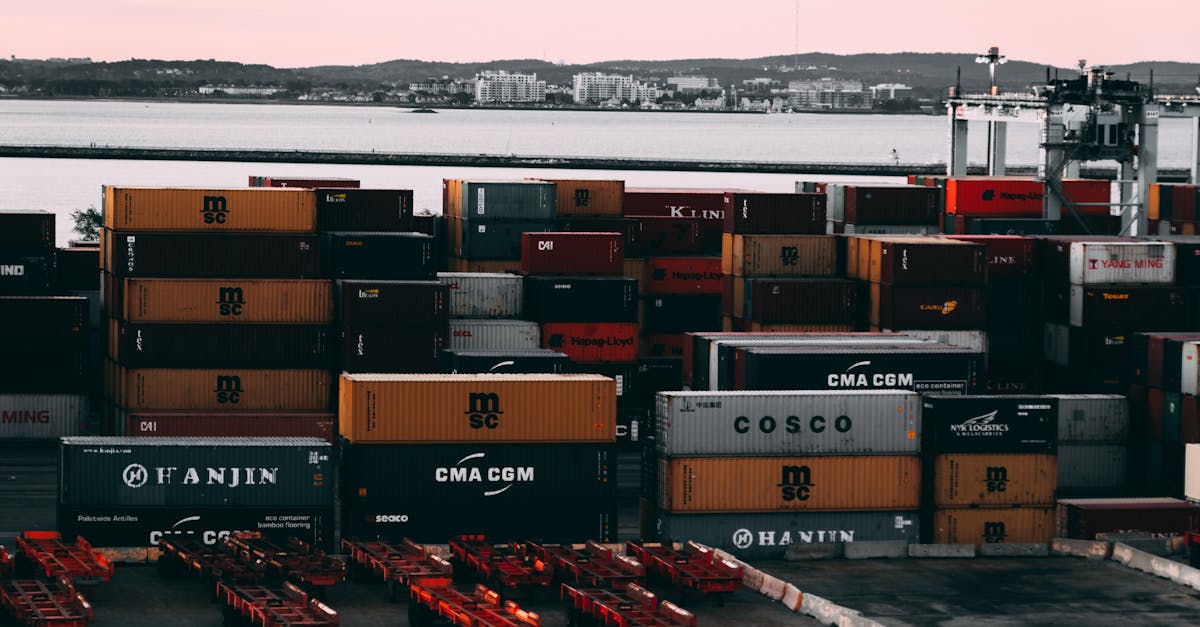
Navigating Indian Customs for Humanoid Robot Imports: Duties, GST, and Compliance

Introduction: The Gap Between Availability and Delivery
As the humanoid robotics sector transitions from concept demonstrations to pilot deployments, the question of physical availability in India remains a primary constraint. While manufacturers like Tesla, Figure AI, and Apptronik have announced prototypes and limited beta programs, the journey from a factory floor in California or a pilot site in the United States to a warehouse in Pune or Bengaluru involves complex regulatory navigation. For Indian enterprises, government bodies, and research institutions, understanding the Import & Customs framework is not merely administrative—it is a critical financial and operational decision.
This article provides a grounded assessment of the costs, duties, and compliance requirements for importing humanoid robots into India. It prioritizes shipping hardware and pilot deployments over press announcements, ensuring that the financial estimates reflect the reality of landed costs rather than theoretical market entry.
The Regulatory Landscape: HS Codes and Classification
The first step in any import process is the correct classification of goods under the Harmonized System (HS) of Nomenclature. Humanoid robots do not have a single, universally agreed-upon HS code in the Indian Customs Tariff Act, which often leads to classification disputes.
Identifying the Correct HTS Code
Most humanoid robots fall under Chapter 84, which covers machinery and mechanical appliances. The specific code often utilized is 8479.89 (Other machines and mechanical appliances having individual functions, not specified or included elsewhere). However, if the robot is classified as a "robotic arm" or industrial manipulator, it may fall under 8465 or 8479.
Classifying a general-purpose humanoid as a "machine tool" versus a "service robot" can alter the duty rate significantly. Historically, industrial robots have been subject to a Basic Customs Duty (BCD) of 10% to 15%. However, recent budget announcements have occasionally adjusted these rates to encourage local manufacturing (e.g., the PLI scheme incentives). For a general-purpose humanoid intended for services rather than heavy manufacturing, the BCD may still hover around the 10-15% range, subject to the latest Budget notification.
Taxation Structure: GST and Basic Customs Duty
Once the HS code is determined, the tax liability is calculated in layers. Importing a humanoid robot into India involves a cumulative tax structure that significantly increases the landed cost.
Basic Customs Duty (BCD)
BCD is levied on the CIF (Cost, Insurance, and Freight) value of the goods. While the standard rate for many industrial machines is 10%, specific notifications can raise this to 15% or 20% to protect domestic manufacturing interests. For high-value robotics, this is a non-negotiable upfront cost paid to the Customs Department upon clearance.
Integrated GST (IGST)
Since imports are inter-state transactions, IGST is applicable. The standard GST rate for machinery and mechanical appliances is typically 18%. This is calculated on the CIF value plus the BCD.
Calculation Example: If a humanoid robot unit is priced at $100,000 (FOB) with $10,000 in shipping and insurance:
- CIF Value: $110,000
- BCD (10%): $11,000
- Taxable Value for GST: $110,000 + $11,000 = $121,000
- IGST (18%): $21,780
- Total Duty & Tax: $32,780
On a $100,000 hardware unit, the landed cost in India could effectively reach approximately $142,780 before final clearance fees. This represents a roughly 43% increase over the FOB price.
Compliance and Licensing: BIS and DGFT
Beyond taxes, the physical clearance of robotics hardware is subject to stringent compliance requirements. Failure to adhere to these can result in confiscation of goods or heavy penalties.
BIS Certification Requirements
The Bureau of Indian Standards (BIS) mandates certification for many electronic and electrical products under the Compulsory Registration Scheme (CRS). While humanoid robots are a new category, components such as power supplies, battery packs, and electrical safety mechanisms often require BIS compliance.
Furthermore, if the robot is intended for industrial use, it may fall under the Quality Control Orders (QCO). Manufacturers must ensure that the device meets safety standards regarding electrical hazards, electromagnetic compatibility (EMC), and radiation. This is particularly relevant for robots operating in shared spaces with humans.
DGFT and ITC-HS Codes
The Directorate General of Foreign Trade (DGFT) manages the Import Export Code (IEC). Any entity importing robots must hold a valid IEC. Additionally, the Importer Exporter Code (IEC) must be linked to the PAN card.
Imports are also subject to the ITC-HS (Import Trade Control) list. While robots are generally not on the Prohibited list, they may be on the Restricted list requiring additional licenses from the Department of Industrial Policy and Promotion (DIPP) or other specific ministries if they involve sensitive technology (e.g., advanced AI modules that might overlap with defense technology).
Logistics and Cost Estimates
The physical movement of humanoid robots involves more than standard freight. Due to the size, weight, and fragility of the hardware, specialized logistics are required.
Freight and Insurance
Humanoid robots often exceed standard cargo dimensions. Shipping costs can range from $5,000 to $25,000 depending on whether the unit is air freight or sea freight. Given the sensitive nature of the electronics (actuators, sensors, batteries), marine insurance must cover "All Risks" including theft, damage, and water damage.
Clearance Agents and Handling
Importing hardware typically requires a Custom House Agent (CHA). A CHA fee is usually around 0.5% to 1% of the CIF value. Additionally, if the robot is classified as a "project import" (for research or pilot deployment), it may qualify for a 5% BCD exemption under specific schemes, but this requires extensive documentation proving the non-commercial use of the hardware.
Current Market Availability and Real-World Constraints
As of late 2024, the availability of shipping hardware to India remains limited. While Tesla's Optimus, Figure AI's Figure 01, and Apptronik's Apollo have been demonstrated, mass commercial shipment to India is not yet a finalized reality.
Tesla Optimus
Tesla has not officially announced a pricing structure for the Indian market. Estimates for a commercial Optimus unit range from $20,000 to $100,000 depending on configuration. However, the robot is currently in the beta testing phase primarily in the US. Importing a beta unit for testing in India would likely require a C-17 or C-19 license for testing purposes, which restricts resale.
Apptronik and Pilot Deployments
Apptronik has focused heavily on logistics and warehouse automation. While they have partnerships in North America and the Middle East, their official channel partners in India are not yet listed on their public website. Importers looking to bring Apptronik units must contact the manufacturer directly for a Letter of Authorization (LOA).
Land Price Estimates
For a commercial unit priced at $50,000 (approx. INR 42 Lakhs), the landed cost calculation based on the 18% GST and 10% BCD structure would look like this:
- Hardware Cost: $50,000
- Shipping/Insurance: $5,000
- BCD (10%): $5,500
- IGST (18%): $10,287
- Estimated Landed Cost: ~$70,787 (Approx. INR 59 Lakhs)
These estimates exclude the cost of local integration, which is necessary to ensure the robot complies with Indian electrical safety standards and network regulations (IMEI/5G). Local integration costs can add another 15-20% to the total project cost.
Conclusion: Strategic Procurement for the Indian Market
The path to importing humanoid robots into India is clear in terms of regulation, but the commercial availability remains a bottleneck. For organizations planning to procure these systems, the following steps are essential:
- Verify HS Code: Confirm the classification with a customs broker to avoid BCD spikes.
- Check DGFT Restrictions: Ensure no technology transfer restrictions apply to the specific AI models or hardware.
- Budget for Landed Cost: Allocate an additional 40-50% over the FOB price to cover duties, taxes, and logistics.
- Pilot Licensing: Consider importing under "Project Import" schemes if the hardware is for R&D, which reduces BCD.
Until manufacturers establish local service centers and authorized channel partners in India, the "Import & Customs" category remains the primary gateway for robotic hardware. The government's focus on "Atmanirbhar Bharat" (Self-Reliant India) suggests that while imports are permitted, long-term growth will likely favor local assembly and manufacturing, potentially altering these duty rates in the coming fiscal years.
References and Further Reading
For the most accurate and up-to-date tariff schedules, stakeholders should consult the official sources below. The figures cited in this article are based on current CBIC notifications and standard industry rates as of late 2024.
Official Regulatory Bodies
- Central Board of Indirect Taxes and Customs (CBIC): cbic.gov.in
- Directorate General of Foreign Trade (DGFT): dgft.gov.in
- Bureau of Indian Standards (BIS): bis.gov.in
Manufacturer Sources
- Tesla Bot (Optimus): tesla.com/optimus
- Apptronik: apptronik.com
✓ Key takeaways
- •Hands-on view of Navigating Indian Customs for Humanoid Robot Imports: Duties, GST, and Compliance inside our Import & Customs library.
- •Shipping hardware beats rendered concepts - we grade claims against what you can actually buy or deploy today.
- •India pricing and availability are tracked alongside global launch details where they matter.
References
Related articles
More in Import & Customs →