Importing Humanoid Robots into India: A Guide to Duties, GST, and Customs Compliance
The Hardware Reality Check: Moving Beyond Concept
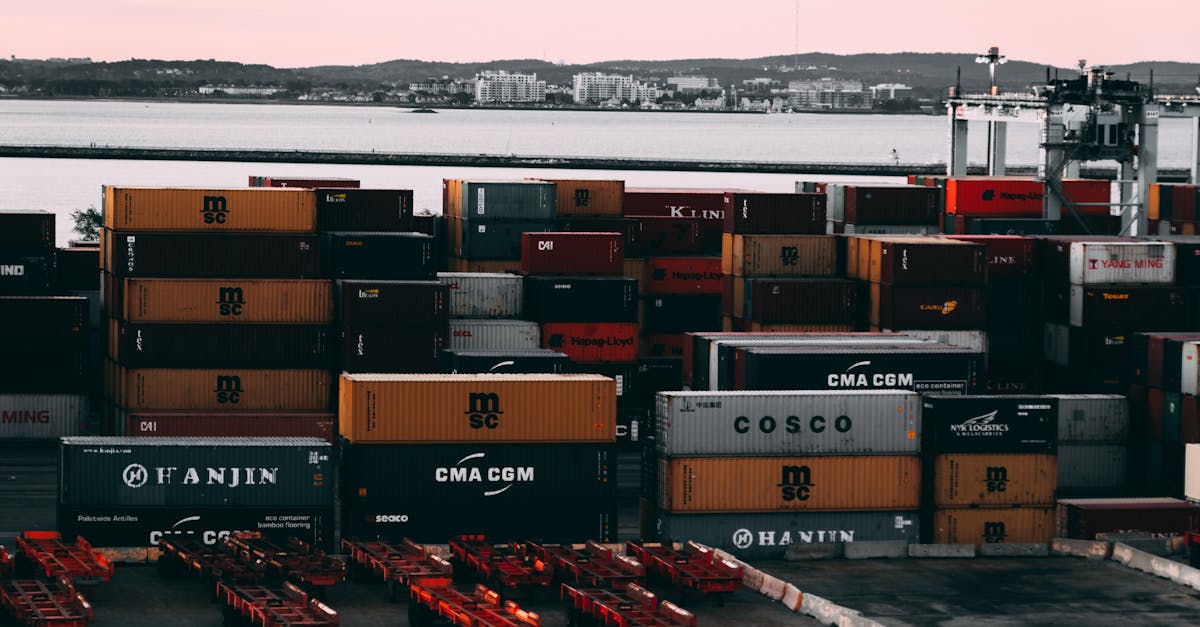
The narrative surrounding humanoid robotics in India has shifted from conceptual announcements to tangible hardware inquiries. While global manufacturers like Tesla, Figure AI, and Boston Dynamics dominate headlines with video demos and capability claims, the practical reality of importing these machines into India involves complex regulatory frameworks that often exceed the technical specifications of the machines themselves. For enterprises, investors, and research institutions in India, the focus must transition from hype to compliance. Importing industrial or service humanoid robots is not merely a logistics exercise; it is a legal and financial procedure governed by the Customs Act of 1962 and various notifications from the Central Board of Indirect Taxes and Customs (CBIC).
This article addresses the critical path for acquiring robotic hardware. We prioritize shipping hardware over pilot deployments and announcements. If a robot cannot clear Indian customs, it cannot enter the supply chain. Therefore, understanding the tariff structure, Goods and Services Tax (GST) implications, and regulatory clearances is essential before engaging with manufacturers.
Understanding HS Codes and Classification
The first step in import planning is the accurate Harmonized System (HS) code classification. There is no single "robot" code. Humanoid robots often fall under multiple categories depending on their primary function. For general-purpose robotic manipulators or walking platforms, the classification often lands under Chapter 84 (Nuclear reactors, boilers, machinery and mechanical appliances).
Specifically, many humanoid robot bodies and actuators are classified under HS Code 8479.89 (Machines and mechanical appliances having individual functions, not specified or included elsewhere in this chapter). However, if the robot is primarily a computing device with robotic limbs, it may be classified under 8471 (Automatic data processing machines). For battery-powered systems, Chapter 85 (Electrical machinery and equipment) may apply.
Incorrect classification can lead to significant penalties or delays at ports like Chennai, Mundra, or Nhava Sheva. Importers must secure a Binding Tariff Information (BTI) ruling from Indian Customs if the classification is ambiguous. For example, a dual-purpose robot used for both data processing and physical manipulation requires careful documentation to justify the primary function, which dictates the duty rate.
Customs Duty and GST: The Cost Structure
Once the HS code is determined, the financial liability becomes clear. India imposes a Basic Customs Duty (BCD) on most imported goods. For machinery and electronic equipment, the BCD typically ranges from 10% to 15% for specific categories, though high-tech automation can sometimes attract higher rates under the "Social Welfare Surcharge".
On top of BCD, the importer must pay an Integrated Goods and Services Tax (IGST). Currently, the IGST rate for machinery and electronic goods is generally 18%. This is calculated on the assessable value, which includes the Cost, Insurance, and Freight (CIF) value of the shipment.
Let us break down a hypothetical landed cost scenario for a humanoid robot unit.
- FOB Price (Free on Board): Assume the manufacturer charges $60,000 USD per unit.
- Shipping & Insurance: Add $5,000 USD for freight to India.
- Assessable Value: $65,000 USD (approx. ₹54 Lakhs at 1 USD = ₹83 INR).
- Basic Customs Duty (BCD): Assuming 10% on machinery = ₹5.4 Lakhs.
- Integrated GST (IGST): 18% on (Assessable Value + BCD) = ₹10.9 Lakhs.
- Total Landed Cost: Approximately ₹70.3 Lakhs per unit, excluding port handling and clearing charges.
This calculation does not include the cost of a Customs House Agent (CHA), which typically charges between ₹50,000 to ₹1,00,000 per shipment. It also excludes the Value Added Tax (VAT) on the service charge of the CHA. Importers must budget for a 30-40% markup on the FOB price when factoring in Indian taxes.
Regulatory Clearances: BIS, WPC, and Safety
Customs clearance is only the first hurdle. Regulatory bodies in India have specific mandates for electronic and electromechanical goods. The Bureau of Indian Standards (BIS) is the primary authority. Under the Compulsory Registration Scheme (CRS), certain categories of electrical and electronic products require BIS certification before they can be imported or sold in India.
While humanoid robots are a nascent category, components such as the power supply units, battery management systems (BMS), and wireless communication modules often fall under mandatory BIS scope. If the robot contains Wi-Fi or Bluetooth modules, the Wireless Planning and Coordination (WPC) wing of the Department of Telecommunications (DoT) requires equipment type approval. Importing non-WPC approved wireless equipment can result in the seizure of the cargo.
Furthermore, safety standards for high-voltage industrial equipment must align with Indian Electricity Rules. If the robot operates on 400V industrial power, it must be compatible with Indian grid frequencies (50Hz) and voltage fluctuations. Manufacturers must provide test reports from ISO-accredited labs in India to satisfy the Safety Standards and ensure the hardware does not violate the Bureau of Indian Standards (BIS) Act, 2016.
Landed Cost Estimates and Pricing Reality
For organizations considering the acquisition of humanoid hardware, understanding the "Landed Cost" is non-negotiable. The term refers to the total price of a product including the original cost, shipping, insurance, customs duties, and taxes.
Currently, no major global humanoid manufacturer (Tesla, Figure, Boston Dynamics) has an official, transparent "Indian Price List." This creates a pricing vacuum where distributors mark up costs significantly to cover logistics risks. However, some manufacturers like Unitree Robotics and Agibot have shown interest in the APAC region. Unitree's H1 and Go2 models are available for export, but the pricing is usually quoted in USD FOB.
For a domestic competitor or a research lab, the landed cost estimate should include:
- FOB Price: Manufacturer base price.
- Freight: Sea freight is cheaper but slower (45 days); Air freight is faster (7 days) but expensive.
- Customs Duty: 10-15% depending on classification.
- IGST: 18% on the cumulative value.
- Port Handling: Terminal Handling Charges (THC) at major ports.
- Clearing Agent Fees: Documentation and filing fees.
Importers should anticipate a total landed cost multiplier of 1.4x to 1.5x the FOB value. For a robot costing $50,000, the final cost in India will likely exceed ₹45 Lakhs. This price point excludes the cost of installation, local integration, and after-sales service contracts.
Vendor Engagement and Distribution Channels
Importing directly from manufacturers is often more expensive for smaller batches than working through authorized Indian distributors. However, authorized distributors for humanoid robots are scarce in India. Most hardware currently enters via third-party trading houses or direct import by large corporate entities (e.g., Tata Motors, Reliance Robotics).
When engaging with a manufacturer, the following terms must be negotiated in the Proforma Invoice:
- Incoterms: Use FOB (Free on Board) or EXW (Ex Works) to gain control over shipping. DDP (Delivered Duty Paid) is rare for high-tech robotics from overseas and often masks the true cost.
- Warranty Coverage: Does the warranty cover shipping back to the OEM? Given the difficulty of repairs, this is critical.
- Software Locks: Ensure the robot firmware is not region-locked to US or EU servers only.
For Indian businesses, the risk of supply chain disruption is high. Lead times for spare parts (servo motors, sensors) can extend to 6 months. Importers must stock critical spares in India to avoid downtime. The CBIC encourages the import of capital goods for manufacturing units, which may allow for a lower duty rate under specific schemes, but this requires proof of industrial usage.
Conclusion: A Strategic Approach to Acquisition
The importation of humanoid robots into India is a high-barrier activity that requires rigorous compliance. The shift from concept to hardware means the focus must move from capability to customs. For the foreseeable future, the Indian market will rely on a mix of direct imports for large-scale industrial deployments and partnerships for smaller deployments.
Organizations must treat the landed cost calculation as the baseline for ROI. A robot that appears affordable at $40,000 may cost ₹60 Lakhs landed. With the current regulatory environment, including BIS certification and WPC approvals, the path is narrow but navigable for serious industrial players. Until a localized manufacturing setup (PLI schemes) matures for robotic hardware, the import route remains the primary method for acquiring this technology.
RobotWale advises all buyers to verify the specific HS code of their intended hardware before signing a purchase order. The difference between Chapter 84 and Chapter 85 can alter the tax liability by thousands of rupees per unit. Due diligence in the clearing process is as vital as the robotics technology itself.
References
For further details on specific duty structures and regulatory clearances, refer to the following official resources:
- CBIC (Central Board of Indirect Taxes and Customs) - cbic.gov.in
- HS Code Finder - India Customs - cbic.gov.in
- Unitree Robotics Official Site - unitree.com
✓ Key takeaways
- •Hands-on view of Importing Humanoid Robots into India: A Guide to Duties, GST, and Customs Compliance inside our Import & Customs library.
- •Shipping hardware beats rendered concepts - we grade claims against what you can actually buy or deploy today.
- •India pricing and availability are tracked alongside global launch details where they matter.
References
Related articles
More in Import & Customs →