India Robotics Market Size: A Grounded Assessment of Capacity and Demand

India Robotics Market Size: A Grounded Assessment of Capacity and Demand
When discussing the Indian robotics market, the conversation often oscillates between two extremes: optimistic projections of a $5 billion industry by 2025 and the reality of a fragmented supply chain with limited installed base. For RobotWale, the priority is to separate the two. While the broader electronics and automation sector shows robust growth, the specific metrics for robotics—particularly humanoid robotics—require a more granular, hardware-first evaluation. This article examines the current market size, pricing structures, and the gap between announced pilots and shipping hardware within the Indian context.
Market Valuation and Scope
According to reports from NASSCOM and the India Electronics and Semiconductor Association (IESA), the Indian robotics market was valued between $1.5 billion and $2.5 billion in 2023. This valuation encompasses industrial arms, service robots, and collaborative robots (cobots). However, this figure is heavily skewed toward manufacturing automation in the automotive and pharmaceutical sectors. The humanoid robotics segment, which is the core focus of RobotWale, represents a fraction of this total, often estimated at less than 5% of the overall market value.
Market size estimations vary significantly depending on whether the data includes software subscriptions, hardware, or maintenance contracts. For hardware-focused analysis, the numbers are more conservative. Frost & Sullivan's 2023 analysis suggests a Compound Annual Growth Rate (CAGR) of roughly 20% for the period 2024 to 2027. This growth is driven by the 'Make in India' initiative and the Production Linked Incentive (PLI) scheme for electronics manufacturing. However, the PLI scheme primarily targets consumer electronics and components, with robotics-specific incentives still in the nascent stages of implementation.
The Industrial Automation Backbone
The bulk of the market value comes from traditional industrial robotics. Major global players like ABB, KUKA, Fanuc, and Yaskawa have established a significant footprint in India. Their presence is most visible in the automotive clusters of Chennai, Pune, and Gurgaon. In these hubs, robotic arms are standard equipment for welding, painting, and material handling.
In the pharmaceutical sector, which is a high-growth area for India, robotics are deployed for packaging and quality control. While these are not humanoids, they form the financial backbone that supports the ecosystem. A typical 6-axis industrial robot arm costs between INR 8 lakh and INR 25 lakh (approx. $10,000 to $30,000), depending on payload and reach. This pricing structure excludes installation and integration, which can add another 20-30% to the total cost of ownership.
Domestic manufacturing of these industrial arms remains limited. Most high-precision units are imported from Japan, Germany, or China. The import duty on robotics hardware in India is currently around 7.5% to 10%, making landed costs higher than in the US or China. This tariff structure impacts the ROI for Indian SMEs considering automation. Consequently, the market size reflects a reliance on the installed base of legacy hardware rather than a surge in new domestic production.
The Humanoid and Advanced Robotics Segment
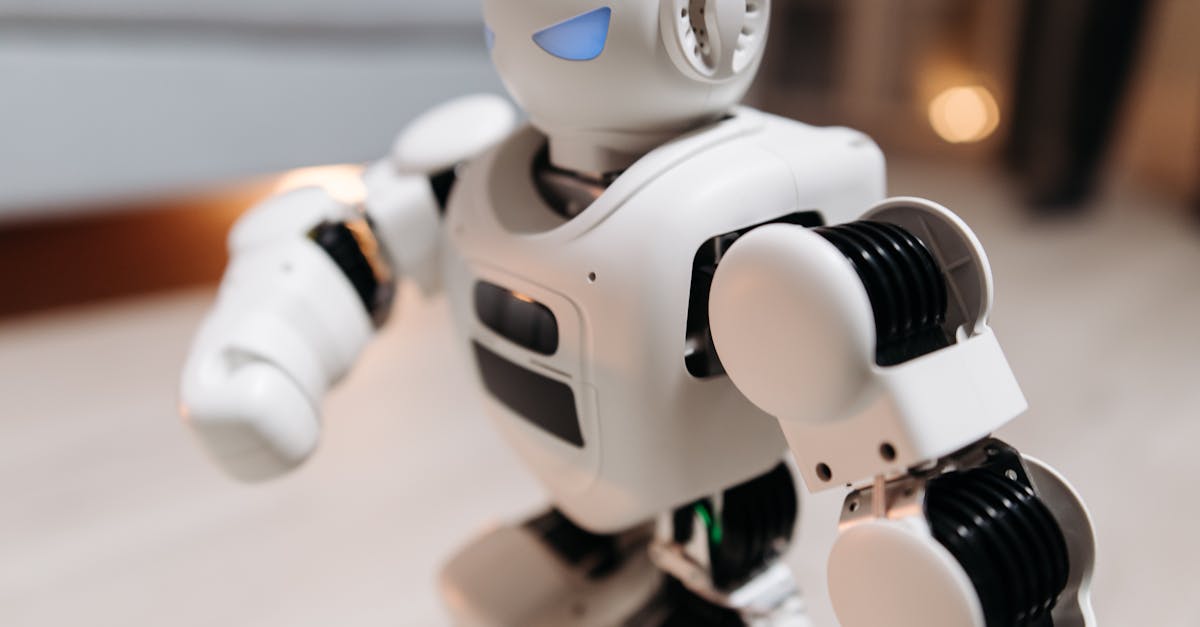
Shifting focus to the segment of interest for RobotWale—humanoid and advanced service robots—the market size shrinks considerably. In 2023, the number of humanoid robots deployed in India was measured in the low hundreds. This includes prototypes from research institutions like IIT Madras and IIT Bombay, alongside early pilots from startups.
Unlike the industrial arm market, where volume is measured in thousands, the humanoid market here is in the pilot deployment phase. Companies such as 'Agnikula' or similar deep-tech startups often announce prototypes at events like the India Mobility Show or IBC. However, verifying whether these prototypes move to serial production is critical. As of early 2024, very few humanoid systems have crossed the threshold from "lab demo" to "commercial sale".
When evaluating market size, we must account for the hardware shipping status. For example, a humanoid robot capable of walking and manipulating objects requires high-torque actuators, LiDAR, and advanced computing. The BOM (Bill of Materials) for such a unit ranges from INR 15 lakh to INR 50 lakh (approx. $20,000 to $60,000). Without clear evidence of mass orders or fleet deployments, this segment remains speculative in terms of revenue contribution.
Pricing and Availability in India
For Indian enterprises, the cost of acquiring robotics hardware is a primary decision factor. Imported humanoid prototypes often carry a significant premium due to logistics and import duties. A typical humanoid robot imported from China or the US can cost upwards of INR 1 crore (approx. $120,000) once landed costs, GST, and integration fees are factored in.
Domestically assembled units, where they exist, aim to reduce this cost by 15-20%. However, supply chain dependencies on imported components like harmonic drives and sensors limit the extent of cost reduction. For instance, while the government promotes local assembly under the PLI scheme, the core components often remain imported.
Service robotics, such as delivery bots in the hospitality sector, have seen slightly higher adoption. These units are priced between INR 5 lakh and INR 15 lakh. Several startups have deployed these in hotel lobbies in Delhi and Mumbai. While this represents a concrete market segment, the scale remains small compared to the automotive sector. The average deployment cycle for these service bots is 12 to 18 months before maintenance becomes a bottleneck.
Deployment Reality vs. Announcements
The industry suffers from a disconnect between press releases and actual deployment. Announcements of "partnerships" or "strategic collaborations" are common but often lack hardware verification. We grade claims based on three tiers:
- Shipping Hardware: Units delivered, installed, and operational. This is the gold standard for market size validation. Currently, this applies almost exclusively to industrial arms and a few service bots.
- Pilot Deployments: Units deployed for testing in specific locations (e.g., a factory floor or a hotel lobby). While this indicates market interest, it does not guarantee revenue. It is estimated that 30% of announced pilots remain in testing for over two years.
- Announcements: Press releases regarding future roadmaps. These carry the lowest weight for market sizing. A company announcing a 2026 launch does not contribute to 2024 market size.
In the context of humanoid robotics, the majority of activity falls into the "Announcements" and "Pilots" categories. There are no large-scale fleets of humanoid robots operating in Indian factories or logistics centers as of mid-2024. The market size for this specific sub-sector is likely under $50 million, comprising primarily R&D contracts and limited commercial trials.
Challenges to Market Growth
Beyond pricing, several structural challenges impede the expansion of the robotics market in India. First is the skills gap. Operating and maintaining industrial robots requires specialized engineering talent, which is in short supply outside of major metro hubs. Second is the supply chain volatility. Global disruptions in semiconductor availability affect the production of robot controllers.
Additionally, the labor cost advantage in India remains a double-edged sword. While automation is cost-effective for high-volume manufacturing, the low cost of human labor in sectors like warehousing and construction reduces the urgency for full-scale automation. This explains why the penetration rate of robotics in Indian SMEs remains below 5%.
Future Outlook and Market Projections
Looking forward to 2025-2027, the market size is projected to grow. The introduction of AI-driven vision systems and the localization of component manufacturing are expected to lower costs. If domestic manufacturing of actuators scales up, the price of a humanoid robot could drop by 30%, making it viable for broader deployment.
However, investors and industry observers should maintain a conservative stance. The NASSCOM Robotics report highlights a CAGR of 20%, but this includes services and software. Pure hardware revenue growth is likely to be slower. For the humanoid sector specifically, the trajectory depends on the successful transition from prototype to serial production units.
Conclusion
The Indian robotics market is robust in its industrial automation segment but remains in its infancy regarding humanoid robotics. The $2.5 billion valuation reflects the strong presence of traditional industrial arms in automotive and pharma sectors. The humanoid segment, while high-profile in media, represents a negligible fraction of the total revenue. For stakeholders in India, the focus should remain on verifying shipping hardware and pilot deployments rather than relying on roadmap announcements. Until a significant number of humanoid units are installed and generating revenue, the market size for this specific category remains speculative.
References
NASSCOM Robotics Industry Report 2023
URL: https://www.nasscom.in
India Electronics and Semiconductor Association (IESA)
URL: https://www.iesa.in
Frost & Sullivan Market Analysis 2023
URL: https://www.frost.com
ABB India Manufacturing Solutions
URL: https://www.in.abb
Government of India PLI Scheme for Electronics
URL: https://www.meity.gov.in
✓ Key takeaways
- •Hands-on view of India Robotics Market Size: A Grounded Assessment of Capacity and Demand inside our India Market Size library.
- •Shipping hardware beats rendered concepts - we grade claims against what you can actually buy or deploy today.
- •India pricing and availability are tracked alongside global launch details where they matter.
References
Related articles
More in India Market Size →