Indian Drone Startups: Commercial Viability and Defence Integration
The Shift from Hobbyist to Industrial Utility
The Indian drone ecosystem has transitioned rapidly from a hobbyist niche to a critical component of national security and industrial logistics. Following the introduction of the Drone Rules, 2021 and the Drone (Amendment) Rules, 2024, the regulatory framework has moved to prioritize indigenous manufacturing under the Production Linked Incentive (PLI) scheme. RobotWale.com evaluates this sector not by press releases, but by shipping hardware, pilot deployments, and manufacturer specifications.
Unlike the global hype often surrounding concept renders, Indian startups have had to navigate strict airspace regulations, including the Digital Sky Platform (DSP), No-Territory-Allowed (NTA) zones, and geofencing requirements. The following analysis focuses on three key players who have demonstrated tangible hardware integration: ideaForge Technology, Garuda Aerospace, and ePlane Solutions.
ideaForge Technology: Defence-Grade Reliability
Based in Bengaluru, ideaForge Technology Pvt. Ltd. has established itself primarily through its defence and security vertical. Unlike competitors who initially pivoted towards consumer photography, ideaForge focused on tactical unmanned aerial vehicles (UAVs) from inception. Their flagship product, the Taurus series, is a fixed-wing VTOL (Vertical Take-Off and Landing) drone designed for long-range reconnaissance and surveillance.
Technical Specifications & Deployment:
- Model: Taurus-20
- Endurance: Up to 120 minutes flight time
- Payload: Optical and thermal cameras
- Range: Line-of-sight operations up to 50 km
The company secured a significant milestone by supplying drones to the Indian Army and Border Security Force (BSF). These are not prototypes; they are deployed in border states. The focus is on ruggedness and IP-based communication, which is critical for defence applications where standard commercial telemetry is deemed insecure.
Commercial Viability: Beyond defence, ideaForge offers the Skantra series for commercial surveying. However, the bulk of their revenue continues to stem from government contracts. The Taurus series is priced for bulk procurement, with individual unit costs often not publicly disclosed due to defence procurement protocols. Estimated landed cost for commercial variants starts at approximately INR 15,00,000, excluding payload sensors.
Reference: ideaForge official website details on Taurus series.
Garuda Aerospace: Civil Aviation and Heavy Lift
Garuda Aerospace is headquartered in Bengaluru and focuses heavily on the civil aviation sector, specifically mapping, surveying, and logistics. They distinguish themselves by offering heavy-lift capabilities that bridge the gap between small multi-rotors and full-sized aircraft.
Technical Specifications & Deployment:
- Model: Garuda Heavy Lift Series
- Payload Capacity: Up to 10 kg (commercial) to 50 kg (industrial variants)
- Application: Thermal power line inspection, infrastructure mapping
Garuda has moved beyond the concept stage by delivering hardware to state power distribution companies and logistics firms. Their emphasis on "shipping hardware" aligns with RobotWale.com's grading criteria. The company has successfully integrated its drones into the Civil Aviation Requirements (CARs) framework, allowing for Beyond Visual Line of Sight (BVLOS) operations in designated zones.
Market Position: Garuda often partners with OEMs for battery and motor components to ensure compliance with Indian manufacturing norms. This vertical integration reduces reliance on imported components, a key metric under the PLI scheme.
Availability: Direct sales are available for commercial entities with valid DGCA licenses. The heavy lift variants are estimated to range between INR 12,00,000 and INR 25,00,000 depending on the motor configuration and battery capacity.
Reference: Garuda Aerospace press releases on infrastructure mapping.
ePlane Solutions: Agri-Tech and Logistics
ePlane Solutions operates at the intersection of agricultural technology and last-mile logistics. Founded in 2018, the company has pivoted to focus on manufacturing drone components and complete airframes within India to leverage the PLI scheme benefits.
Technical Specifications & Deployment:
- Model: ePlane Agri-Drones
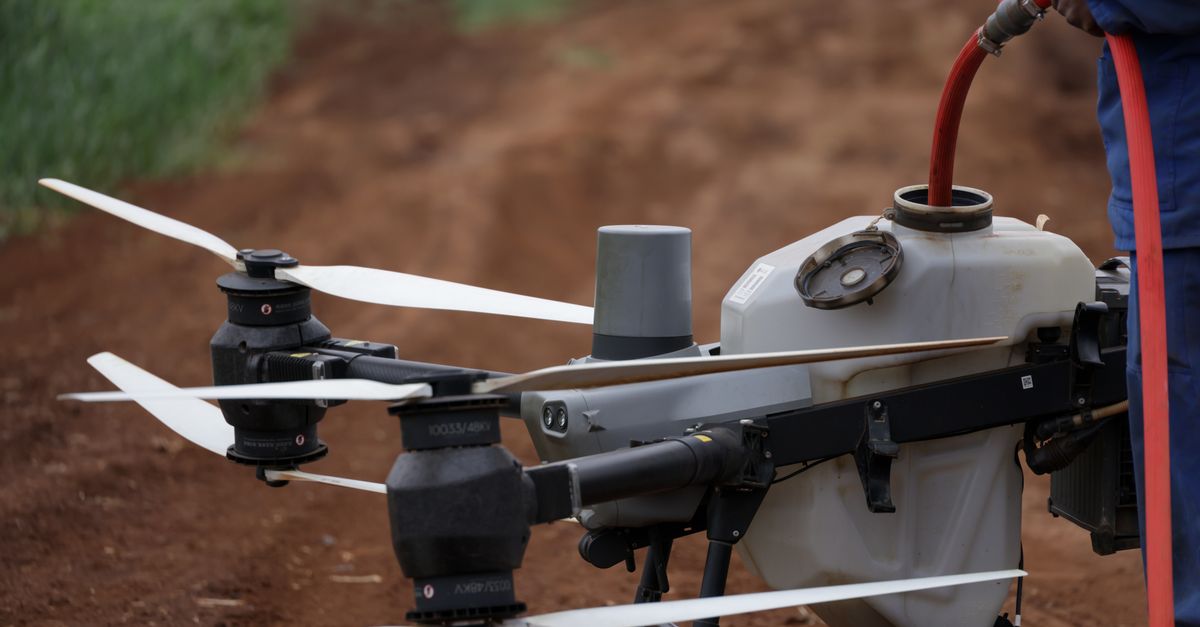
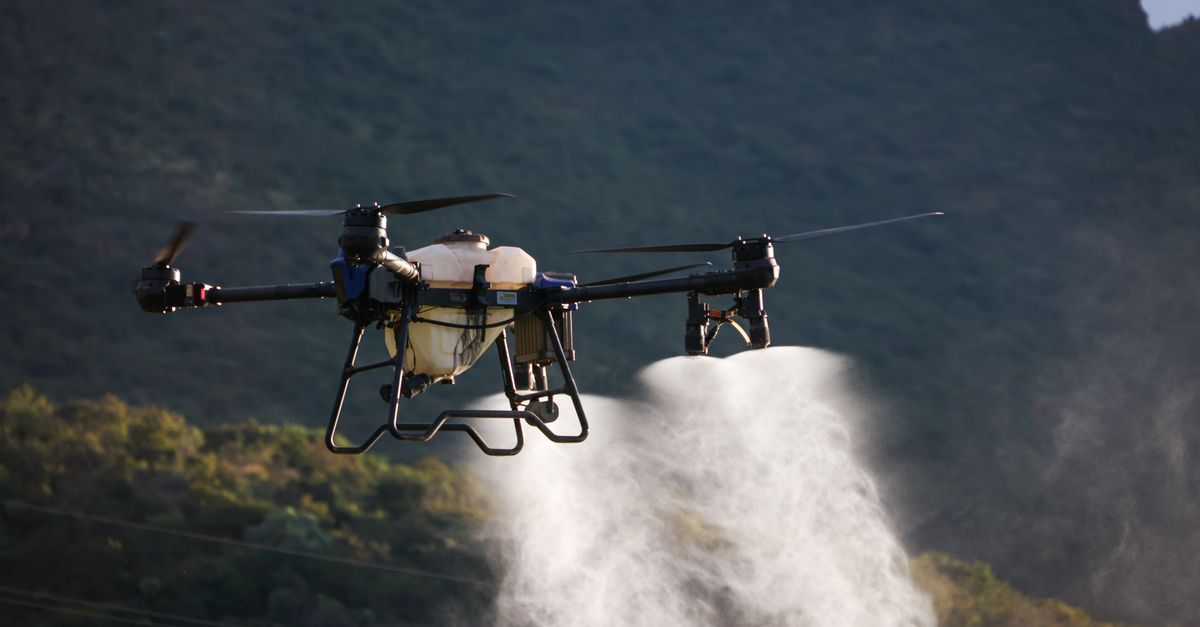
- Payload: Liquid spraying capacity (50 liters)
- Endurance: 25-30 minutes per cycle
- Use Case: Pesticide spraying, seeding
ePlane Solutions has seen deployment in the agricultural belt of Maharashtra and Punjab. The operational model relies on service providers rather than direct farmer ownership, which mitigates the high upfront capital expenditure (CAPEX) barrier. This B2B2C model is critical for scaling in the Indian agrarian economy.
Availability: ePlane offers a range of multi-rotors and fixed-wing drones. Pricing for the agri-variants typically starts around INR 6,00,000 to INR 9,00,000 for the airframe and flight controller package, with battery packs costing an additional INR 1,50,000.
Manufacturing: The company has set up an assembly line in Karnataka, adhering to the requirement for 51% Indian ownership and local sourcing of critical components like frames and flight controllers.
Reference: ePlane Solutions official site on agri-drones.
Pricing and Market Entry
Pricing in the Indian drone market remains opaque for high-specification hardware. Unlike consumer electronics, B2B and B2G (Business to Government) drone pricing is negotiated based on volume and service agreements. However, landed cost estimates provide a baseline for investors and operators.
Estimated Cost Breakdown:
- Entry-Level Multi-Rotor: INR 1,00,000 to INR 3,00,000 (Surveillance)
- Industrial Heavy Lift: INR 10,00,000 to INR 25,00,000 (Logistics/Power)
- Defence Tactical: INR 15,00,000 to INR 50,00,000+ (Secure comms)
Import duties on non-PLI drones have increased to 40% or higher to encourage local manufacturing. This effectively raises the cost of imported competitors, positioning domestic startups like ideaForge and Garuda at a pricing advantage for government tenders.
Regulatory and Supply Chain Constraints
Despite the policy shift, operational hurdles persist. The Digital Sky Platform mandates strict registration, which can delay deployment timelines. Furthermore, the requirement for "No Objection Certificates" (NOC) from local authorities for flight operations adds administrative friction.
Supply Chain: The reliance on imported motors and lithium batteries remains a bottleneck. While the PLI scheme encourages local assembly, the raw materials for high-discharge batteries are still largely sourced from China. Startups must demonstrate supply chain resilience to secure long-term defence contracts.
Future Outlook: The focus is shifting towards BVLOS operations in designated test ranges. The Indian Air Force has begun integrating drones into its air defence architecture, creating a sustained demand pipeline for hardware that meets strict reliability standards.
References
✓ Key takeaways
- •Hands-on view of Indian Drone Startups: Commercial Viability and Defence Integration inside our Indian Drone Startups library.
- •Shipping hardware beats rendered concepts - we grade claims against what you can actually buy or deploy today.
- •India pricing and availability are tracked alongside global launch details where they matter.
References
Related articles
More in Indian Drone Startups →