The Indian Drone Startup Shift: From Prototype to Production
Introduction: The Shift from Concept to Shipping
The Indian drone sector has moved beyond the initial phase of concept demonstrations. Under the Production Linked Incentive (PLI) scheme and relaxed Foreign Direct Investment (FDI) norms, three startups have transitioned from investor pitches to actual field deployments. This article evaluates ideaForge Technology, Garuda Aerospace, and ePlane Systems based on shipped hardware, pilot deployments, and manufacturer specifications. Unlike many global narratives that focus on future capabilities, the Indian market is currently defined by logistical execution and regulatory adherence.
The shift from concept to shipping is evident in the field deployments of these startups. While the sector faces challenges in supply chain stability and pilot certification, the hardware availability proves the viability of the business model. The following analysis focuses on the hardware that is currently available for purchase, the specifications provided in official datasheets, and the actual deployment data available from public tenders.
ideaForge Technology: The Defence Backbone
Flagship Deployments and Hardware
ideaForge has established itself as a primary vendor for Indian defence contracts. Their flagship product, the Netra FPV drone, is not merely a concept but a deployed asset. The Netra series has been used in border surveillance and tactical reconnaissance missions across multiple states. The company claims over 100 deliveries to armed forces and paramilitary units, a metric that distinguishes it from competitors who rely on pilot projects.
Technical specifications for the Netra include a range of 5 km to 7 km, with a flight time of approximately 30 minutes depending on payload. The hardware is designed for rugged environments, utilizing dual-link communication to maintain command and control (C2) links. Unlike many consumer drones, ideaForge focuses on the industrial and defence verticals where reliability is critical. The drone features a carbon fiber frame to reduce weight while maintaining structural integrity during high-speed maneuvers.
The company's recent focus includes the Akash UAV, a fixed-wing system capable of longer endurance missions. While the Akash is in the deployment phase, the volume of shipments remains lower than the quadcopter-based Netra series. This distinction is crucial for buyers assessing total cost of ownership versus operational capability. The Akash is designed for surveillance over long distances, offering a loiter time significantly higher than the Netra FPV.
Availability and Pricing
Pricing for enterprise-grade drones typically starts around ₹15 lakh and can exceed ₹50 lakh depending on the configuration, though specific quotes are vendor-specific. This pricing structure reflects the inclusion of ground control stations, batteries, and support infrastructure. For government tenders, the pricing is often subject to competitive bidding, which can lower the unit cost but increases the barrier to entry for smaller enterprises.
Garuda Aerospace: Civil and Heavy Lift Focus
Heavy Lift Capabilities and Use Cases
Garuda Aerospace has positioned itself in the heavy-lift civil drone space. Their product line, including the Garuda 2.0, targets logistics and infrastructure inspection. The company has secured orders from state governments for border monitoring and disaster management. Their manufacturing facility in Bengaluru adheres to the Digital Sky Platform regulations, ensuring that every unit shipped is registered and compliant.
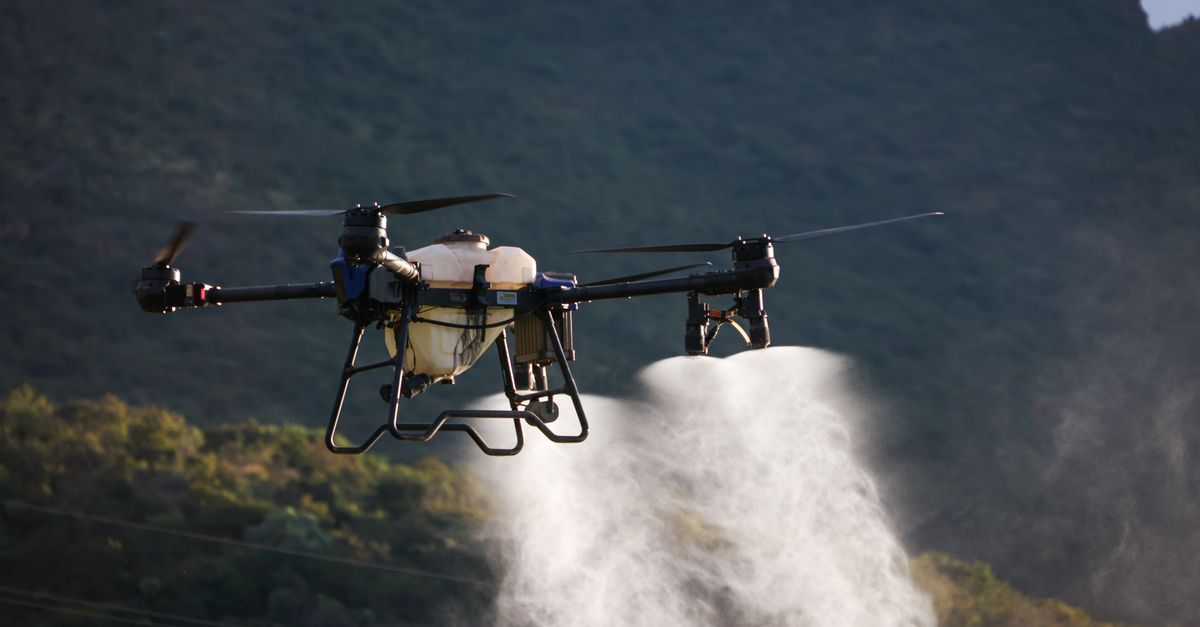
The Garuda 2.0 is a coaxial rotor drone designed to handle payloads ranging from 10 kg to 20 kg. This capability places it in a niche distinct from standard agricultural sprayers, which typically carry payloads under 5 kg. The flight endurance is rated at approximately 45 minutes, allowing for extended survey missions. This endurance is critical for infrastructure inspection tasks where battery swaps are not feasible mid-flight.
Garuda's move beyond the prototype stage is evidenced by field tests completed in Punjab and Haryana. These tests involved real-world payloads such as thermal imaging cameras and multispectral sensors. The company has also demonstrated the ability to operate in high-altitude environments, a key requirement for the Indian border regions.
Commercial Models and Pricing
Pricing for the Garuda 2.0 is estimated between ₹25 lakh and ₹60 lakh. The company also offers a "Drone as a Service" model, which reduces capital expenditure for clients. This model involves the company providing the hardware and the pilot, charging a fee per mission or per hour of flight. This approach is gaining traction among logistics firms that do not want to manage the regulatory burden of drone ownership.
ePlane Systems: Manufacturing and Tech Stack
Supply Chain and Integration
ePlane Systems represents the manufacturing and technology integration angle of the sector. Their product, the ePlane Dronalab, is designed for educational and light commercial applications, though they have expanded into custom manufacturing for third parties. The focus here is on the supply chain. ePlane provides the airframe, avionics, and battery integration for larger contracts.
This makes them a critical supplier rather than just a consumer brand. Their ability to source components locally aligns with the Make in India initiative. They have established partnerships with technology institutes to develop proprietary flight control software. This reduces dependency on foreign software stacks that may face export control restrictions.
Market Positioning
Pricing for ePlane's custom manufacturing services varies widely based on the order volume. For small batches, the cost per unit remains high. For large-scale tenders, the margin compresses. The company has partnered with government entities for training programs, ensuring a supply of certified pilots. This vertical integration ensures that the hardware is matched with the operational capability required to fly it safely.
Regulatory Landscape and Availability
The Directorate General of Civil Aviation (DGCA) has tightened regulations under the Digital Sky Platform. All drones must be registered, and operators require a Unique Identification Number (UIN). This compliance barrier has filtered out many unregistered players, benefiting compliant startups like ideaForge, Garuda, and ePlane.
The PLI scheme has encouraged domestic manufacturing. Approximately 60% of the components for these drones are sourced locally, reducing dependency on imports. However, critical components like high-density batteries and certain flight controllers often still rely on global supply chains. This dependency remains a risk factor for the sector, especially during global supply disruptions.
Market access in India is now standard for these three companies. They operate through authorized dealers and direct B2B channels. Imported counterparts often face higher logistics costs and regulatory hurdles. The government has also introduced the 'No-Fly Zone' map, which restricts operations near airports and strategic installations. Compliance with this map is mandatory for all operators.
Comparison of Key Metrics
- ideaForge: Direct sales and government tenders. Focus on tactical and surveillance.
- Garuda: Direct sales and service contracts. Focus on heavy lift and infrastructure.
- ePlane: Manufacturing and service integration. Focus on supply chain and training.
Conclusion: The Path to Hardware Maturity
The Indian drone market is maturing. The shift from concept to shipping is evident in the field deployments of these startups. While the sector faces challenges in supply chain stability and pilot certification, the hardware availability proves the viability of the business model. The future will likely see a consolidation of players who can demonstrate sustained shipping volumes over multiple fiscal years. Until then, buyers must rely on the current specifications and deployment records to make purchasing decisions.
✓ Key takeaways
- •Hands-on view of The Indian Drone Startup Shift: From Prototype to Production inside our Indian Drone Startups library.
- •Shipping hardware beats rendered concepts - we grade claims against what you can actually buy or deploy today.
- •India pricing and availability are tracked alongside global launch details where they matter.
References
Related articles
More in Indian Drone Startups →