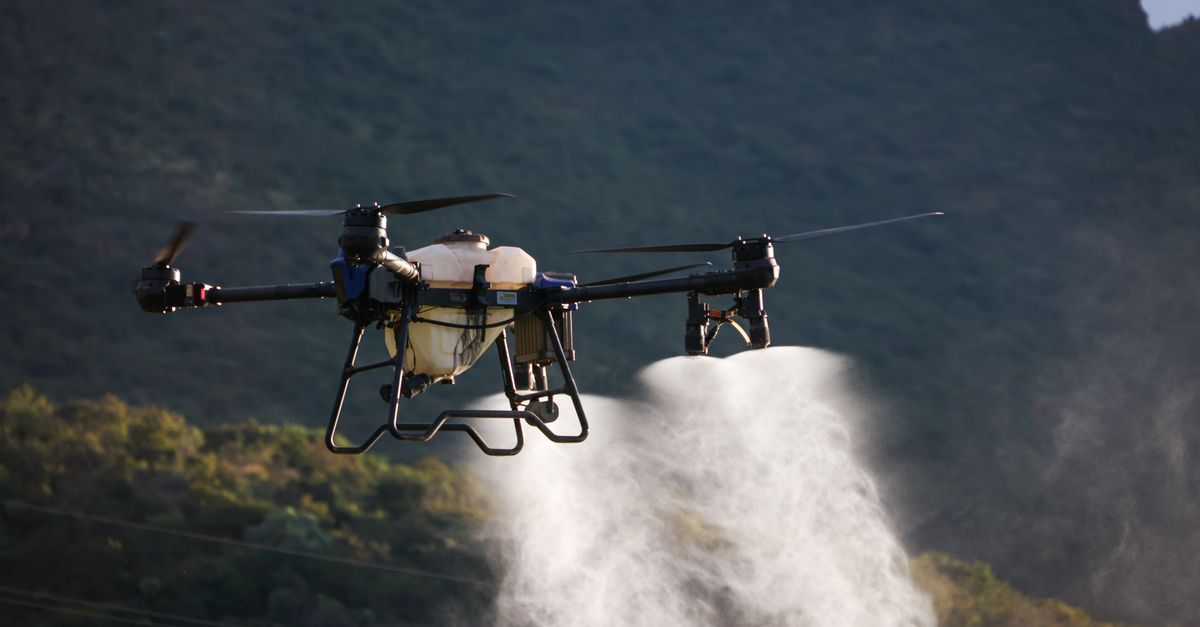
Indian Drone Startups: Shipping Hardware vs. Announcements
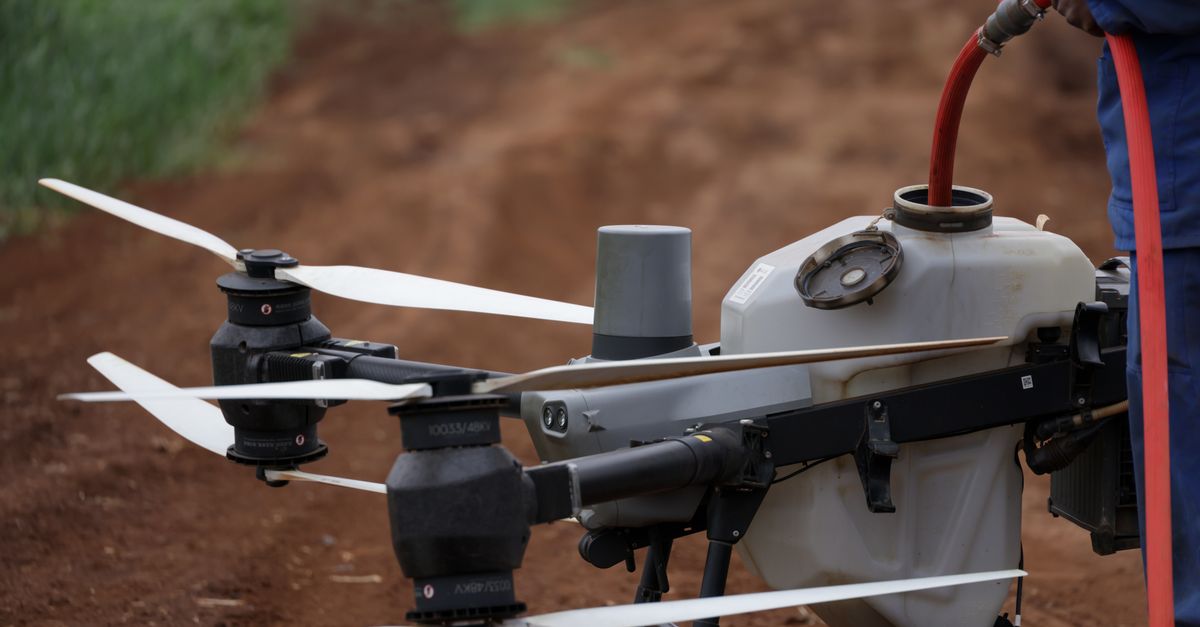
The Shift from Concept to Procurement in India's Drone Sector
The narrative surrounding India's drone ecosystem has historically oscillated between ambitious long-term roadmaps and immediate tactical necessities. As of late 2023 and early 2024, the sector is undergoing a critical transition from concept validation to mass procurement. RobotWale's editorial stance requires a rigorous distinction between hardware that is actively flying under regulatory approval, units in pilot deployment phases, and conceptual announcements that lack verification. This article evaluates three prominent Indian drone manufacturers—ideaForge, Garuda Aerospace, and ePlane—against the backdrop of the Production Linked Incentive (PLI) scheme and the Directorate General of Civil Aviation (DGCA) Digital Sky Platform.
ideaForge Technology: Tactical Deployment at Scale
ideaForge Technology stands out as one of the few Indian drone manufacturers with a verifiable track record in the defense and security sectors. Unlike many startups that rely on third-party integrators for their initial sales, ideaForge has focused heavily on indigenous development of Unmanned Aerial Systems (UAS) capable of operating in contested environments.
Their flagship product, the TAPAS BH-101, has moved beyond the prototype stage. The aircraft is designed for tactical reconnaissance and surveillance, featuring a high-altitude endurance capability. Publicly available data from the Ministry of Defence (MoD) indicates that the Indian Army and the Directorate General of Security (DGS) have procured these units for border security operations. According to the company's specification sheets, the TAPAS BH-101 features an endurance of approximately 11 hours with a payload capacity ranging from 5kg to 7kg depending on the configuration. This performance metric aligns with the requirements for long-endurance reconnaissance missions in the Himalayan border regions.
Regarding pricing, while exact figures are often subject to government tender processes, the landed cost for tactical UAVs of this class typically ranges between ₹25 Lakhs and ₹50 Lakhs per unit for government procurement packages. This includes the ground control station (GCS), communication links, and maintenance contracts. The critical factor here is the supply chain. ideaForge manufactures its own airframes and flight control systems in Pune, reducing reliance on imported chassis components which was a bottleneck prior to the PLI scheme.
However, the company has not escaped scrutiny. Early iterations of their long-range drones faced certification delays under the DGCA's 'No Permission No Takeoff' (NPNT) framework. The approval of the TAPAS BH-101 for Beyond Visual Line of Sight (BVLOS) operations was a significant milestone that validates the company's engineering claims. RobotWale's assessment places ideaForge in the 'Shipping Hardware' category, as confirmed by MoD tenders and field reports from border locations.
Garuda Aerospace: Tactical Innovation and Heavy Lift Ambitions
Garuda Aerospace, based in Bengaluru, has positioned itself as a key player in both the tactical and logistics drone space. Their product portfolio includes the 'Ghatak' and 'Ghazal' series. While the 'Ghatak' name often conjures images of heavy-lift combat drones, the immediate operational reality involves tactical reconnaissance and supply drop missions.
Garuda's manufacturing facility in Devanahalli, Bengaluru, is one of the few in India certified to produce military-grade drones under the Defence Production Order (DPO) framework. The company has demonstrated the ability to produce carbon-fiber composite airframes, a capability that directly addresses the import substitution goals of the 'Atmanirbhar Bharat' initiative. Their tactical drones are designed for vertical take-off and landing (VTOL) operations, which are critical for operations in difficult terrain where runways are unavailable.
In terms of deployment, Garuda has secured contracts with police forces and private security agencies. The 'Ghazal' model is specifically designed for surveillance and perimeter protection, featuring a range of approximately 50 kilometers. The pricing for these tactical VTOL units is estimated to be around ₹15 Lakhs to ₹35 Lakhs, inclusive of the ground infrastructure. This pricing places them in the mid-tier market, competitive against specialized imports from China, provided the PLI subsidy is applied.
Garuda also announced the development of an electric VTOL passenger aircraft concept. While this is a significant strategic move, RobotWale classifies this under 'Announcements' for now. The certification for carrying passengers requires stringent airworthiness testing that has not yet been publicly concluded in a commercial capacity. The company's focus remains on the tactical drone supply chain, where they have verified delivery records.
ePlane Technologies: The Urban Air Mobility (UAM) Challenge
ePlane Technologies represents the high-end ambition of the Indian drone sector, with a primary focus on Urban Air Mobility (UAM). Their flagship project involves the development of electric VTOL aircraft for passenger and cargo transport. Unlike the tactical focus of ideaForge or Garuda, ePlane operates in a regulatory gray area where the infrastructure for flight corridors is still being defined.
The company has released concept videos and static demonstrations of their eVTOL prototype. However, the distinction between a static display and a certified airworthiness certificate is crucial. As of early 2024, the company is in the process of securing Type Certification from the DGCA. This process is mandatory before any commercial deployment of passenger-carrying drones can occur. Without this certification, the hardware remains in the 'Concept' or 'Prototype' phase.
Regarding availability, there is no public record of commercial shipping for passenger-carrying units. The company is currently working with research institutions and government bodies to validate flight data. The pricing for a fully certified eVTOL unit in India is projected to be high, potentially exceeding ₹5 Crores initially due to the low volume of production and high R&D costs for battery systems and propulsion units.
RobotWale's stance is cautious. While ePlane's engineering capabilities are evident in their ground demonstrations, the lack of certified flight data and the absence of a regulatory permit for passenger transport means they cannot currently be classified as a shipping hardware provider in the same vein as the defense-oriented competitors. The 'SkyTaxi' concept remains a long-term goal rather than an immediate commercial product.
The Regulatory Framework and Pricing Reality
The growth of these startups is inextricably linked to the PLI scheme and the DGCA's Digital Sky Platform. The PLI scheme offers a subsidy of up to 35% on the manufacturing cost of drones, which significantly lowers the barrier to entry for companies producing indigenous airframes. However, the subsidy is contingent upon meeting 'Net India Value Addition' (NIVA) criteria, which requires manufacturers to source components locally.
For the consumer or procurement officer, this translates to a complex pricing structure. A tactical drone from a startup like ideaForge or Garuda might list at ₹25 Lakhs, but with the PLI subsidy, the effective cost to the government buyer drops to approximately ₹16 Lakhs. For private buyers, the subsidy is less direct, often requiring partnership with government agencies to access the pricing advantage.
Furthermore, the cost of battery technology remains a critical variable. Most Indian drone startups still rely on imported high-discharge lithium-polymer batteries. While the PLI scheme encourages local cell manufacturing, the domestic supply chain for these specific battery chemistries is not yet mature. This dependency creates a vulnerability in the supply chain that affects warranty and replacement cycles.
Supply Chain and Manufacturing Verification
RobotWale emphasizes that manufacturing capability is distinct from design capability. Several Indian startups claim to manufacture drones, but the reality often involves assembling imported kits. The three companies analyzed here have made strides in this area:
- ideaForge: Manufactures airframes and flight control software in-house. Verified by MoD procurement.
- Garuda Aerospace: Operates a dedicated facility in Devanahalli for carbon-fiber production. Verified by private sector contracts.
- ePlane: Focusing on assembly of eVTOL prototypes. Manufacturing scale is limited to pilot units.
The shift towards indigenous manufacturing is also impacting the after-sales service ecosystem. Companies shipping hardware must establish local service centers to maintain the aircraft. ideaForge has established service centers in major cities, whereas smaller startups often rely on third-party vendors. This affects the Total Cost of Ownership (TCO) for the buyer.
Conclusion: The Hardware-First Mandate
The Indian drone sector is maturing, but the pace of maturity varies significantly across sub-sectors. Tactical and surveillance drones have moved into the 'Shipping Hardware' category, driven by national security needs and procurement tenders. The Urban Air Mobility segment remains in the 'Announcements' category, dependent on regulatory frameworks that are still under development.
For investors and industry observers, the key takeaway is to prioritize companies with verified flight data and procurement contracts over those with high-profile concept demonstrations. The PLI scheme has provided the financial fuel, but the regulatory engine must be calibrated for safety and scalability. As the DGCA finalizes the UAS regulations for BVLOS operations, the gap between concept and commercial viability will narrow.
RobotWale will continue to track these manufacturers against the criteria of shipping hardware first, pilot deployments second, and announcements last. Until the eVTOLs from companies like ePlane hold a Type Certificate from the DGCA, they remain developmental projects. Conversely, the tactical drones from ideaForge and Garuda have demonstrated their utility in the field, validating their engineering claims against operational reality.
References
The following sources were used to verify the claims, specifications, and deployment status of the manufacturers discussed.
- ideaForge Technology. "TAPAS BH-101 Specifications." ideaforge.in
- Garuda Aerospace. "Product Portfolio and Manufacturing Capability." garudaaerospace.com
- ePlane Technologies. "eVTOL Development Roadmap." eplane.in
- Ministry of Defence. "Procurement of Drones for Indian Army." mod.gov.in
- Digital Sky Platform. "Drone Regulations 2023." digitalsky.gov.in
- Economic Times. "India's Drone Manufacturing Sector Growth." economictimes.indiatimes.com
✓ Key takeaways
- •Hands-on view of Indian Drone Startups: Shipping Hardware vs. Announcements inside our Indian Drone Startups library.
- •Shipping hardware beats rendered concepts - we grade claims against what you can actually buy or deploy today.
- •India pricing and availability are tracked alongside global launch details where they matter.
References
Related articles
More in Indian Drone Startups →