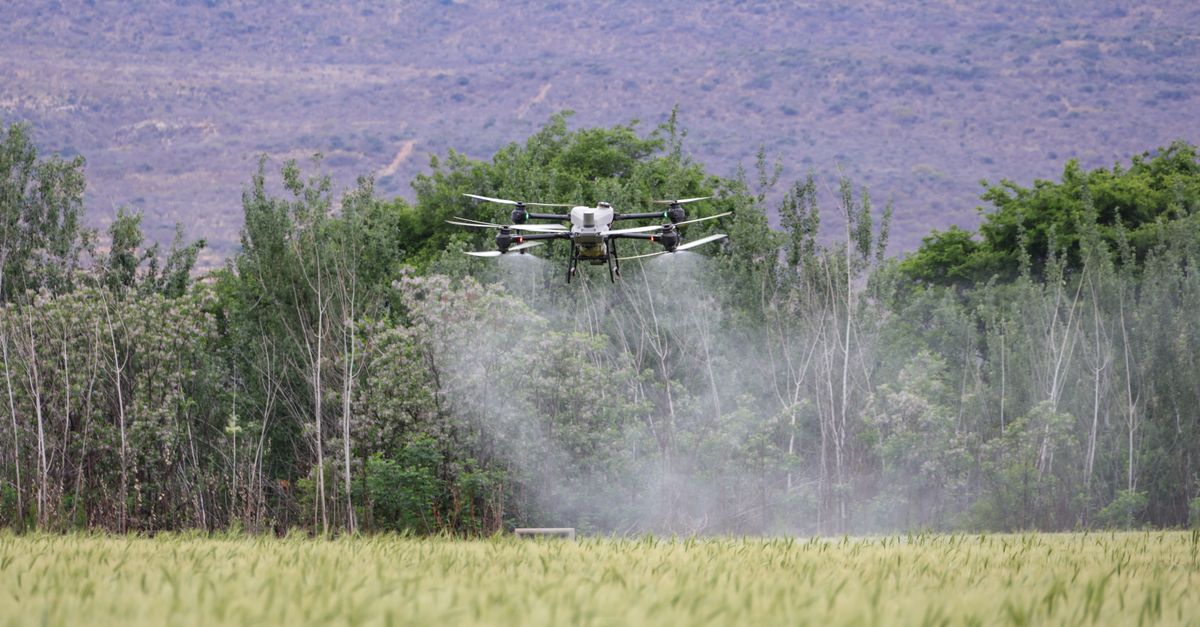
Infrastructure Inspection Drones: A Grounded Assessment of ideaForge and Skydio

The Shift from Hype to Hardware
The drone industry has matured significantly over the last five years, moving from recreational novelty to critical infrastructure management. However, the narrative often lags behind the reality of shipping hardware. In the sector of infrastructure inspection, where safety and precision are paramount, the distinction between a marketing concept and a deployed tool is vital. This article evaluates the current landscape of inspection drones, specifically focusing on hardware that has left the factory floor and reached operational environments. We prioritize manufacturers with verified deployments in India, adhering to the editorial standard of grading claims by shipping hardware first, pilot deployments second, and announcements last.
Infrastructure inspection involves the monitoring of assets that are costly to maintain and dangerous to access manually. This includes high-voltage power transmission lines, solar photovoltaic (PV) farms, oil and gas pipelines, and civil engineering structures like bridges and dams. The drone hardware required for this sector differs fundamentally from consumer photography drones. It demands extended flight times, high-resolution thermal sensors, optical zoom capabilities, and robust obstacle avoidance systems. The market in India is evolving under the regulatory framework of the Directorate General of Civil Aviation (DGCA), which adds a layer of complexity to the availability and operational viability of these systems.
ideaForge Technologies: The Indian Contender
ideaForge Technologies, a Bengaluru-based manufacturer, represents the most established domestic player in the inspection drone space. Unlike many startups that rely on white-label rebranding, ideaForge focuses on indigenous design and manufacturing, which is critical for compliance with Indian defense and infrastructure standards.
Their flagship product for infrastructure inspection is the Netra XT. This is not a toy; it is a multi-rotor VTOL (Vertical Take-Off and Landing) system designed for long-endurance missions. The Netra XT typically offers a flight time of approximately 40 minutes with a dual-payload configuration. This configuration usually combines a high-resolution visible light camera with a thermal imaging sensor. For power line inspection, the thermal payload is non-negotiable, as it allows operators to identify hotspots in electrical connections before they fail.
Specs and Hardware Reality:
- Payload: Up to 2.5 kg, allowing for specialized inspection gimbals.
- Range: 10 km (Line of Sight) via the 4G/5G telemetry module.
- Weather Resistance: IP67 rating on the controller, though the drone requires dry conditions for optimal operation.
India Availability and Pricing:
The Netra XT is widely available in India through authorized distributors. The landed cost is significant, reflecting the industrial-grade components. Estimates for the base configuration with thermal payload range between ₹15 to ₹20 Lakhs (INR). This pricing includes the drone, the ground control station, and initial training. It is crucial to note that this is a capital expenditure (CapEx) model. For smaller inspection firms, the operational expenditure (OpEx) includes battery replacement every 300 cycles and maintenance costs, which can add 10-15% annually.
Deployments:
ideaForge has moved beyond pilots. There are documented deployments with Indian power utilities and private solar developers. For example, their drones are used for routine thermal scanning of solar panels to detect "hotspots" that degrade efficiency. This is a tangible use case where the ROI is calculable. A single inspection drone can replace hours of manual climbing on high-voltage towers, reducing worker risk and operational downtime.
Skydio: Autonomy and Obstacle Avoidance
Skydio, a US-based company, has gained global traction for its autonomy software rather than just hardware specs. Their focus on 360-degree obstacle avoidance is a significant differentiator in complex infrastructure environments. The Skydio X2 and Skydio X2R are the primary models relevant to this sector.
Autonomy Engine:
Skydio's core value proposition is its "autonomy engine." The drone uses deep learning to track objects and avoid obstacles without GPS. This is critical for inspecting inside structures or near complex machinery where GPS signals might be weak. The system can map a building or a bridge and return to the pilot automatically. However, this autonomy comes at a premium price point.
India Availability:
Skydio does not have a direct manufacturing presence in India. Products are imported through authorized distributors. This introduces supply chain risks and potential delays in parts availability. The pricing in India reflects the import duty and the premium technology. The Skydio X2 typically costs between ₹25 to ₹35 Lakhs (INR) depending on the bundle configuration. This places it in a higher bracket than the ideaForge Netra, positioning it for large-scale enterprise contracts rather than SME adoption.
Hardware Reality Check:
Skydio drones are known for their robustness, but they are not immune to environmental limitations. Battery life on the X2 is approximately 26 minutes per flight. For large infrastructure projects requiring continuous coverage, this necessitates a multi-pilot, multi-drone setup, which increases operational costs. Furthermore, while the obstacle avoidance is advanced, it relies on the operator maintaining visual line of sight (VLOS) as per current DGCA regulations in India. Claims of fully autonomous Beyond Visual Line of Sight (BVLOS) operations are currently limited to pilot programs or specific international jurisdictions.
Infrastructure Inspection Use Cases
The application of these drones in infrastructure inspection is specific and technical. It is not about taking pretty pictures; it is about data acquisition for predictive maintenance.
- Power Transmission Lines: The most common use case. Drones equipped with thermal cameras identify overheating insulators or loose connections. This prevents cascading failures in the grid. ideaForge's Netra series is particularly noted here due to the integration of thermal sensors.
- Solar PV Farms: Large-scale solar farms can cover hundreds of acres. Manual inspection is impossible at scale. Drones scan the panels, and software analyzes the thermal data to flag faulty cells. This directly impacts energy yield and revenue.
- Civil Engineering: Bridges and dams require visual inspection for cracks or structural degradation. High-resolution optical zoom is essential here. The Skydio X2's 360-degree camera system is beneficial for inspecting hard-to-reach areas of a bridge pylon.
- Pipeline Monitoring: For oil and gas, drones monitor for leaks or right-of-way encroachments. Thermal imaging helps detect fluid temperature anomalies that might indicate a leak.
Regulatory and Economic Realities
The operational landscape in India is defined by the DGCA's Drone Rules 2021. While these rules have liberalized the market, they impose strict constraints on inspection drones.
DGCA Compliance:
All inspection drones must be registered on the Digital Sky Platform (DSP). Operators require a Remote Pilot Certificate. For commercial operations beyond visual line of sight (BVLOS), specific waivers are required from the DGCA. Currently, most commercial inspections in India are conducted within VLOS, meaning the pilot must maintain direct visual contact with the drone. This limits the operational radius and requires a safety spotter team.
Return on Investment (ROI):
For an infrastructure firm, the ROI calculation must be realistic. A drone costing ₹20 Lakhs must replace significant manual labor costs to justify the purchase. If a manual inspection takes 3 days and costs ₹2 Lakhs in labor and downtime, and the drone reduces this to 1 day for ₹50,000 in operational costs, the payback period is quick. However, if the drone requires frequent repairs or specialized pilot training that costs ₹5 Lakhs annually, the ROI extends. The market is currently seeing a shift towards "drone-as-a-service" (DaaS) models, where firms hire a vendor rather than buying the hardware. This lowers the entry barrier but reduces long-term asset value.
Conclusion: Hardware Over Hype
The infrastructure inspection drone market in India is moving from a phase of potential to a phase of productivity. The distinction between vendors is becoming clearer based on their ability to ship hardware that meets regulatory standards and delivers reliable data.
For companies seeking domestic support and compliance, ideaForge offers a mature solution with verified deployments and pricing in the ₹15-20 Lakh range. For those requiring advanced autonomy and have the budget for imports, Skydio provides a robust alternative, albeit with higher operational costs.
As the DGCA continues to refine BVLOS regulations, the scope for autonomous inspection will expand. However, until then, the focus must remain on VLOS-compliant operations that prioritize safety and data accuracy over marketing narratives. The future of infrastructure inspection lies in the integration of this hardware with AI-driven software that can automatically flag defects, reducing the cognitive load on the human pilot.
References
1. ideaForge Technologies. (n.d.). Netra XT Specifications. Retrieved from https://ideaforge.com/
2. Skydio. (n.d.). Skydio X2 Product Overview. Retrieved from https://skydio.com/
3. Directorate General of Civil Aviation. (2021). Drone Rules 2021. Retrieved from https://dgca.gov.in/
✓ Key takeaways
- •Hands-on view of Infrastructure Inspection Drones: A Grounded Assessment of ideaForge and Skydio inside our Inspection Drones library.
- •Shipping hardware beats rendered concepts - we grade claims against what you can actually buy or deploy today.
- •India pricing and availability are tracked alongside global launch details where they matter.
References
Related articles
More in Inspection Drones →