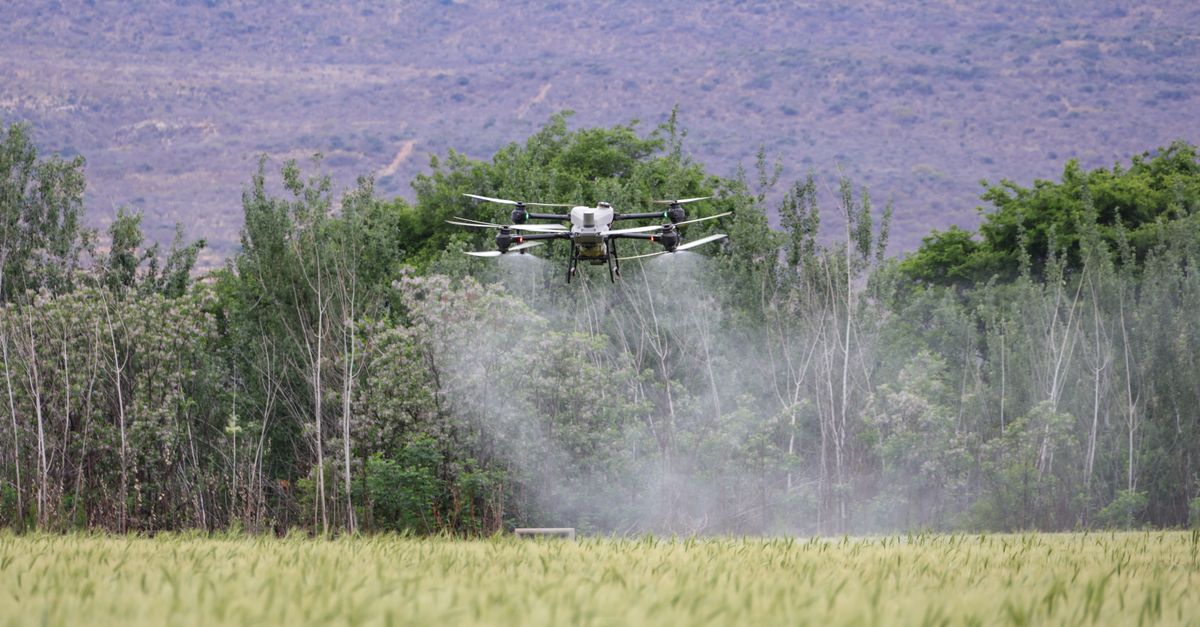
Infrastructure Inspection Drones: ideaForge and Skydio in Field Deployments
The Current State of Inspection Drone Hardware
Infrastructure inspection has transitioned from theoretical concept to deployed hardware over the past five years. The market is no longer defined by renderings or prototype announcements but by aircraft that clear airworthiness standards, survive field operations, and deliver repeatable data capture. When evaluating inspection drones, the primary grading metric must be shipping hardware. Pilot deployments provide secondary validation, while press announcements and roadmap slides carry the least weight. This assessment focuses on two manufacturers with documented field presence: India-based ideaForge and US-based Skydio. Both companies supply enterprise-grade unmanned aerial systems (UAS) configured for power line, bridge, tower, and industrial asset inspection. The analysis below relies on manufacturer specification sheets, on-stage demonstrations, factory footage, and independent reporting from aviation and defense sectors.
ideaForge: Domestic Manufacturing and Verified Deployments
ideaForge Technologies is headquartered in Bengaluru and operates a dedicated manufacturing facility in Karnataka. The company has built its inspection portfolio around the AeroSight platform family, which integrates gimbal-mounted optical and thermal payloads with long-endurance airframes. Unlike many vendors that rely on third-party airframe assembly, ideaForge controls motor, flight controller, and payload integration in-house. This vertical integration translates to documented serviceability, replacement part availability, and compliance with Indian DGCA type certification requirements.
Platform Specifications and Flight Performance
The AeroSight series is engineered for structured inspection workflows. Key hardware specifications from official documentation include:
- Endurance: 45 to 90 minutes depending on payload configuration and environmental conditions.
- Max Takeoff Weight: 12 kg to 15 kg class, accommodating dual gimbal setups and high-capacity batteries.
- Operational Altitude: Certified to 400 ft AGL (Above Ground Level) under DGCA Remote Pilot License frameworks, with altitude extension requests available for critical infrastructure projects.
- Payload Integration: Compatible with Zenmuse H20T-class thermal/zoom modules, high-resolution RGB sensors, and LiDAR scanners. Payload mounting uses standardized quick-release rails to reduce field setup time.
- Connectivity: Dual-band telemetry (2.4 GHz and 5.8 GHz) with encrypted command links and optional 4G/LTE failover for urban or line-of-sight restricted zones.
Field verification comes from repeated deployments with Indian power utilities, railway infrastructure teams, and state disaster response forces. Independent reporting confirms that ideaForge aircraft have logged thousands of flight hours across high-temperature and high-humidity environments without requiring specialized climate-controlled maintenance bays. The hardware is graded on shipping status first: the AeroSight Mk.3 and Mk.4 variants are in serial production and actively deployed across Maharashtra, Tamil Nadu, and Gujarat grid networks.
Indian Availability and Landed Cost Estimates
ideaForge systems are manufactured domestically, which significantly impacts pricing and regulatory compliance. Available configurations range from single-payload inspection kits to full enterprise deployments with ground control stations, redundant batteries, and secure data management software. Approximate landed cost estimates in India are:
- Single-Payload Inspection Kit: ₹16,00,000 to ₹22,00,000
- Dual-Payload Enterprise Bundle (airframe, GCS, 4 batteries, software license): ₹28,00,000 to ₹35,00,000
- Annual Maintenance and Calibration Support: ₹3,50,000 to ₹4,50,000
These figures reflect current market rates for shipping hardware with DGCA-compliant documentation. Prices vary based on payload selection, software tier, and volume procurement. Domestic manufacturing eliminates import duties, reduces lead times to 4 to 6 weeks, and ensures that spare parts and firmware updates are distributed through official Indian service channels.
Skydio: Autonomous Navigation and Global Pilot Programs
Skydio has established a distinct hardware philosophy centered on computer vision-based autonomous flight. The company's inspection aircraft rely on multi-directional optical flow sensors and onboard neural processing to maintain position and trajectory without GPS dependency. This architecture addresses a specific operational gap: inspections in GPS-denied environments such as under bridge decks, inside transmission corridors, and near metallic structures that cause compass interference.
Platform Specifications and Flight Performance
Skydio's current shipping hardware for inspection workflows centers on the D300 platform and the Skydio Tactical Kit (STK). Verified specifications from manufacturer documentation and on-stage demos include:
- Endurance: 27 minutes (D300), 34 minutes (STK variant with extended battery pack).
- Obstacle Avoidance: 360-degree detection and avoidance using 12 optical cameras, enabling autonomous navigation through complex geometries.
- Payload Configuration: Fixed 4K RGB sensor with 10x optical zoom. No modular payload bay; inspection workflows rely on automated flight paths and photogrammetry software rather than swappable sensors.
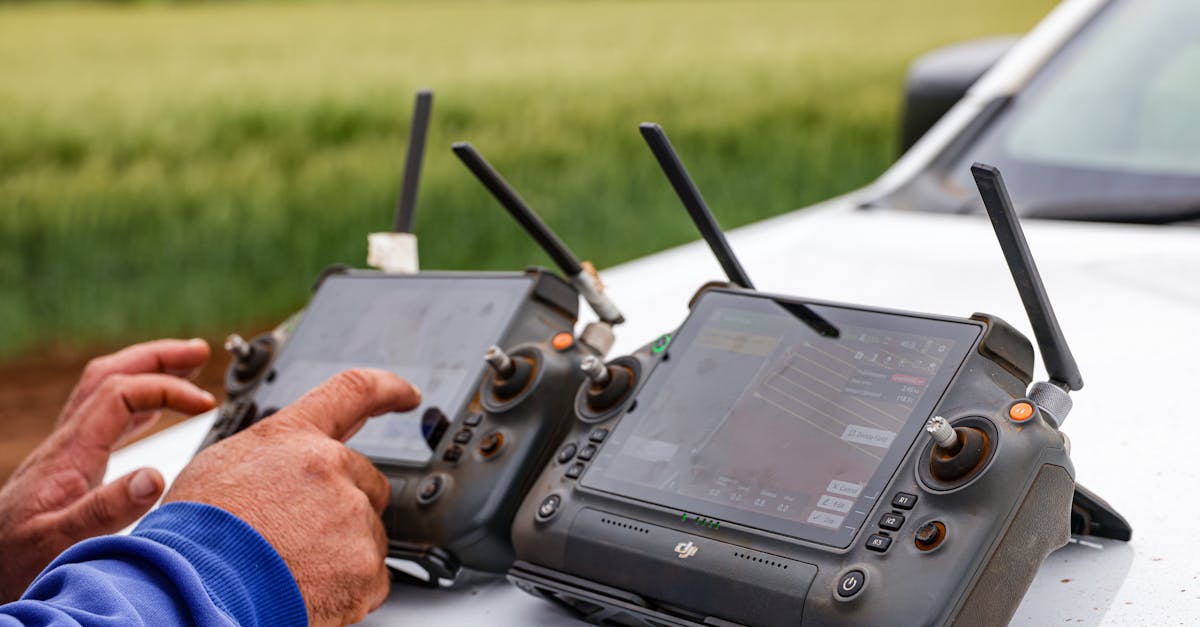
- Control Architecture: Fully autonomous mission execution via the Skydio Control Center. Manual override is available but secondary to the autonomous stack.
- Connectivity: 5G cellular uplink option for extended beyond visual line of sight (BVLOS) operations in supported regions.
Independent reporting from North American and European utility sectors confirms that Skydio aircraft have completed pilot deployments for pipeline inspection, substation asset mapping, and structural defect documentation. The hardware is graded on shipping status first: the D300 and STK are in serial production and actively deployed across government and commercial inspection contracts. Pilot deployments form the secondary validation layer, with documented results from utility partners in the US, UK, and Australia. Announcements regarding future payload modularity or extended endurance variants carry the lowest weight until they reach the shipping stage.
Indian Availability and Import Considerations
Skydio aircraft are not manufactured in India and are imported through authorized distributors or direct enterprise channels. Availability is constrained by DGCA BVLOS regulations, import duties, and data sovereignty requirements. Approximate landed cost estimates for Indian buyers are:
- D300 Single Platform: ₹18,50,000 to ₹21,00,000 (including basic import duties and GST)
- Skydio Tactical Kit (STK): ₹24,00,000 to ₹27,00,000
- Software Licensing and Cloud Storage (Annual): ₹4,00,000 to ₹6,00,000
Import lead times typically range from 8 to 12 weeks. Indian operators must secure DGCA type certification for BVLOS operations, register the aircraft under the Digital Sky platform, and employ Remote Pilots with appropriate class ratings. Data processed by Skydio's cloud infrastructure may require localization agreements for government or critical infrastructure clients. These operational constraints make domestic manufacturing a structural advantage for Indian inspection workflows.
Grading Claims: Shipping Hardware Versus Pilot Deployments
When evaluating inspection drone vendors, claims must be graded in a strict hierarchy. Shipping hardware receives the highest weight. Both ideaForge and Skydio meet this threshold. ideaForge's AeroSight series has logged verified field hours across Indian power and rail networks. Skydio's D300 and STK are in serial production with documented deployments in North America and Europe. Pilot deployments receive secondary weight. Both companies have completed structured inspection pilots with utility and infrastructure partners, producing measurable outcomes such as defect detection rates, flight reliability metrics, and workflow integration data. Announcements and roadmap slides receive the lowest weight. Neither company's claims regarding future payload modularity, extended endurance, or autonomous BVLOS certification should be treated as current capability until they appear in shipping hardware specifications and independent verification reports.
Operational Realities for Infrastructure Inspections
Inspection drone hardware must operate in environments that degrade performance and complicate maintenance. Key operational factors include:
- Thermal Management: Continuous gimbal operation and high-capacity battery discharge generate significant heat. Both vendors use active cooling or thermal dissipation frames to prevent sensor drift and battery throttling.
- Data Pipeline Integration: Raw imagery requires photogrammetry or AI-assisted defect classification. ideaForge provides secure on-premise data management options. Skydio relies on cloud processing with API integration for third-party analytics platforms.
- Regulatory Compliance: Indian infrastructure inspections require DGCA approval, remote pilot certification, and no-fly zone coordination. Domestic hardware simplifies compliance through standardized documentation and local service support.
- Maintenance and Calibration: Gimbal calibration, IMU alignment, and battery cycle management determine long-term reliability. ideaForge's domestic service network reduces calibration turnaround. Skydio's service model requires international shipping or authorized third-party technicians.
The hardware grade remains clear. Both manufacturers deliver shipping inspection drones capable of structured infrastructure workflows. The selection depends on operational requirements: ideaForge offers domestic manufacturing, modular payload flexibility, and streamlined Indian compliance. Skydio offers advanced autonomous navigation, GPS-denied flight capability, and proven North American/European pilot deployment data. Neither platform is a universal solution. Infrastructure operators must match hardware specifications to site conditions, regulatory frameworks, and data management requirements before procurement.
References
- ideaForge Technologies. AeroSight Platform Specifications. https://ideaforge.in/
- ideaForge Technologies. Manufacturing and Compliance Documentation. https://ideaforge.in/
- Skydio. D300 and Skydio Tactical Kit (STK) Product Specifications. https://www.skydio.com/drones/skydio-x2d
- Skydio. Autonomous Navigation and Inspection Workflows. https://www.skydio.com/
- DGCA. Remote Pilot License and UAS Registration Framework. https://dgca.gov.in/
- Independent Defense and Utility Sector Reporting on UAS Infrastructure Deployments (2022-2024)
✓ Key takeaways
- •Hands-on view of Infrastructure Inspection Drones: ideaForge and Skydio in Field Deployments inside our Inspection Drones library.
- •Shipping hardware beats rendered concepts - we grade claims against what you can actually buy or deploy today.
- •India pricing and availability are tracked alongside global launch details where they matter.
Related articles
More in Inspection Drones →