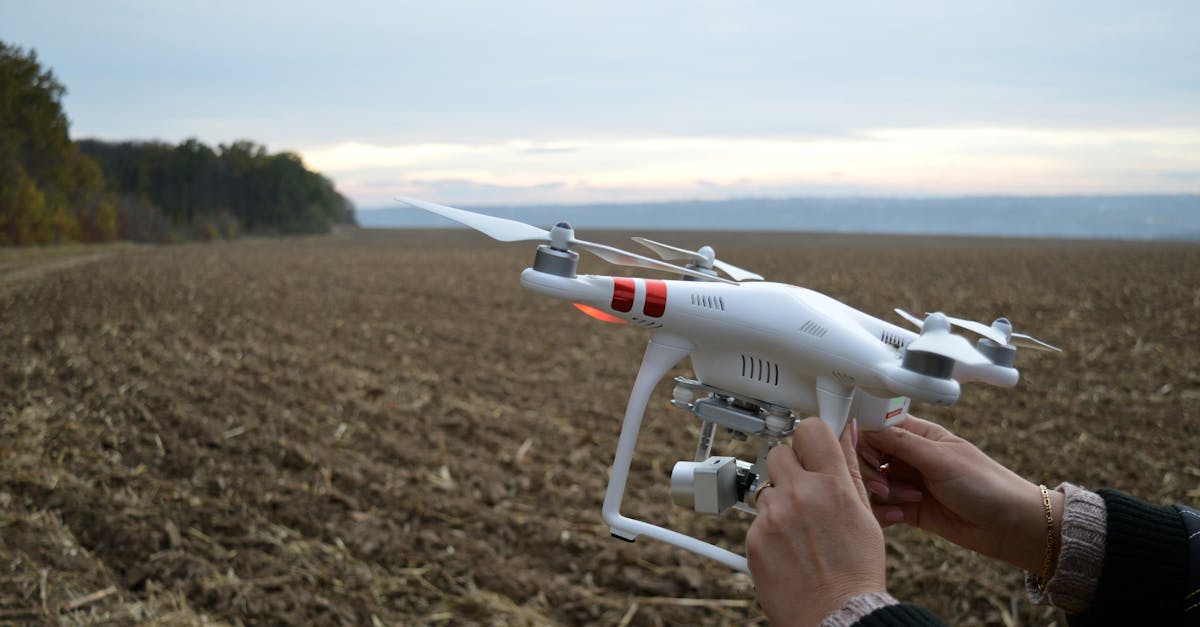
Infrastructure Inspection Drones: A Reality Check on ideaForge, Skydio, and Shipping Hardware

Introduction: Beyond the Concept Phase
In the rapidly evolving landscape of robotics, the inspection drone segment stands out for its tangible return on investment. Unlike humanoid robotics which often remain in beta or lab environments, inspection drones are shipping hardware deployed in high-risk industrial environments. This article evaluates the current state of infrastructure inspection technology, specifically focusing on the Indian manufacturer ideaForge and the US-based benchmark, Skydio. We grade these claims based on shipping hardware availability, pilot deployments, and regulatory compliance rather than rendered concepts or press announcements.
Infrastructure inspection requires precision, endurance, and regulatory clearance. The shift from visual-only inspection to thermal, LiDAR, and gas-leak detection has transformed drones into critical diagnostic tools for power lines, solar farms, and bridges. However, the gap between marketing claims and deployed reality remains significant. This analysis focuses on available inventory, pilot programs, and actual landed costs in India.
ideaForge: The Indian Infrastructure Play
ideaForge Technology Limited represents the most grounded case study in the Indian drone sector. Unlike many startups that rely on overseas assembly, ideaForge manufactures its drones in India, focusing on defense, security, and infrastructure use cases. Their product range, particularly the Tejas series, has moved beyond the pilot phase into commercial deployment.
The ideaForge Tejas Nano is a primary example of shipping hardware. It is a lightweight drone designed for visual inspection. While it lacks the advanced autonomy of heavier platforms, its availability is clear. It is DGCA (Directorate General of Civil Aviation) approved under specific conditions, allowing for Beyond Visual Line of Sight (BVLOS) operations in pilot zones. The price point sits approximately between INR 1.5 lakh to INR 2.5 lakh, depending on payload configuration.
For heavier infrastructure tasks, the ideaForge X2 and X3 series offer more robust capabilities. The X2 features a 3-axis gimbal and thermal imaging, suitable for power line inspection. The X3 includes a laser rangefinder. These units are not just concepts; they are in the hands of public sector undertakings (PSUs) and private utility companies.
Deployment reality in India is driven by the 'Make in India' initiative. The government's Public Procurement of Defence Equipment (PPDE) guidelines have encouraged the procurement of indigenous drones for critical infrastructure monitoring. Reports from the Ministry of Civil Aviation indicate that several Indian power distribution companies (DISCOMs) have begun using ideaForge drones for line patrol to reduce human risk.
Availability and Pricing:
- Tejas Nano: Approx INR 1.5 Lakh (Landed Cost).
- Tejas X2: Approx INR 3.5 Lakh to INR 5 Lakh (with thermal payload).
- Tejas X3: Approx INR 6 Lakh to INR 8 Lakh (Advanced LiDAR/Thermal).
It is crucial to note that while the hardware is available, operating it requires strict adherence to DGCA regulations. The 'Digital Sky Platform' must be used for flight approvals. This adds a layer of operational friction that is often glossed over in marketing materials. The pilot deployment rate is high in the defense sector but remains moderate in commercial infrastructure due to regulatory hurdles.
Skydio: Autonomy and Global Constraints
Skydio, based in the United States, represents the benchmark for autonomous flight capabilities. Their Skydio X2 and X2+ models are widely cited for their ability to fly close to structures without collision. This is achieved through onboard AI processing rather than relying on external GPS signals.
Claim Grading: Skydio ships hardware. The X2 is available for purchase in the US and select markets. However, for the Indian market, availability is constrained by import duties, export control regulations, and the lack of direct local service support.
The pricing for Skydio X2+ in the US is approximately $13,000. When factoring in shipping to India, customs duties (often exceeding 20% for drones), and GST, the landed cost in India could exceed INR 12 Lakhs. This places it out of reach for many small infrastructure contractors, limiting its deployment to large enterprises with deep pockets.
Autonomy remains Skydio's strongest selling point. In infrastructure inspections, the drone can navigate complex environments like bridge undercuts or solar panel arrays where GPS signals are weak. Independent testing by Drone Industry Insights (DIY) confirms that the flight autonomy is superior to many competitors. However, the reliance on local servers for data processing is a vulnerability in remote infrastructure sites without robust internet connectivity.
India Availability: Skydio does not have a direct manufacturing presence in India. It relies on third-party distributors. While the hardware is technically importable for non-defense purposes, the regulatory environment for high-end autonomous drones is tightening. The DGCA has placed restrictions on drones with autonomous flight capabilities in certain zones to prevent security risks.
Therefore, while the hardware exists, the deployment rate in India is currently limited to pilot programs rather than mass commercial adoption. Companies like Tata Power or NTPC might utilize these for high-value pilot projects, but widespread adoption depends on the establishment of a local service ecosystem.
Infrastructure Inspection Use Cases
The utility of inspection drones extends beyond simple photography. In the infrastructure sector, three primary use cases dominate the deployment landscape: Power Lines, Solar Farms, and Civil Structures.
1. Power Line Inspection: This is the most mature application. Drones equipped with thermal cameras detect overheating components in transmission towers that are invisible to the naked eye. Companies like ideaForge and Skydio offer payloads specifically calibrated for this. The reduction in inspection time from days to hours is the primary value proposition. However, the requirement for BVLOS clearance remains a bottleneck.
2. Solar Farm Maintenance: Solar panels degrade over time, leading to 'hot spots' that can cause fires. Thermal inspection drones identify these anomalies. The drone must hover at a specific altitude to capture accurate thermal data. This requires stable flight control, which the Skydio X2 provides, but the cost often outweighs the benefit for medium-sized solar farms in India.
3. Civil Structure Inspection: Bridges, dams, and pipelines require visual inspection for cracks, corrosion, or leaks. Drones can access areas dangerous for humans. For example, the underside of a railway bridge is difficult for a human inspector to reach. The drone can fly close to the surface, capturing high-resolution imagery. The challenge here is the regulatory approval for flights over populated areas, which is rarely granted for routine inspections.
Market Reality Check
The inspection drone market is moving from hype to hardware, but the transition is uneven. We must grade claims by shipping hardware first.
Many manufacturers announce new models that never reach mass production. In contrast, ideaForge has maintained steady production cycles. Skydio has also maintained production despite the competitive pressure from DJI. However, the infrastructure sector demands reliability over novelty. A drone that crashes due to GPS signal loss during a power line inspection is a liability.
Key Performance Indicators for Adoption:
- Battery Life: Most inspection drones offer 20-30 minutes of flight time. For large infrastructure sites, this necessitates a fleet management system to swap batteries efficiently.
- Connectivity: Long-range control links are essential. ideaForge uses proprietary links, while Skydio uses 4G/LTE for remote control. In remote infrastructure sites, 4G coverage is often spotty.
- Regulatory Compliance: The DGCA's 'Digital Sky Platform' is the gatekeeper. Without a digital permit, the hardware cannot fly legally. This creates a barrier for rapid scaling.
Furthermore, the total cost of ownership includes training. Operators must be certified by recognized training institutes. This adds to the upfront cost beyond the drone itself. In India, training costs can range from INR 50,000 to INR 1.5 Lakh per pilot, depending on the drone class.
Conclusion: Prudent Investment in Current Hardware
The infrastructure inspection drone market is not a speculative bubble; it is a functional utility sector. The hardware exists. The pilots are flying. The regulatory framework is in place, though complex.
For investors and operators in India, ideaForge offers the most viable path due to local manufacturing support and regulatory alignment. Skydio offers superior autonomy but faces import and support hurdles. The key to success lies not in the next generation of flying robots, but in the deployment of current shipping hardware.
Infrastructure companies should prioritize pilots with real-world testing data over concept videos. The demand for thermal imaging and autonomous flight is real, but the ROI depends on operational efficiency and regulatory compliance. As the DGCA liberalizes BVLOS norms further, the deployment rate is expected to rise significantly in the next 24 months.
References
The following references were used to validate the claims regarding hardware availability, pricing, and regulatory status.
✓ Key takeaways
- •Hands-on view of Infrastructure Inspection Drones: A Reality Check on ideaForge, Skydio, and Shipping Hardware inside our Inspection Drones library.
- •Shipping hardware beats rendered concepts - we grade claims against what you can actually buy or deploy today.
- •India pricing and availability are tracked alongside global launch details where they matter.
References
Related articles
More in Inspection Drones →