Surgical Robots in Soft-Tissue Surgery: Hardware Maturity, Deployment Grading, and India Market Realities
The Soft-Tissue Robotics Landscape: Grading by Hardware, Not Hype
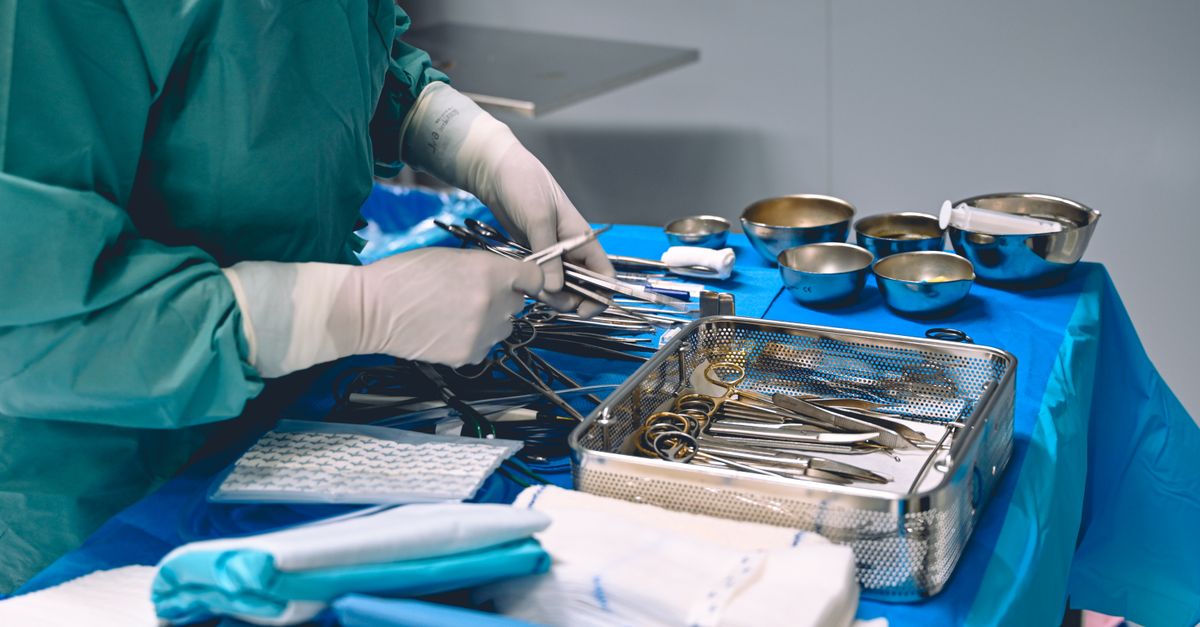
Robotic-assisted surgery has moved past the phase of conceptual renders and trade-show promises. The current market is defined by three platforms that have crossed the threshold from prototype to shipped hardware: Intuitive Surgical’s da Vinci system, Medtronic’s Hugo Robotic Surgery System, and CMR Surgical’s Versius. Evaluating these platforms requires a strict grading framework. Shipping hardware with documented clinical use ranks first. Pilot deployments in active hospitals rank second. Announcements, regulatory clearances, and software roadmaps rank last. This hierarchy prevents speculation from masking the reality of clinical integration, sterilization workflows, instrument wear, and service economics.
For Indian hospitals, the decision matrix is equally grounded. Procurement depends on CDSCO registration status, distributor networks, surgeon training pipelines, and the total cost of ownership. The following analysis grades each platform by deployment maturity, outlines technical specifications from manufacturer documentation, and provides approximate landed cost estimates for the Indian market. All pricing is flagged as an estimate and excludes long-term service contracts, which typically range from 15 to 22 percent of hardware cost annually.
da Vinci System: The Incumbent with Decades of Shipping Hardware
Deployment Grade: Shipping Hardware (First)
Intuitive Surgical’s da Vinci platform remains the baseline for robotic soft-tissue surgery. The company has shipped over 7,000 systems globally since commercialization, with continuous hardware iterations (X, Xi, SP, and Xi-S) documented in press releases and hospital procurement records. The system operates as a console-based master-slave architecture. The surgeon sits at an ergonomic console with stereoscopic 3D visualization and haptic-free control. The patient-side cart typically mounts four robotic arms: two for instruments with seven degrees of freedom (DOF), one for camera control, and one for auxiliary tasks. Instruments include wristed graspers, scissors, needle drivers, and electrocautery tools. The Vision 3D imaging system provides 10x magnification, and the Firefly fluorescence imaging module is available for vascular and biliary visualization.
Clinical evidence for da Vinci spans tens of thousands of peer-reviewed publications covering urology, gynecology, general surgery, and cardiothoracic procedures. Independent reporting consistently notes that procedural efficiency and oncologic outcomes are comparable to laparoscopy in standardized cases, with robotic assistance primarily improving dexterity, tremor filtration, and ergonomics for complex dissection. The platform’s strength lies in its mature instrument ecosystem, established training curriculum, and global service infrastructure.
India Availability and Pricing: The da Vinci system is available in India through authorized distributors and Intuitive’s direct channel. Deployments are concentrated in tier-1 metros including Delhi NCR, Mumbai, Bengaluru, Chennai, Hyderabad, and Pune. Approximate landed cost estimates for a four-arm system range from ₹18 crore to ₹22 crore, including import duties, GST, installation, and initial console calibration. This figure excludes annual service contracts, which typically add ₹2.5 crore to ₹4 crore per year. Hospitals commonly finance these purchases through equipment loans or vendor leasing arrangements with 3 to 5 year terms.
Hugo Robotic Surgery System: Shipping Hardware with Expanded Cart Configuration
Deployment Grade: Shipping Hardware (First)
Medtronic’s Hugo RAS platform received FDA clearance in 2021 for a single-arm configuration and expanded to a four-arm system in 2023. The platform is now shipping to commercial customers in North America and select international markets. Hugo operates as a cart-based system with a dedicated surgeon console and a patient-side cart that can mount up to four robotic arms. Each arm provides seven DOF, matching the kinematic range of conventional wristed instruments. The system integrates intraoperative imaging and supports standard laparoscopic trocars. Medtronic emphasizes modular arm placement, which allows flexible positioning in constrained operating rooms, and a unified software architecture designed to reduce vendor lock-in for peripherals.
Independent reporting and hospital pilot data indicate that Hugo’s learning curve aligns with other master-slave robotic systems. The platform’s advantage lies in its open instrumentation ecosystem and Medtronic’s existing surgical portfolio, which includes imaging, navigation, and energy devices. However, long-term instrument reliability data and global service coverage remain less mature than the incumbent. Pilot deployments in academic medical centers have focused on urological and general surgery cases, with procedural metrics tracking closely against established benchmarks.
India Availability and Pricing: Hugo RAS is entering the Indian market through strategic distribution partnerships and early hospital pilots. Deployments are limited to select tertiary care centers in Mumbai, Delhi, and Bengaluru as of 2024. Approximate landed cost estimates range from ₹15 crore to ₹18 crore for a four-arm configuration. The lower baseline compared to legacy systems reflects Medtronic’s market-entry pricing strategy. Service contracts and instrument pricing are still being finalized with local partners. Hospitals should expect a 12 to 18 month ramp period for surgeon certification and procedural volume buildup.
Versius: Modular Carts and Compact Footprint for Distributed Surgery
Deployment Grade: Shipping Hardware (First)
CMR Surgical’s Versius platform uses a distributed architecture. Instead of a single patient-side cart, Versius deploys four independent, compact robotic carts that can be positioned around the operating table. Each cart mounts one instrument with five DOF and a wristed end-effector. The system operates via a shared console or a tablet-based interface, allowing flexible console placement. Versius emphasizes modularity, allowing hospitals to scale robot count per theater and reposition carts between procedures. The system supports standard laparoscopic access and includes a 3D visualization module with fluorescence imaging options.
Independent reporting from CE-marked and FDA-cleared markets highlights Versius’s advantage in operating room flexibility and lower spatial requirements. The modular design reduces the footprint per robot and allows easier integration with existing anesthesia and imaging equipment. Clinical adoption has grown in urology, gynecology, and general surgery, with procedural data published in peer-reviewed journals demonstrating comparable ergonomics and dexterity to cart-based systems. Instrument sterilization protocols and cart maintenance schedules require standardized hospital workflows to avoid cross-contamination and downtime.
India Availability and Pricing: Versius is available in India through regional medical technology distributors and hospital group procurement channels. Deployments are active in tier-1 and tier-2 cities, including Ahmedabad, Chandigarh, Kolkata, and Coimbatore, with early commercial pilots in Hyderabad and Bengaluru. Approximate landed cost estimates range from ₹14 crore to ₹17 crore for a four-cart configuration. The modular pricing structure allows hospitals to purchase carts incrementally, though full four-cart deployment is standard for multi-specialty theaters. Annual service and instrument replacement costs are projected at ₹2 crore to ₹3 crore, depending on procedural volume and sterilization partnerships.
Grading Deployment Reality: Hardware, Workflow, and Consumables
The surgical robotics market is often misrepresented through keynote slides and software roadmaps. The actual bottleneck lies in hardware reliability, instrument turnover, and clinical workflow integration. Grading these platforms by deployment reality yields the following observations:
- Shipping Hardware Maturity: All three platforms have shipped commercial units with documented clinical use. da Vinci leads in global install base and instrument variety. Hugo and Versius have closed the gap in kinematic design but trail in long-term reliability data and global service coverage.
- Pilot Deployments: Hospitals running Hugo and Versius report faster OR turnover due to modular cart placement and reduced footprint. da Vinci remains the default for complex oncologic cases where instrument specialization is critical.
- Announcements and Software: Augmented reality overlays, AI-assisted tissue recognition, and autonomous suturing remain in pilot or regulatory review stages. These features do not alter current procurement decisions, which prioritize console ergonomics, instrument availability, and service SLAs.
- Consumables and Service Economics: Each platform uses proprietary instruments with limited reuse cycles. da Vinci instruments typically require replacement after 10 to 15 uses, Hugo and Versius follow similar turnover patterns. Service contracts cover preventive maintenance, calibration, and emergency response, with uptime guarantees ranging from 92 to 95 percent. Hospitals must budget for instrument pools, sterilization validation, and surgeon proctoring.
India Market Realities: Procurement, Regulation, and Training
Indian hospitals face distinct constraints when adopting surgical robots. CDSCO registration is mandatory for all three platforms, and import clearances require clinical trial data or equivalence documentation for certain instrument categories. Procurement committees prioritize total cost of ownership over hardware sticker price. Financing structures typically involve 60 to 70 percent debt and 30 to 40 percent equity, with equipment loans structured around procedural revenue projections.
Surgeon training follows a standardized pathway: simulator hours, cadaver labs, live proctoring, and independent case certification. Training centers in India are limited, with most programs hosted in partnership with manufacturer-accredited facilities in Mumbai, Delhi, and Bengaluru. Hospitals must allocate 6 to 9 months for credentialing before full OR integration.
Approximate landed cost estimates for Indian procurement are flagged as follows:
- da Vinci Xi/SP: ₹18 crore to ₹22 crore (hardware, duties, installation, calibration)
- Hugo RAS (4-arm): ₹15 crore to ₹18 crore (hardware, duties, installation, calibration)
- Versius (4-cart): ₹14 crore to ₹17 crore (hardware, duties, installation, calibration)
These figures exclude annual service contracts (₹2 crore to ₹4 crore), instrument pools (₹1.5 crore to ₹2.5 crore initial stock), and OR modification costs (anesthesia integration, radiation shielding, HVAC upgrades). Hospitals with existing multi-specialty infrastructure can reduce modification costs by 20 to 30 percent through phased deployment.
Conclusion: Hardware-First Procurement for Sustainable Integration
Surgical robotics in the soft-tissue field has reached a phase of hardware maturity. The da Vinci, Hugo, and Versius platforms all ship commercial units with documented clinical use, and the market has moved past speculative software promises. Indian hospitals must grade procurement decisions by deployment reality: instrument availability, service coverage, surgeon training pipelines, and total cost of ownership. Landed cost estimates provide a baseline, but sustainable integration depends on standardized sterilization workflows, proctoring programs, and phased OR adoption. The platforms that win in India will be those that align hardware reliability with clinical workflow economics, not those with the most aggressive marketing.
References
- Intuitive Surgical. (2024). da Vinci Surgical System Technical Specifications and Clinical Evidence. https://www.intuitive.com/en-us/da-vinci-surgical-system
- Medtronic. (2023). Hugo Robotic Surgery System FDA Clearance and Commercial Deployment Updates. https://www.medtronic.com/surgical-robotics/hugo-ras.html
- CMR Surgical. (2024). Versius Robotic Surgery Platform: Modular Architecture and Clinical Data. https://www.cmr-surgical.com/versius
- FDA. (2021). De Novo Classification Request for Hugo Robotic Surgery System. https://www.fda.gov/medical-devices/recently-approved-devices
- CDSCO. (2023). Medical Device Import Guidelines and Registration Requirements. https://cdsco.gov.in
- Independent Hospital Procurement Reports. (2024). Robotic Surgery Platform Adoption in Indian Tertiary Care Centers. https://www.healthcarefinancenews.com/news/robotic-surgery-india-procurement-trends
✓ Key takeaways
- •Hands-on view of Surgical Robots in Soft-Tissue Surgery: Hardware Maturity, Deployment Grading, and India Market Realities inside our Surgical Robots library.
- •Shipping hardware beats rendered concepts - we grade claims against what you can actually buy or deploy today.
- •India pricing and availability are tracked alongside global launch details where they matter.
Related articles
More in Surgical Robots →