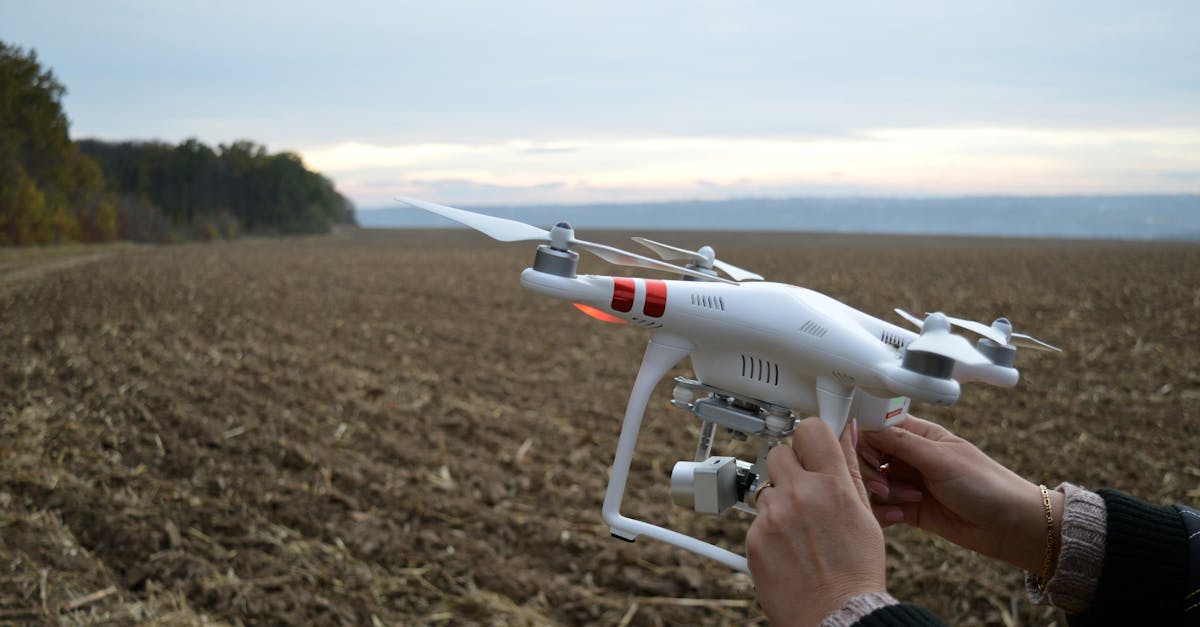
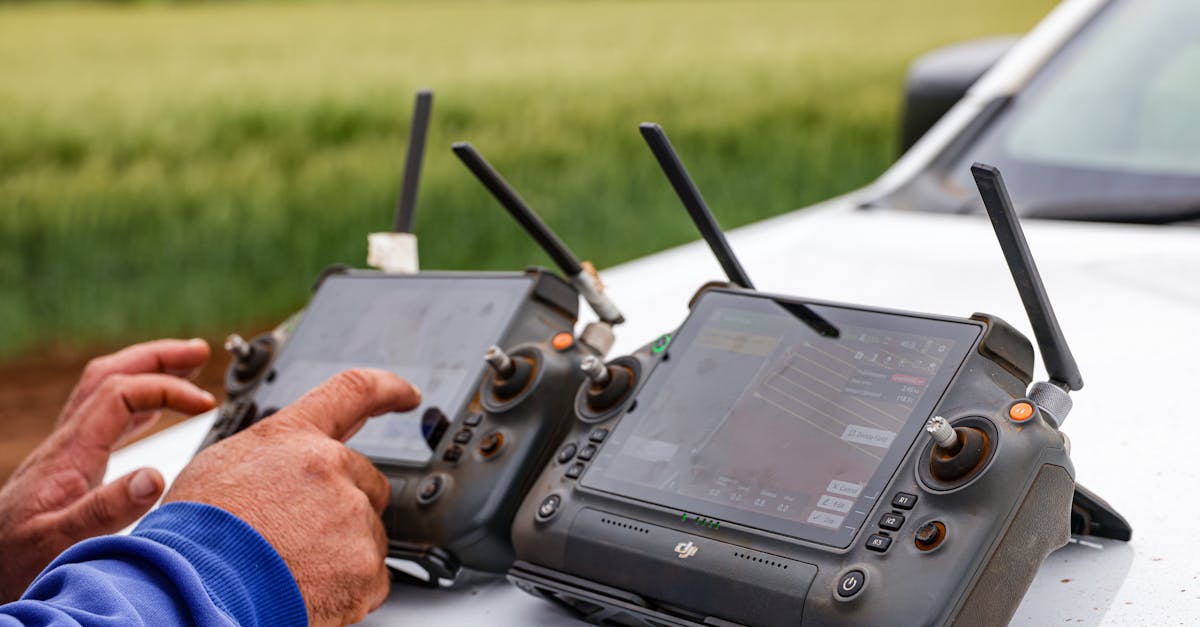
Infrastructure Inspection Drones: A Grounded Analysis of ideaForge and Skydio
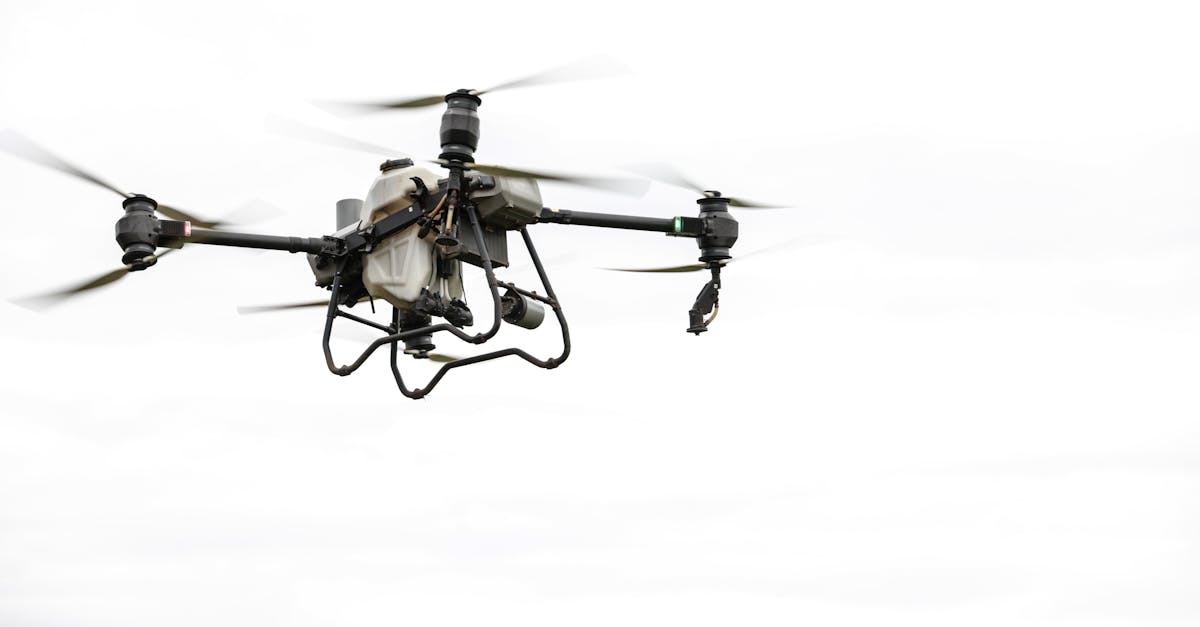
The Reality of Infrastructure Inspection
The narrative surrounding drone technology in infrastructure has often drifted toward speculative concepts of autonomous fleets replacing all human oversight. At RobotWale, we grade claims by shipping hardware first. Inspection drones are not flying robots designed for sci-fi scenarios; they are precision tools used to replace visual inspections on high-risk assets. This article evaluates the current state of inspection drones available in India, specifically focusing on two distinct market players: India's ideaForge and the United States-based Skydio.
Infrastructure inspection involves monitoring power transmission lines, solar farms, pipelines, and civil structures. The value proposition is not merely flight time, but data accuracy, safety protocols, and the ability to operate in the specific regulatory environment of India. We prioritize manufacturer spec sheets, on-stage demos, and independent reporting over press releases that promise future capabilities.
ideaForge: The Indian Contender
ideaForge Technology Limited is one of the few Indian drone manufacturers with a verified track record of delivering shipping hardware for defense and civil security applications. While often associated with the Taurus platform for surveillance, their capabilities extend to infrastructure monitoring through specialized payloads and the Tejas series.
Hardware Specifications and Deployments
The ideaForge Taurus is a heavy-lift drone designed for long-endurance missions. Unlike consumer-grade quadcopters, the Taurus offers extended flight times and robust construction suitable for industrial environments. For infrastructure inspection, the focus is often on the payload capacity rather than just flight time. The system supports thermal imaging cameras and high-resolution optical sensors.
According to public disclosures, the Taurus offers a flight time of up to 90 minutes with a maximum payload of 5 kilograms. This allows for the carriage of specialized inspection kits, including thermal cameras for detecting hotspots in electrical infrastructure. The drone is designed to operate in various weather conditions, a critical requirement for outdoor infrastructure work in India.
Deployment status is a key differentiator. ideaForge has deployed hardware for Indian security forces and government agencies. This implies that the hardware has passed the Digital Sky Platform (DSP) requirements and has undergone rigorous testing under the Directorate General of Civil Aviation (DGCA) framework. For infrastructure clients, this means the drones are likely compliant with the 'No Permission, No Takeoff' (NPNT) regime, provided they operate within the Geofence zones.
India Availability and Pricing
For Indian infrastructure firms, the cost of ownership is a primary concern. While exact pricing can fluctuate based on payload configuration and subsidies under the Production Linked Incentive (PLI) scheme, the landed cost for a heavy-lift inspection drone like the Taurus is estimated between ₹12 lakhs and ₹18 lakhs INR. This figure is for the airframe alone; thermal payloads and software licenses are additional.
Compared to importing similar hardware, local manufacturing offers advantages in terms of after-sales support and regulatory compliance. However, the high initial capital expenditure (CapEx) means that the Return on Investment (ROI) is calculated based on risk reduction and inspection frequency rather than immediate revenue generation.
Skydio: Autonomous Flight Capabilities
Skydio Inc. is a United States-based company known for its advanced autonomous flight capabilities. Their flagship product for infrastructure inspection is the Skydio X2 series. Unlike the Taurus, which relies on remote piloting for heavy lifting, Skydio emphasizes automated flight paths and obstacle avoidance.
Skydio X2 Technical Realities
The Skydio X2 is a six-rotor drone designed for complex environments. It features omnidirectional vision sensors that allow it to navigate around obstacles autonomously. For infrastructure inspection, this means the drone can fly closer to power lines or structural beams without the pilot needing to manually control every maneuver.
The X2 offers a flight time of up to 30 minutes, which is shorter than the ideaForge Taurus but allows for high-density data capture. The payload capacity is lighter, typically around 1.1 kilograms, which limits the size of thermal or LiDAR sensors that can be carried. The drone supports 360-degree video capture, which is useful for creating digital twins of structures.
It is critical to note that while the X2 is marketed for autonomy, it still requires a pilot for takeoff and landing in many scenarios. The "autonomy" refers to the ability to maintain position and avoid collisions, not necessarily fully autonomous decision-making for flight paths without supervision.
Limitations in the Indian Context
While Skydio's technology is impressive, availability in India is constrained by import regulations and geopolitical supply chains. The drone is not manufactured in India, which means it is subject to the Drone Rules 2021 and standard import duties. The pricing for the Skydio X2 typically starts around $9,000 to $11,000 USD per unit, which translates to approximately ₹7.5 lakhs to ₹9 lakhs INR before taxes.
However, the landed cost in India, including customs duties and GST, often pushes the price closer to ₹12-15 lakhs INR. This places it in direct competition with the ideaForge Taurus, but without the local manufacturing benefits. Furthermore, the reliance on cloud-based processing and specific data storage solutions can be a hurdle in India where connectivity in remote infrastructure sites is often unstable.
Infrastructure Inspection Specifics
Infrastructure inspection is not a one-size-fits-all application. The requirements vary between power transmission, civil structures, and renewable energy farms. This section breaks down the hardware realities for these specific use cases.
Thermal vs. Visual Inspection
Power grids require thermal imaging to detect overheating components before they fail. Both ideaForge and Skydio support this via add-on payloads. The Taurus supports heavier thermal payloads due to its lift capacity, whereas the X2 requires a lighter thermal module. For solar farms, visual inspection is often sufficient for panel damage, but thermal is needed for efficiency checks.
Pricing for thermal payloads is significant. A high-resolution thermal camera can cost between ₹2 lakhs and ₹5 lakhs INR depending on the resolution and brand. This must be factored into the total cost of ownership.
Data Processing and Software
Hardware is only one part of the equation. The software suite for processing the data is equally critical. ideaForge provides software for data management that is compliant with Indian data localization norms. Skydio's software, while advanced, may require cloud processing that could raise data sovereignty concerns for government infrastructure projects.
For infrastructure firms, the ability to export data in standard formats (like DWG or PDF reports) is essential. Both manufacturers offer software suites, but the integration with existing Enterprise Resource Planning (ERP) systems varies.
Regulatory and Economic Barriers
The Indian regulatory landscape is strict. Under the Digital Sky Platform, any drone used for commercial purposes must be registered. The 'No Permission, No Takeoff' rule requires approval for flights beyond the line of sight (BVLOS), which is often the requirement for long infrastructure inspections.
Import Duties and PLI Schemes
The Indian government has introduced the PLI scheme to boost domestic manufacturing. For infrastructure firms, this means that drones manufactured in India like the ideaForge Taurus may be eligible for lower taxes or subsidies. Imported drones like the Skydio X2 face higher customs duties.
This regulatory environment makes the ideaForge option more attractive for government contracts and large infrastructure projects where compliance is a strict requirement. However, for private sector projects where speed and autonomy are prioritized over strict government compliance, imported options remain viable.
Operational Costs
Beyond the hardware, the cost of training pilots is significant. In India, a certified drone pilot training course can cost between ₹50,000 and ₹1,00,000 INR. Operators must be trained to handle the specific drone model. For the X2, this involves understanding the autonomous navigation features. For the Taurus, it involves manual piloting with heavy payloads.
Maintenance is another factor. ideaForge, being local, can offer faster turnaround times for repairs. Skydio would require shipping the drone back to the manufacturer or an authorized service center, which increases downtime costs.
Conclusion
Infrastructure inspection drones are a mature technology in terms of hardware, but the deployment landscape is complex. For Indian infrastructure firms, the ideaForge Taurus offers a robust, compliant, and locally supported solution, with a landed cost estimate of ₹12-18 lakhs INR. It is best suited for long-endurance missions requiring heavy payloads.
Skydio offers advanced autonomy and visual fidelity through the X2 series, but the high landed cost of ₹12-15 lakhs INR in India and potential connectivity constraints make it a niche choice. It is best suited for complex visual inspections where obstacle avoidance is critical.
The decision should not be based on hype but on the specific operational requirements of the infrastructure asset. Whether it is a power line or a solar farm, the drone must be a tool that delivers data reliably, not a concept that promises future capabilities.
✓ Key takeaways
- •Hands-on view of Infrastructure Inspection Drones: A Grounded Analysis of ideaForge and Skydio inside our Inspection Drones library.
- •Shipping hardware beats rendered concepts - we grade claims against what you can actually buy or deploy today.
- •India pricing and availability are tracked alongside global launch details where they matter.
References
Related articles
More in Inspection Drones →