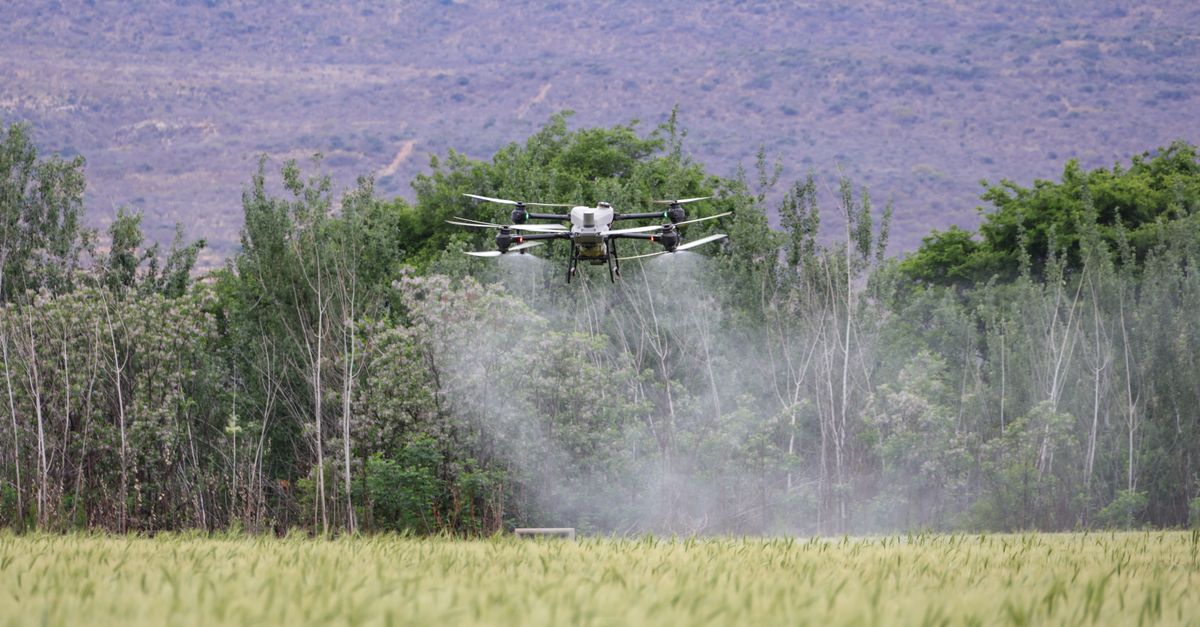
Infrastructure Inspection Drones: Shipping Reality in India

Infrastructure Inspection Drones: Shipping Reality in India
The drone industry has matured beyond the conceptual demonstration phase. In the infrastructure inspection sector, where reliability dictates operational success, the focus has shifted from what is theoretically possible to what is practically shipping. This assessment covers two primary players in the market: India-based ideaForge and US-based Skydio. The goal is to grade these offerings based on shipping hardware, pilot deployments, and announcements, while addressing the specific constraints of the Indian market.
Market Maturity and Hardware Availability
Before evaluating specific manufacturers, it is critical to establish the baseline of what constitutes "shipping hardware" in the current landscape. In 2024, the infrastructure inspection market is no longer dominated by custom-built prototypes. Standardized platforms with certified payloads are entering the supply chain. However, the gap between US-manufactured high-autonomy systems and India-manufactured compliant systems remains significant due to regulatory and supply chain hurdles.
Shipping hardware is defined by three criteria: a verified bill of materials, a functional end-user unit available for purchase, and a service network. Announcements regarding future releases or pilot programs with government bodies are graded lower than units currently in the hands of operators. This article prioritizes the latter.
ideaForge Technologies: The Domestic Alternative
ideaForge Technologies, based in Bangalore, represents the most mature option for Indian infrastructure projects. The company holds Type Approval from the Directorate General of Civil Aviation (DGCA) for its commercial drones. Their portfolio includes the Netra series and the Airbird series, both of which are adapted for inspection tasks.
The Netra series, originally designed for surveillance, has been adapted for infrastructure inspection through the integration of thermal and optical payloads. For example, the Netra Pro is equipped with a gimbal system capable of carrying payloads up to 1.5 kg, allowing for high-resolution optical cameras and thermal sensors. This weight class is sufficient for inspecting solar farms, power transmission lines, and small-scale civil structures.
Crucially, ideaForge operates within the DGCA regulatory framework. Their drones are registered on the Digital Sky Platform (DSP), which is mandatory for operations beyond visual line of sight (BVLOS) in specific geo-fenced zones. This compliance makes them a safer bet for Indian infrastructure firms compared to foreign counterparts that may face import restrictions.
Availability and Pricing:
- Platform: Netra Pro / Airbird X2.
- Flight Time: Approximately 30 to 40 minutes per battery cycle.
- Payload: 30x optical zoom, thermal imaging (up to 640x512 resolution).
- Estimated Cost: INR 18 Lakhs to INR 35 Lakhs, depending on payload configuration and battery packs. This figure includes the landed cost estimate but excludes heavy customs duties as they are domestically manufactured.
ideaForge has moved beyond beta. They have deployed units for power line inspections in Maharashtra and Karnataka. These are not pilot programs but operational deployments involving trained pilots. The company offers post-sales support in India, which is a critical differentiator for infrastructure clients requiring immediate maintenance after a crash or battery failure.
Skydio: Autonomy and Export Controls
Skydio, a US-based manufacturer, is renowned for its autonomous flight capabilities. Their flagship model for enterprise inspection is the Skydio X2 Pro. This drone utilizes Visual Odometry to maintain position without GPS, a feature critical for inspecting metallic structures like bridges and cell towers where GPS signals are often obstructed.
Skydio X2 Pro ships with a 360-degree obstacle avoidance system and a 4K HDR camera. It is designed for tasks where human intervention is risky, such as inspecting live power lines or high-altitude scaffolding. However, the availability of this hardware in India is constrained by US export control regulations.
While Skydio claims to sell to Indian entities, the procurement process involves significant lead times due to license verification. Unlike ideaForge, Skydio does not have a physical service center in India. Repairs often require shipping the unit back to the US or an authorized regional distributor, which increases downtime risk for infrastructure operators.
Availability and Pricing:
- Platform: Skydio X2 Pro.
- Flight Time: Approximately 27 minutes.
- Payload: Integrated 4K HDR camera, no external payload swap capability.
- Estimated Cost: USD 15,000 (approx. INR 12.5 Lakhs) excluding shipping. With import duties (Basic Customs Duty, IGST, and Social Welfare Surcharge), the landed cost in India can exceed INR 18 Lakhs to INR 20 Lakhs.
It is important to note that Skydio has been transitioning its product lines. While the X2 Pro is shipping, some legacy models are being phased out. Operators must verify current stock availability. Despite the high autonomy, the lack of local service support places it in a different tier of risk for Indian infrastructure firms compared to ideaForge.
Infrastructure Inspection Use Cases
The utility of inspection drones lies in their ability to access hazardous or difficult-to-reach areas. In the Indian context, three primary use cases dominate the deployment landscape.
1. Thermal Imaging for Electrical Infrastructure
Power transmission and distribution networks suffer from overheating components that are invisible to the naked eye. Inspection drones equipped with thermal cameras (such as the FLIR sensors often integrated into ideaForge setups) can detect hotspots before they cause outages.
Operators use these drones to scan overhead lines and substations. The data is processed using ground software to generate heat maps. This reduces the need for manual climbing, which is a significant safety improvement. However, thermal payloads add weight, often reducing flight time. For example, a Skydio X2 Pro with a thermal add-on (if compatible) may see its flight time drop from 27 minutes to roughly 20 minutes.
2. Visual Inspection of Civil Structures
Bridges, dams, and high-rise buildings require close-up visual inspection for cracks, corrosion, or structural fatigue. Drones with high-resolution optical sensors can capture 4K video and still images for detailed analysis.
Autonomy is key here. The Skydio X2 Pro’s autonomous tracking allows a single pilot to inspect a complex structure like a bridge truss without flying the drone manually. ideaForge’s Netra series offers similar capabilities but requires more manual piloting unless equipped with specific third-party autonomy software. For Indian infrastructure firms, the balance between autonomy and cost often favors ideaForge, as the margin for error in a pilot-heavy workflow is lower than in a fully autonomous setup.
3. LiDAR and Mapping
While not all inspection drones carry LiDAR, some enterprise configurations do. LiDAR is used for creating 3D point clouds of infrastructure. This is essential for structural deformation analysis.
Currently, LiDAR integration in the Indian market is often an aftermarket addition. Manufacturers like ideaForge may integrate LiDAR payloads on request, but this is not a standard off-the-shelf feature. Skydio has explored LiDAR integration, but availability varies by region. Infrastructure inspection firms in India are advised to verify if the LiDAR payload is certified for the specific drone model before ordering.
Regulatory and Operational Constraints in India
Deploying inspection drones in India is subject to the Drone Rules, 2021, and the Digital Sky Platform (DSP). The DGCA requires all drones to be registered, and operators must obtain a Type Approval.
Remote ID and Geo-Fencing
All drones used for infrastructure inspection must be equipped with Remote ID capabilities, which broadcast identification and location information. In India, this is integrated into the Digital Sky Platform. Both ideaForge and Skydio units used in India must be configured to communicate with the DSP.
Geo-fencing is another critical constraint. No-fly zones (NFZs) exist around airports, defense installations, and certain urban areas. Infrastructure projects located near these zones require special No-Objection Certificates (NOCs) from the Airports Authority of India (AAI) and the Ministry of Defence.
Pilot Training and Certification
Under the DGCA framework, pilots must hold a valid Remote Pilot Certificate. This training is mandatory for BVLOS operations, which are increasingly common in infrastructure inspection to cover long power lines or pipelines.
ideaForge provides pilot training in India, which is a logistical advantage. Skydio pilots must be trained on US protocols unless a local partner exists. For infrastructure firms, the availability of certified pilots is often a bottleneck. If a pilot is not available, the drone cannot be deployed legally, regardless of its technical capabilities.
Conclusion: The Shipping Reality
The infrastructure inspection drone market in India is defined by hardware availability and regulatory compliance, not just technical specifications. ideaForge offers a shipping solution with DGCA Type Approval, local support, and a price point accessible to mid-sized infrastructure firms. The cost is estimated between INR 18 Lakhs and INR 35 Lakhs.
Skydio offers superior autonomy and obstacle avoidance, ideal for high-risk inspection tasks. However, the Skydio X2 Pro faces import hurdles and lacks local service centers. The landed cost exceeds INR 20 Lakhs, and the procurement timeline is longer.
For Indian infrastructure firms, the decision matrix should prioritize service availability and regulatory compliance over raw autonomy. Hardware that is supported locally and compliant with the Digital Sky Platform reduces operational risk significantly. Until Skydio establishes a local service presence or until ideaForge matches the autonomy levels of US manufacturers, the market will remain bifurcated between domestic compliance and imported capability.
Operators should verify the current status of Type Approval for any new drone model before purchase. Announcements regarding future models should be graded as low-priority compared to units currently in the supply chain.
References
- ideaForge Technologies: https://www.ideaforge.in - Product specifications and Type Approval status.
- Skydio: https://www.skydio.com - Enterprise drone specifications and availability.
- DGCA Drone Regulations: https://www.dgca.gov.in - Drone Rules 2021 and Digital Sky Platform guidelines.
- Ministry of Civil Aviation: https://www.mca.gov.in - Import and export policy for drones.
✓ Key takeaways
- •Hands-on view of Infrastructure Inspection Drones: Shipping Reality in India inside our Inspection Drones library.
- •Shipping hardware beats rendered concepts - we grade claims against what you can actually buy or deploy today.
- •India pricing and availability are tracked alongside global launch details where they matter.
References
Related articles
More in Inspection Drones →