Inspection Drones: Grounded Assessment of ideaForge and Skydio for Infrastructure

The Shift from Manual to Autonomous Inspection
Industrial inspection has traditionally relied on manual crews, often placing personnel at risk in high-altitude or hazardous environments. The transition to autonomous aerial vehicles (UAVs) is not merely a technological upgrade but a safety imperative. However, the market is saturated with concepts that have not yet shipped. This assessment grades claims by the presence of shipping hardware, pilot deployments, and announcements.
While many vendors promise fully autonomous flight, the reality is often a mix of assisted flight and onboard processing. Manufacturers must be graded on whether they deliver flight time, payload capacity, and sensor accuracy in a ruggedized form factor. We prioritize hardware that has entered the supply chain over those releasing concept renders.
Hardware Reality Check: ideaForge vs. Skydio
Two manufacturers stand out in the current infrastructure landscape due to their hardware maturity and deployment history. ideaForge, based in India, and Skydio, based in the United States, represent different approaches to the same problem.
ideaForge’s Indian Advantage
ideaForge’s Thermo-X and the newer Puma series are designed for rugged environments. The Thermo-X features dual sensors: high-resolution thermal and visible light cameras. This allows for simultaneous detection of thermal anomalies in electrical lines and visual identification of physical defects. The drone supports up to 30 minutes of flight time per battery pack.
The company has demonstrated deployments with power utilities in India. These deployments are not just pilots but operational contracts. The ruggedized design includes IP54 ratings for dust and water resistance. This is critical for outdoor infrastructure where weather conditions are unpredictable.
ideaForge also offers the X-8, a multi-rotor platform capable of carrying heavier payloads. This flexibility allows for LiDAR integration for 3D mapping. The company focuses on the Indian ecosystem, ensuring parts availability and localized support. This is a significant differentiator compared to global competitors who rely on third-party distributors.
Skydio’s Autonomy Stack
Skydio focuses on obstacle avoidance and autonomous path planning. The Skydio X2 and X10 models utilize onboard AI to navigate complex structures without GPS. This is essential for bridge inspections where signal loss is common.
Skydio’s hardware is shipping, but availability varies by region. In India, Skydio is not directly distributed by the manufacturer but is available through third-party vendors. This impacts warranty and support logistics. The flight time is generally around 25 minutes for the X2.
Neither company claims fully autonomous inspection without a human in the loop for critical decision-making. Both require certified pilots to oversee operations. This aligns with current regulatory frameworks that prioritize safety over full autonomy.
Skydio’s software stack includes AI-driven object detection. However, the hardware remains the primary constraint. Battery life, wind resistance, and sensor payload capacity determine the utility in the field.
Infrastructure Use Cases: Power, Solar, Bridges
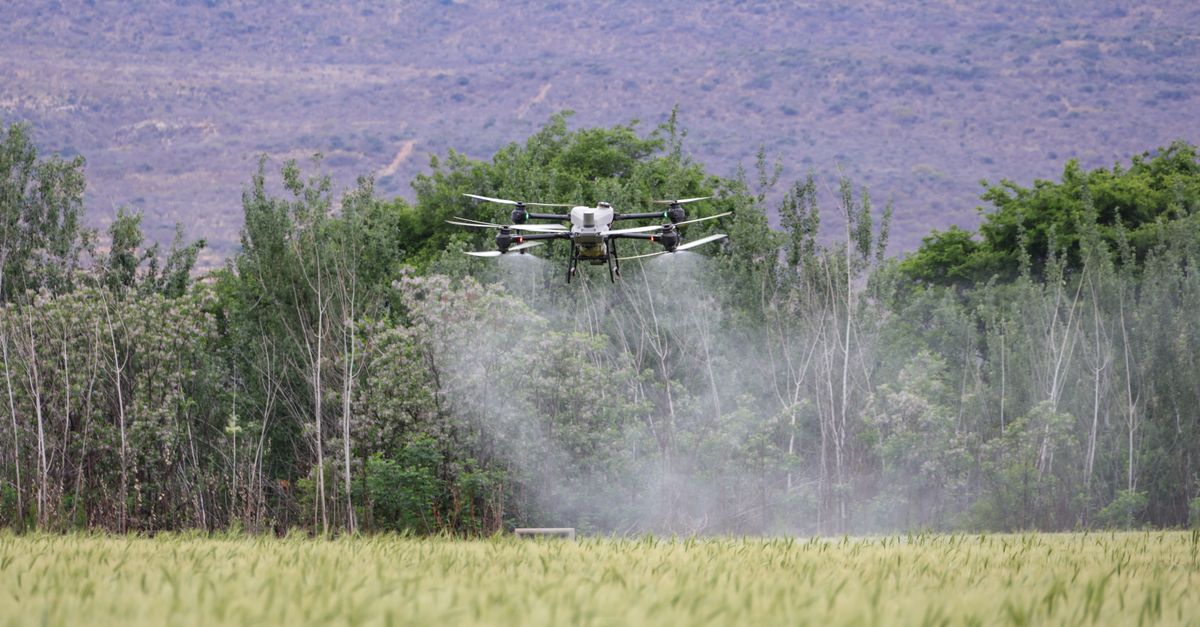
Power lines are the primary target. Thermal imaging detects hot spots before failure. Visual inspection identifies corrosion or loose components. Solar farms require rapid scanning of large arrays. Bridges require 3D mapping which LiDAR or high-resolution photogrammetry provides.
- Power Transmission: Thermal anomaly detection is the core use case. Delays in detection lead to outages.
- Solar Farms: Inverted panel mapping. Requires high-resolution optical sensors.
- Bridges: Close-proximity inspection. Obstacle avoidance is critical.
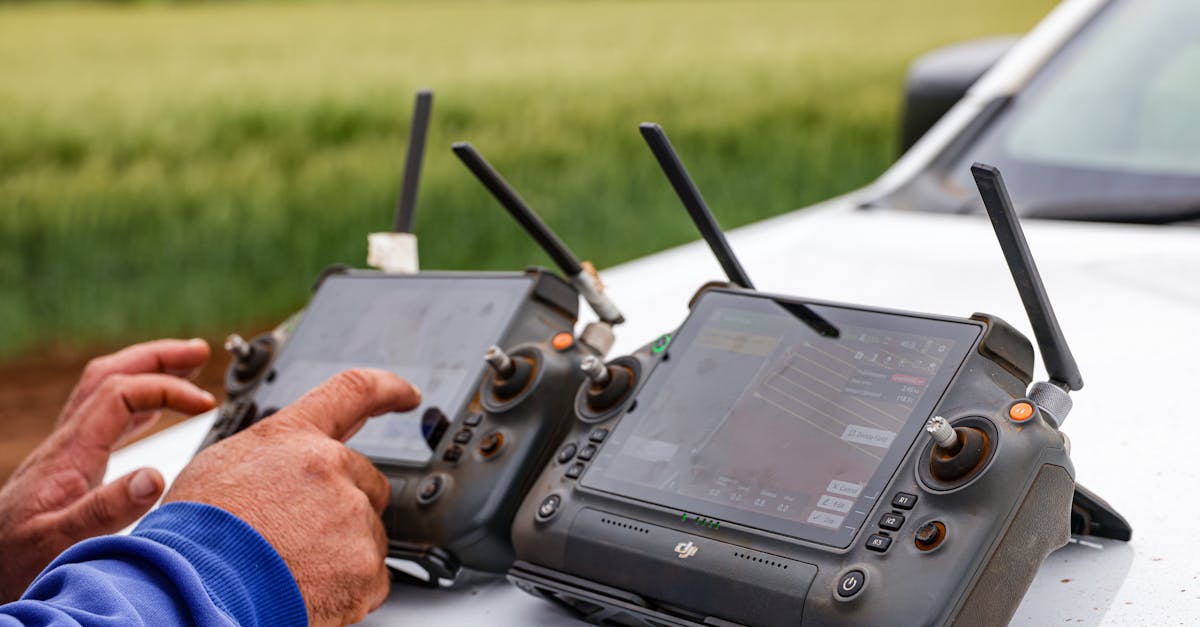
The inspection process often involves pre-programmed flight paths. The drone follows the path while the operator monitors the feed. This reduces the skill required for the pilot but increases the reliance on the drone’s flight controller.
Weather conditions limit operations. High winds can ground drones. Rain can damage sensors. Both manufacturers claim IP ratings, but long-term exposure to moisture remains a risk.
India Availability and Cost Estimates
For Indian buyers, cost is a significant factor. Land cost includes import duties, GST, and logistics. ideaForge prices are competitive domestically.
Approximate landed costs:
- ideaForge Thermo-X: Approx INR 15-20 Lakhs (Base model).
- Skydio X2: Approx INR 35-40 Lakhs (Imported).
These are estimates. Actual costs depend on the distributor and included accessories like extra batteries.
Operational costs include battery replacement. Lithium batteries degrade over time. Replacing a battery pack costs a significant portion of the initial investment.
Training is another cost. Certified pilots are required. Training programs cost between INR 50,000 to INR 1 Lakh.
Regulatory Landscape (DGCA)
The Directorate General of Civil Aviation (DGCA) regulates drone use. The Digital Sky Platform requires registration. Remote Pilot License (RPL) is mandatory for commercial operations.
Drone Policy 2021 has liberalized sectors, but no-fly zones remain. Infrastructure near airports is restricted. This limits deployment for certain power lines.
Permits are required for Beyond Visual Line of Sight (BVLOS) operations. This is a major hurdle for large-scale infrastructure projects.
Registration fees are nominal, but compliance is strict. Operators must maintain logs of flight data. This ensures accountability.
Pilot Deployment vs. Announcement
Many vendors announce features that are not yet available. We prioritize hardware that has entered the supply chain. ideaForge has delivered units to utilities. Skydio has delivered units to defense and commercial clients.
Announcements regarding software updates are common. Hardware updates are less frequent. Buyers should verify the software version before purchase.
Conclusion
The inspection drone market is maturing. Hardware is shipping, but software autonomy is evolving. Buyers should focus on hardware durability and support networks. India’s regulatory framework is stabilizing, making commercial deployment feasible.
Future growth depends on battery technology and regulatory relaxation for Beyond Visual Line of Sight (BVLOS) operations.
For now, the choice is between domestic support and international hardware. ideaForge offers the former. Skydio offers the latter. Both are viable depending on the requirement.
✓ Key takeaways
- •Hands-on view of Inspection Drones: Grounded Assessment of ideaForge and Skydio for Infrastructure inside our Inspection Drones library.
- •Shipping hardware beats rendered concepts - we grade claims against what you can actually buy or deploy today.
- •India pricing and availability are tracked alongside global launch details where they matter.
References
Related articles
More in Inspection Drones →