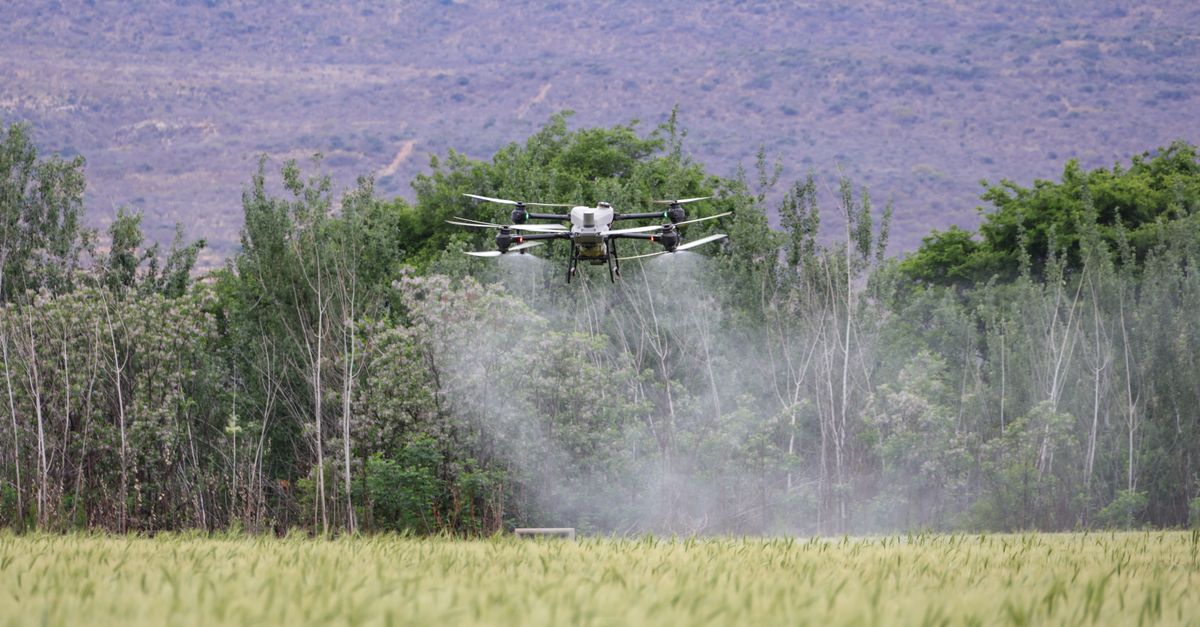
Inspection Drones: Hardware Reality and Infrastructure Deployment
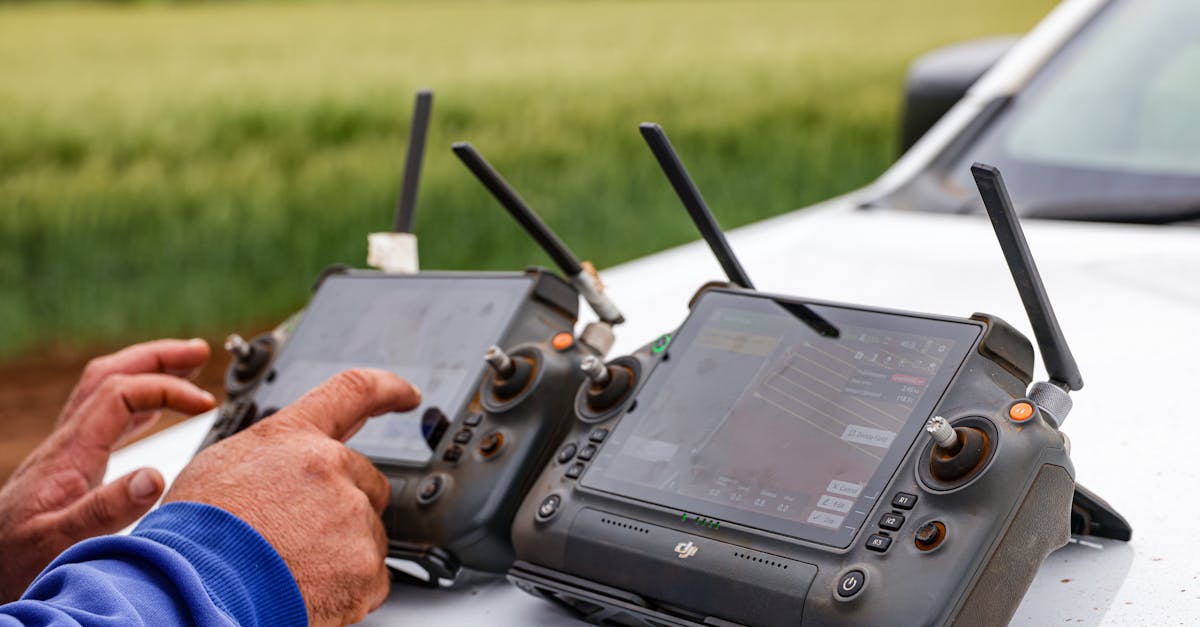
Inspection Drones: Hardware Reality and Infrastructure Deployment
Inspection drones occupy a distinct tier within the broader unmanned aerial systems market. Unlike delivery or agricultural platforms that prioritize payload capacity or swarm coordination, inspection drones are engineered for precision flight control, sensor integration, autonomous waypoint navigation, and high-fidelity data capture. The category is frequently overstated in vendor marketing, but shipping hardware remains the only reliable metric for assessing readiness. This article grades inspection drones by deployed airframes, validated payloads, and documented pilot outcomes, with specific attention to ideaForge and Skydio, and their applicability to Indian infrastructure sectors.
Defining the Inspection Drone Category
Inspection drones are defined by their operational envelope and sensor architecture rather than airframe size alone. Typical configurations include multirotor platforms with RTK-enabled positioning, optical zoom cameras, thermal imagers, and sometimes compact LiDAR or gas sensors. Flight endurance generally ranges from 25 to 45 minutes, with some fixed-wing or hybrid models extending that to 60+ minutes for linear assets like power lines or pipelines. The core value proposition is replacing manual climb-and-visual inspection with repeatable, geotagged, and analyzable flight data.
Hardware maturity in this category is measured by three factors: DGCA or EASA type certification status, closed-loop autonomy validation (obstacle avoidance, precision hover, automated path following), and payload interchangeability. Vendors that ship certified airframes with documented payload integration logs meet the highest tier. Those relying on third-party flight controllers or unvalidated autonomy stacks fall into the pilot or announcement phase.
Grading Claims by Shipping Hardware
The inspection drone market is segmented by claim tier. Shipping hardware represents the first tier and includes platforms with documented delivery, operator training completion, and mission logs. Pilot deployments form the second tier, where units are deployed in controlled environments but lack long-term reliability data. Announcements occupy the third tier and should be treated as development roadmaps rather than procurement options.
When evaluating inspection drones, prioritize the following verified attributes:
- Published weight and dimensions for transport and storage logistics
- RTK accuracy specifications and initialization times
- Camera sensor size, optical zoom range, and thermal sensitivity (NETD)
- Autonomy stack certification status and fail-safe behaviors
- Proprietary vs. open payload mounting standards
- Operator training requirements and software licensing models
Hardware that meets these criteria enables predictable deployment. Platforms that lack them introduce operational risk, particularly in regulated infrastructure environments.
ideaForge: Domestic Supply Chain and Proven Payloads
ideaForge Systems has transitioned from tactical military drones to civilian inspection platforms through its INSPECT series and Kite-family derivatives. The company holds DGCA type certification for its airframes, which simplifies Indian regulatory compliance. ideaForge's inspection hardware is built around modular payload bays that accept optical, thermal, and LiDAR modules from domestic and international manufacturers. The airframes emphasize ruggedized construction, IP54-rated enclosures, and cold-weather battery management, reflecting operational requirements across Indian terrain.
ideaForge's inspection deployments have been documented in power distribution networks, solar parks, and industrial facilities. The company provides operator training, mission planning software, and data processing pipelines that integrate with existing GIS and asset management systems. Because the supply chain is domestic, spare parts availability and maintenance turnaround are shorter than imported alternatives. The hardware is classified as shipping-grade, with documented unit deliveries and operational logs available through authorized distributors.
Skydio: Autonomous Flight and Export Constraints
Skydio's X10E and X2D models represent a different engineering approach. The company prioritizes computer vision-based autonomy, enabling GPS-denied or degraded navigation through real-time obstacle mapping. The X10E introduces replaceable rotor arms and modular battery systems, reducing single-point failure risk. Skydio's autonomy stack has been validated in controlled industrial environments, including bridge underpasses and transmission corridors.
Direct import of Skydio hardware into India faces regulatory and export control constraints. US export regulations restrict certain autonomy stacks, and Indian DGCA rules require type certification or temporary import permits for foreign UAS. Consequently, Skydio units enter the Indian market through channel partners who handle customs, type approval documentation, and local service agreements. The hardware is classified as shipping-grade, but availability depends on partner inventory and regulatory clearance timelines.
Infrastructure Use Cases: Power, Bridges, and Solar
Inspection drones address three primary infrastructure segments in India:
- Transmission and distribution lines: Thermal imaging for hotspot detection, optical zoom for insulator and conductor wear analysis, and automated corridor mapping for right-of-way verification.
- Bridges and civil structures: Close-range obstacle-aware flight for pier inspection, expansion joint assessment, and concrete spalling documentation. LiDAR adds structural deformation tracking.
- Solar and wind farms: Panel-level thermal mapping for micro-crack detection, inverter station inspection, and turbine blade visual assessment. Repeatable flight paths enable trend analysis over time.
Successful deployment requires mission planning that accounts for wind shear, electromagnetic interference near substations, and no-fly zone restrictions near airports and defense installations. Data processing pipelines must handle gigapixel imagery, thermal overlays, and geotagged metadata for integration with CMMS or ERP systems.
India Availability and Approximate INR Pricing
Availability and pricing in India vary by manufacturer, localization level, and payload configuration. Domestic airframes benefit from PLI scheme incentives and reduced import duties on fully built units. Imported platforms face standard customs duties, IGST, and potential type approval delays.
Approximate landed cost estimates (flagged as distributor-quoted or customs-calculated estimates) for inspection-ready systems in India include:
- ideaForge INSPECT series: ₹65–90 lakh for a configured system including RTK base station, primary optical/thermal payload, mission software license, and operator training.
- Skydio X10E/X2D: ₹18–24 lakh for the base airframe, plus ₹10–15 lakh for imported payloads, type approval documentation, and channel partner markup.
- Third-party payload modules: ₹8–15 lakh depending on sensor class and calibration requirements.
These figures exclude annual software subscriptions, spare parts kits, and insurance premiums, which typically add 15–20% to total cost of ownership. Procurement decisions should weigh localization benefits, service response times, and regulatory compliance costs against autonomy features.
Regulatory and Operational Realities
Indian inspection drone operations fall under DGCA Drone Rules 2021 and the Digital Sky platform. Key requirements include:
- Type certification from an authorized testing agency
- Unique Identification Number (UIN) for each airframe
- Remote Pilot Certificate for operators
- No-Objection Certificates for restricted zones
- BVLOS waivers for corridor inspection missions
Operational risk is managed through standardized checklists, weather monitoring, and data validation protocols. Vendors that provide pre-flight diagnostic tools, post-mission data quality reports, and maintenance scheduling software reduce downtime. Platforms that lack these features require additional operational overhead and increase inspection cycle times.
Inspection drones are industrial tools that deliver measurable ROI when deployed for repetitive, high-risk, or data-intensive tasks. The market is maturing, but procurement must remain grounded in shipped hardware, certified airframes, and documented mission performance. Domestic supply chains offer faster deployment and lower regulatory friction, while foreign platforms provide alternative autonomy stacks at the cost of import complexity and longer service lead times.
References
ideaForge Systems. (2024). INSPECT Series Product Specifications. https://www.ideaforge.in/inspect
Skydio. (2024). X10E Enterprise Drone Specifications. https://www.skydio.com/x10e
DGCA. (2021). Drone Rules, 2021 and Technical Standards for Drones. https://dgca.gov.in
Ministry of Civil Aviation. (2023). PLI Scheme for Advanced Chemistry Cell and Drone Manufacturing. https://dipp.gov.in
Drone Industry Insights. (2024). Inspection Drone Market Analysis and Deployment Metrics. https://droneindustryinsights.com
✓ Key takeaways
- •Hands-on view of Inspection Drones: Hardware Reality and Infrastructure Deployment inside our Inspection Drones library.
- •Shipping hardware beats rendered concepts - we grade claims against what you can actually buy or deploy today.
- •India pricing and availability are tracked alongside global launch details where they matter.
Related articles
More in Inspection Drones →