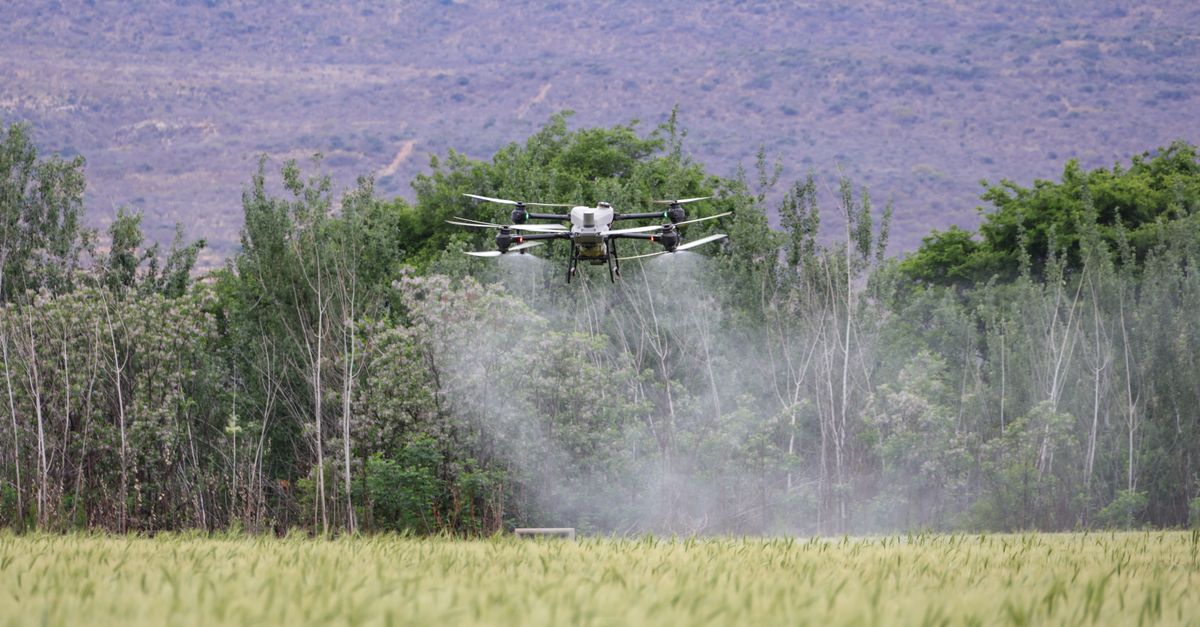
Hard-Realities of Inspection Drones: ideaForge, Skydio and Infrastructure
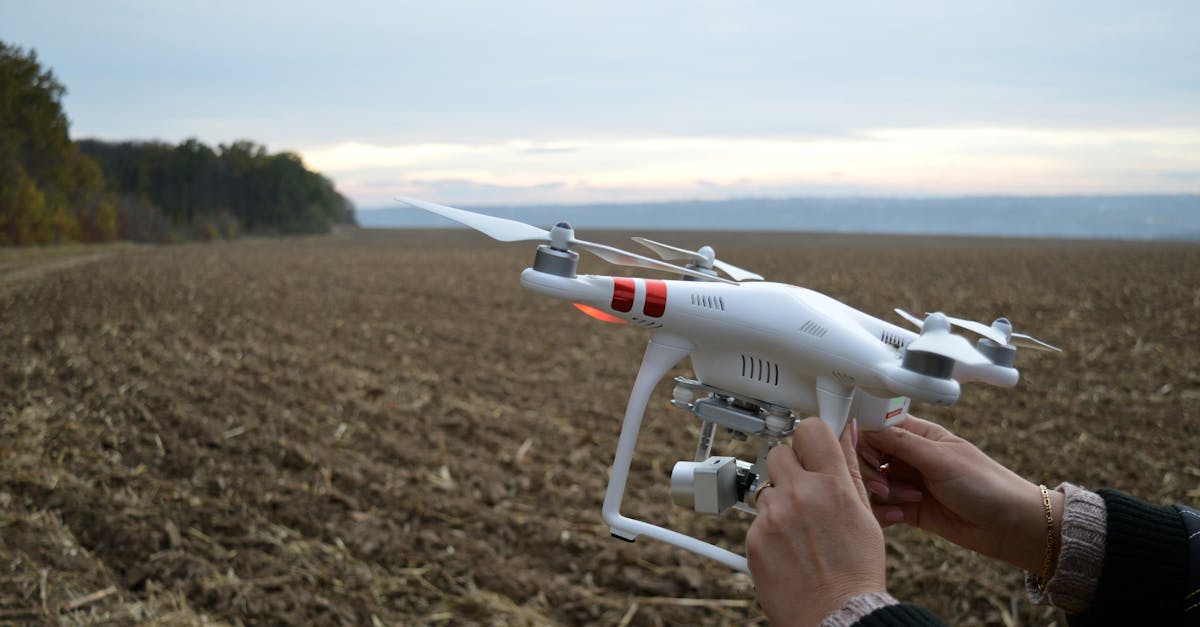
The Shift from Concept to Hardware
The narrative surrounding inspection drones has often been driven by marketing materials rather than deployed fleets. For years, the sector promised autonomous navigation, high-resolution thermal imaging, and long-endurance flight capabilities that remained largely theoretical. However, as of late 2023 and into 2024, the market has bifurcated into two distinct realities: manufacturers with shipping hardware and pilot deployments versus those with renderings and press releases. At RobotWale, we grade claims by shipping hardware first, pilot deployments second, and announcements last. This article focuses strictly on the former, examining the tangible assets available to Indian infrastructure operators.
Inspection drones are no longer merely cameras on a gimbal. They are autonomous sensor platforms designed to replace human labor in hazardous environments. The demand is driven by the aging infrastructure of power transmission lines, sprawling solar farms, and complex oil and gas pipelines. The technology required to service these assets must withstand wind shear, resist electromagnetic interference, and operate beyond visual line of sight (BVLOS) under strict regulatory frameworks.
ideaForge: India's Domestic Standard
When discussing the Indian market, ideaForge Technology Pvt Ltd stands out as the primary vendor with verified shipping hardware. Unlike many global competitors that rely on third-party distributors, ideaForge has established a localized supply chain, making it a critical reference point for cost and availability in India.
The ideaForge Thar
The ideaForge Thar is a VTOL (Vertical Take-Off and Landing) drone designed for heavy payloads. It is not a toy; it is a fixed-wing hybrid aircraft. The Thar carries a maximum take-off weight (MTOW) of 20kg, allowing it to carry significant payloads including LiDAR, high-resolution cameras, and thermal sensors. Its flight time is rated at up to 60 minutes, with a range of 40km.
For infrastructure inspection, the Thar’s endurance is the primary selling point. A single charge can cover tens of kilometers of transmission lines. The payload capacity allows for the integration of specialized inspection kits, such as the Thar’s proprietary inspection module which captures high-definition imagery and thermal data simultaneously. This dual-mode capability is essential for identifying hot spots on power lines or structural cracks in bridges.
However, the Thar is not a plug-and-play consumer device. It requires a trained remote pilot. The pricing in India reflects its industrial-grade nature. While exact landed costs vary by configuration, the base unit typically ranges between INR 15 lakh to INR 20 lakh (INR 1.5M–2M), excluding the payload. This places it out of reach for small-scale operations but viable for large infrastructure tenders.
The ideaForge Xeno
For longer-range missions, the Xeno serves as the long-range variant. With a range of up to 100km and a flight time of 100 minutes, the Xeno is designed for linear infrastructure inspection, such as pipelines or long-span power corridors. The Xeno’s payload capacity is 10kg, which is substantial for a drone of this class.
The operational ceiling of the Xeno allows it to operate in high-altitude environments, making it suitable for northern India’s mountainous terrain where power lines traverse difficult geographies. The availability of the Xeno in India is robust, with service centers in New Delhi and Hyderabad. However, potential buyers must account for the additional cost of training and maintenance contracts, which are mandatory for insurance compliance under Indian aviation laws.
Skydio: Autonomous Avoidance in Harsh Environments
While ideaForge dominates the domestic narrative, Skydio from the United States represents the global benchmark for obstacle avoidance. The Skydio X2 is a quadcopter that has seen adoption in US energy sectors. Its appeal lies in its autonomy, specifically its ability to navigate complex environments without GPS.
The Skydio X2 features six cameras and advanced AI processing that allows it to fly autonomously and avoid obstacles in real-time. For infrastructure inspection, this is critical. In a substation with high-voltage equipment, GPS signals can be unreliable. The X2’s visual odometry allows it to map and inspect assets even in GPS-denied environments. The flight time is rated at 28 minutes, which is shorter than the ideaForge Thar, but the autonomy reduces the cognitive load on the pilot.
Availability in India is a significant constraint. Skydio’s products are heavily scrutinized by Indian defense and security agencies due to their US origin. While not banned outright, import duties for high-tech drones can exceed 70% to 80% in some categories. Consequently, the Skydio X2 is often available only through specialized distributors who handle customs clearance for industrial use. The pricing in India, once landed, can exceed INR 4 lakh (INR 400,000) for the base unit, making it competitive with mid-tier Indian offerings but significantly higher than consumer drones.
It is important to note that while Skydio claims are robust on paper, the actual deployment in India is limited to pilot projects. There is no widespread commercial fleet of Skydio drones currently operating in Indian power utilities. This distinction separates hardware availability from market penetration.
Infrastructure Use Cases
The value of these drones lies not in the flight time alone, but in the data they capture and the risks they mitigate. Three primary sectors drive demand for inspection drones in India.
Electrical Grid & Transmission
India’s power transmission network is vast and aging. Thermal inspections detect overheating components before they fail, preventing outages. Drones equipped with thermal cameras can scan insulators, breakers, and transformers from a safe distance. The ideaForge Thar is particularly suited for this due to its range. A single flight can cover a 30km stretch of transmission line. Human inspection requires line shutdowns and scaffolding, costing significantly more in lost revenue and labor.
Solar Farms & Industrial Roofs
Solar farms in Rajasthan and Andhra Pradesh require frequent inspection of panels for micro-cracks or soiling. Drones with high-resolution zoom cameras can identify defects that are invisible to the naked eye. The ability to fly low and slow while maintaining stability is key here. The Skydio X2’s obstacle avoidance is beneficial here, as solar farms often have uneven terrain and nearby structures.
Civil Infrastructure
Bridges and towers present unique challenges. Drones must hover in high winds near steel structures. Thermal imaging can detect corrosion in steel beams. The payload capacity of the ideaForge Thar allows for specialized sensors, such as LiDAR, to create 3D models of bridges for structural health monitoring.
Regulatory & Economic Realities in India
Operating inspection drones in India is not a free-for-all. The Directorate General of Civil Aviation (DGCA) has established the Digital Sky Platform (DSP) to regulate unmanned aerial systems (UAS). To operate commercially, a pilot must hold a Remote Pilot Certificate (RPC), and the drone must be registered on the DSP.
For Beyond Visual Line of Sight (BVLOS) operations, which are necessary for long infrastructure lines, additional permissions are required. These are granted on a case-by-case basis. This creates a bottleneck for rapid scaling. Many operators rely on Visual Line of Sight (VLOS) initially, which limits the radius of inspection.
Furthermore, the No-Fly Zones (NFZ) surrounding airports, military installations, and border areas create logistical hurdles. An inspection mission must be planned meticulously to avoid these zones. A flight plan must be filed on the UAS Software Platform before takeoff.
Regarding pricing, the "landed cost" in India includes a 20% Customs Duty, plus GST. For imported drones like Skydio, the effective cost can be nearly double the global price. Domestic manufacturing under the Production Linked Incentive (PLI) scheme offers some relief, but the component ecosystem remains import-dependent. Therefore, the price estimate of INR 15 lakh for the ideaForge Thar is a conservative estimate. With accessories, software licenses, and training, the total cost of ownership (TCO) can reach INR 25 lakh.
Conclusion
The inspection drone industry in India is transitioning from hype to execution. The ideaForge Thar and Xeno represent the most viable hardware currently available for domestic deployment, backed by local support and regulatory familiarity. Skydio offers superior autonomy but faces import and regulatory hurdles in the Indian market.
For infrastructure owners, the decision is not just about the drone’s specs, but about the total cost of compliance. A drone that cannot fly BVLOS without special permits adds administrative overhead to the operational cost. As of now, the hardware exists. The regulatory framework is maturing. The economic case is becoming clearer. However, investors and operators must ignore the concept renders and focus on the shipping manifests. Until there is evidence of mass deployment beyond pilot projects, the market remains in a high-value, low-volume phase.
For those ready to move forward, the recommendation is to start with VLOS operations using domestic hardware like the ideaForge Thar to build operational data. Only then should BVLOS and imported systems be considered for specialized, high-risk missions.
References
For further verification of the claims made in this article, please refer to the following official documentation and reporting:
- ideaForge Technology Pvt Ltd: https://ideaforge.in
- Skydio Official Product Page: https://skydio.com/products/skydio-x2
- Digital Sky Platform (DGCA): https://dra.gov.in
- Ministry of Civil Aviation UAS Policy: https://aviationministry.gov.in
- RobotWale Editorial Standards: https://robotwale.com
✓ Key takeaways
- •Hands-on view of Hard-Realities of Inspection Drones: ideaForge, Skydio and Infrastructure inside our Inspection Drones library.
- •Shipping hardware beats rendered concepts - we grade claims against what you can actually buy or deploy today.
- •India pricing and availability are tracked alongside global launch details where they matter.
References
Related articles
More in Inspection Drones →