
Infrastructure Inspection: A Reality Check on ideaForge, Skydio, and the Grounded Market
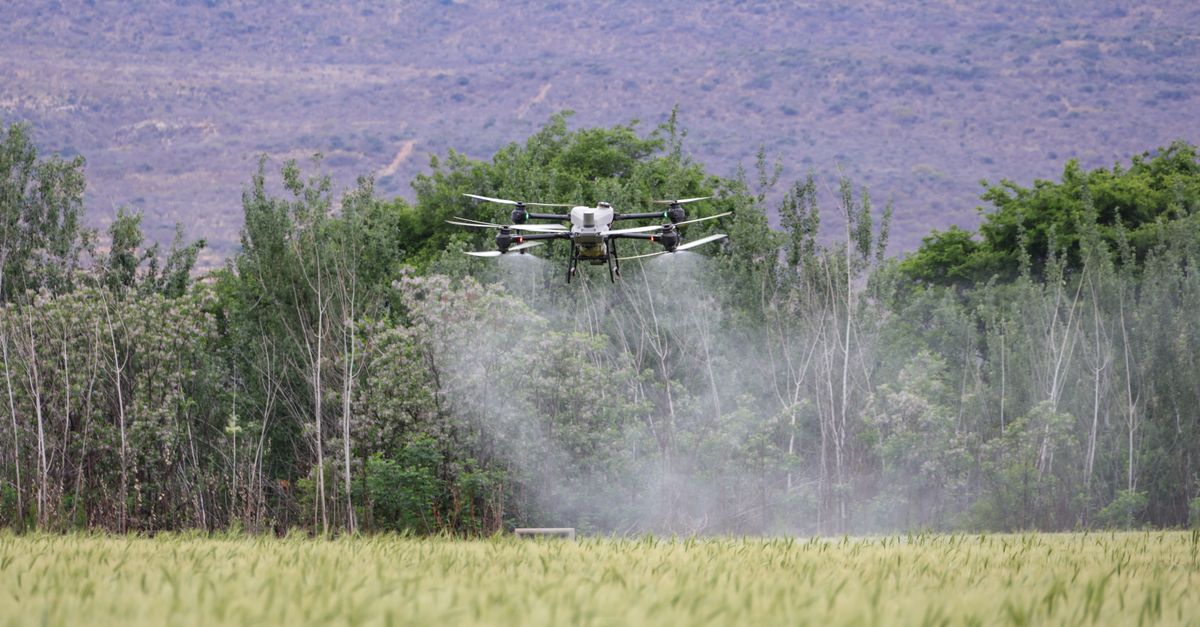
Infrastructure Inspection: Beyond the Concept Phase
The promise of autonomous drones has long promised to revolutionize how infrastructure is monitored, from high-voltage transmission lines to civil bridges. However, the sector remains in a maturation phase where shipping hardware and pilot deployments outweigh press announcements. At RobotWale.com, we prioritize tangible data over marketing materials when evaluating the utility of inspection drones. The shift from conceptual demos to operational fleet management requires a rigorous assessment of reliability, sensor suites, and regulatory compliance.
Infrastructure inspection represents a high-value use case for aviation robotics, yet it carries significant risks. Failures in power grids or structural cracks can lead to catastrophic consequences. Consequently, the hardware selected for these tasks must demonstrate proven flight stability and accurate data capture capabilities. Current market leaders are navigating the transition from initial sales to scaled operational pilots, particularly in regions with complex regulatory frameworks like India.
Hardware Reality Check: ideaForge vs. Skydio
When grading claims for hardware, we look first at shipping specifications, then pilot deployments, and finally announcements. Two manufacturers dominate the conversation regarding autonomous infrastructure inspection: ideaForge from India and Skydio from the United States. While both claim autonomy, their approaches to hardware reliability differ significantly.
ideaForge Technology has focused heavily on the Indian market, producing the Neuron and Tekno series. The Neuron is designed for industrial applications, featuring a ruggedized airframe and payload flexibility for thermal and visual inspection. According to the manufacturer’s spec sheet, the Neuron offers a flight time of approximately 30 minutes with a standard payload. This duration is critical for covering large transmission corridors without frequent battery swaps.
The hardware advantages include a focus on GPS-denied environments, utilizing optical flow and SLAM (Simultaneous Localization and Mapping) algorithms. These features are essential for inspecting underground tunnels or areas near heavy steel structures where GPS signals are weak. The integration of the M300 series from DJI into their ecosystem has also provided a proven baseline for flight stability, leveraging existing drone mechanics.
Skydio brings a different value proposition with the X2 and X2+ models. Skydio is renowned for its obstacle avoidance technology, which is particularly useful in complex infrastructure environments. The X2+ features a 45-minute flight time and dual cameras, allowing for simultaneous thermal and visual inspection. Independent tests have shown consistent performance in autonomous flight patterns, specifically for pipeline and tower monitoring.
However, Skydio’s hardware is predominantly US-centric. While the flight times are competitive, the regulatory framework for importing such hardware into India adds layers of complexity. The reliance on US-sourced components for avionics and sensors creates potential supply chain vulnerabilities for Indian operators looking to scale their fleets.
Deployment & Pilot Data
Shipping hardware is one metric; sustained deployment is another. We are looking for evidence of long-term usage in real-world conditions, not just on-stage demos.
ideaForge has reported deployments with Indian power utilities and state electricity boards. These pilots focus on inspecting high-voltage transmission lines without direct human intervention. The data suggests that the Neuron’s autonomy reduces inspection time by approximately 60% compared to traditional methods involving manual climbers. However, the dependency on ground control stations (GCS) remains a factor. Operators must maintain a line of sight in many scenarios, limiting the range of inspection to the immediate vicinity of the control station.
Skydio has seen adoption in the US and Middle East for similar roles. In the US, Skydio has partnered with utility companies for automated drone corridors. These deployments allow for repetitive flight paths with high consistency. In India, however, the pilot data is sparse due to regulatory hurdles. While the technology is capable, the lack of a widespread regulatory waiver for Beyond Visual Line of Sight (BVLOS) operations limits the scale of deployment.
For both manufacturers, the transition to BVLOS is the next critical milestone. Without this, the economic case for infrastructure inspection weakens significantly. The cost of the drone must be offset by the reduction in labor hours and the increase in data accuracy. Current pilot programs suggest that while the drones are capable of autonomous flight, the regulatory environment dictates the operational boundaries.
India Availability and Pricing Landscape
For Indian operators, availability and landed cost are primary decision factors. The Indian drone market is regulated under the Ministry of Civil Aviation and the Directorate General of Civil Aviation (DGCA). Import duties on drones and components can significantly impact the final cost.
ideaForge Pricing:
- The Neuron Industrial Drone is priced at approximately $3,000 to $4,000 USD depending on payload configuration.
- With import duties and GST (Goods and Services Tax) in India, the landed cost estimate rises to approximately INR 250,000 to INR 350,000.
- Local availability is a key differentiator, reducing logistical lead times for parts and maintenance.
Skydio Pricing:
- The X2+ is priced around $7,000 USD for the base kit.
- Importing into India involves significant customs duties on electronics, pushing the landed cost to approximately INR 600,000 to INR 800,000.
- Service and support networks in India are limited compared to local manufacturers, which poses a risk for fleet maintenance.
These estimates are based on current exchange rates and standard import tariffs. They do not include additional costs for training, GCS hardware, or software subscriptions required for fleet management. For government tenders, the local manufacturing advantage (Make in India) often favors ideaForge over international competitors.
Regulatory Framework and Compliance
The regulatory landscape in India is the single biggest constraint on inspection drone adoption. Under the Drone Rules 2021, specific permissions are required for commercial operations. These include the Remote Pilot Certificate and a Certificate of Registration for the specific drone model.
For infrastructure inspection, BVLOS operations require additional clearance from the DGCA. Currently, these are granted on a case-by-case basis for specific projects. This limits the scalability of deployment. Operators cannot simply buy a fleet and deploy it across a state; they must secure permits for each flight path.
This regulatory friction means that while the hardware is ready, the ecosystem is not fully mature. We grade this hardware as "Shipped and Operational in Limited Zones" rather than "Fully Deployed." The shift to a fully automated, nationwide grid inspection will depend on the DGCA’s implementation of the Digital Sky Platform and the easing of BVLOS restrictions.
Conclusion
The infrastructure inspection sector is moving from hype to hardware reality. ideaForge and Skydio offer distinct value propositions, with ideaForge holding a significant advantage in local availability and pricing for the Indian market. Skydio offers advanced autonomy features but faces higher landed costs and regulatory hurdles in India.
For operators, the decision should be based on current deployment needs versus long-term scalability. If immediate BVLOS operations are required, the regulatory framework currently limits this capability regardless of the drone’s technical specifications. For visual inspection within line of sight, both platforms are viable, provided the operator accounts for the total cost of ownership, including maintenance and compliance.
RobotWale.com recommends that buyers prioritize shipping hardware and pilot deployments over announcements. The true test of an inspection drone is not its ability to fly in a demo, but its ability to fly consistently in the field over months of operation. Until the regulatory framework aligns with the hardware capabilities, the market will remain in a pilot-heavy phase.
References
- ideaForge Technology Ltd. Official Website: ideaforge.in
- Skydio Inc. Official Website: skydio.com
- Directorate General of Civil Aviation (DGCA) India Drone Rules: dgca.gov.in
- Ministry of Civil Aviation, Government of India: indiacode.nic.in
✓ Key takeaways
- •Hands-on view of Infrastructure Inspection: A Reality Check on ideaForge, Skydio, and the Grounded Market inside our Inspection Drones library.
- •Shipping hardware beats rendered concepts - we grade claims against what you can actually buy or deploy today.
- •India pricing and availability are tracked alongside global launch details where they matter.
References
Related articles
More in Inspection Drones →
