Make-in-India Robotics: Policy, Incentives, and Domestic Manufacturing Reality

The State of Make-in-India Robotics: Policy, Incentives, and Domestic Manufacturing
India’s robotics manufacturing landscape is no longer defined by import dependency alone, but by a structured shift toward domestic assembly, component localization, and policy-driven incentives. The Make in India initiative, originally launched as a broad economic catalyst, has evolved into a measurable framework for automation hardware. Domestic robotics firms now operate across three tiers: full OEM design, contract manufacturing for global brands, and localized assembly with imported core components. The grading of progress remains hardware-first: shipped units and deployed pilots outweigh announced roadmaps.
Policy Framework and Government Incentives
Robotics manufacturing in India does not yet sit under a standalone central scheme, but it is actively supported by overlapping policy instruments. The Production Linked Incentive (PLI) scheme for Advanced Technology Systems and Electronics Hardware covers critical sub-components used in industrial and service robotics. While the scheme prioritizes semiconductors, display panels, and telecom equipment, its supply chain spillover effects directly benefit domestic robotics manufacturers sourcing controllers, power modules, and sensor arrays.
The National Policy on Electronics (NPE) 2019 explicitly recognizes robotics as a priority segment, recommending capital subsidies, R&D grants, and testbed infrastructure. State governments have accelerated this with sector-specific policies. Tamil Nadu offers up to 24% capital subsidy for electronics and automation hardware. Karnataka’s Electronics and Semiconductor Policy provides up to 20% infrastructure support and stamp duty exemptions for robotics assembly units. Gujarat’s Aatmanirbhar Gujarat Sakh Yojana extends similar incentives to industrial automation manufacturers.
Additional support flows through:
- Drone Drishti and iDEX for defense and logistics robotics prototypes
- National Mission on Interdisciplinary Cyber-Physical Systems (NM-ICPS) for academic-industry hardware translation
- MSME technology upgradation grants for precision machining of robot joints and structural frames
These incentives are real, but they require compliance documentation, GST registration, and audited manufacturing capacity. The policy architecture is functional; scaling remains the bottleneck.
Domestic Manufacturing Landscape: What’s Actually Shipping
Grading by shipped hardware reveals a clear hierarchy. Indian robotics manufacturing is strongest in mobile automation and collaborative systems, moderate in articulated industrial arms, and nascent in full humanoid platforms.
Mobile Automation and AMRs: Domestic companies like GreyOrange, Locus Robotics, and ION Robotics ship fleet-wide autonomous mobile robots for warehousing and manufacturing logistics. These units are fully assembled in India, with localization rates exceeding 60% for chassis, battery management systems, and software stacks. Core components such as LiDAR, IMU sensors, and high-torque actuators are still largely imported, primarily from China and Japan. Pilots in e-commerce, pharma, and FMCG warehouses validate reliability metrics, not just announcements.
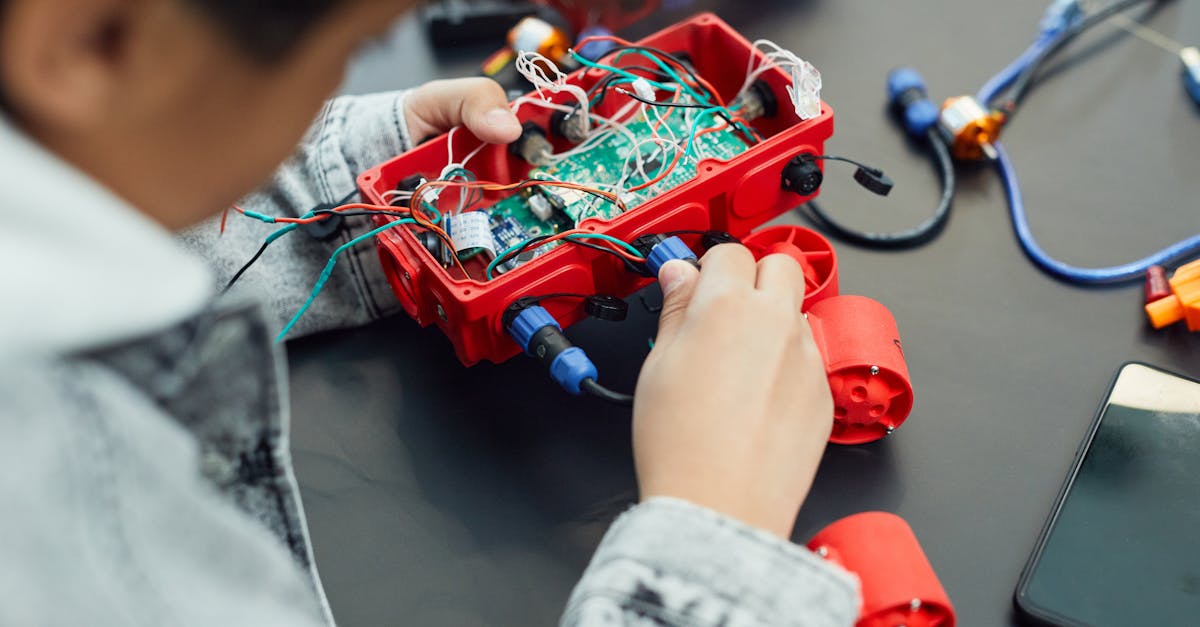
Collaborative and Industrial Arms: Indian assemblers and system integrators dominate the lower to mid-range cobot segment. Brands like RoboSense, TAAI, and Agnik Robotics offer 6-axis articulated arms designed for pick-and-place, screwdriving, and dispensing. These are typically built using imported harmonic drives, servo motors, and controllers, with Indian firms handling mechanical design, safety certification, and integration. Shipping volumes are steady, but margin pressure from Chinese OEMs remains a structural challenge.
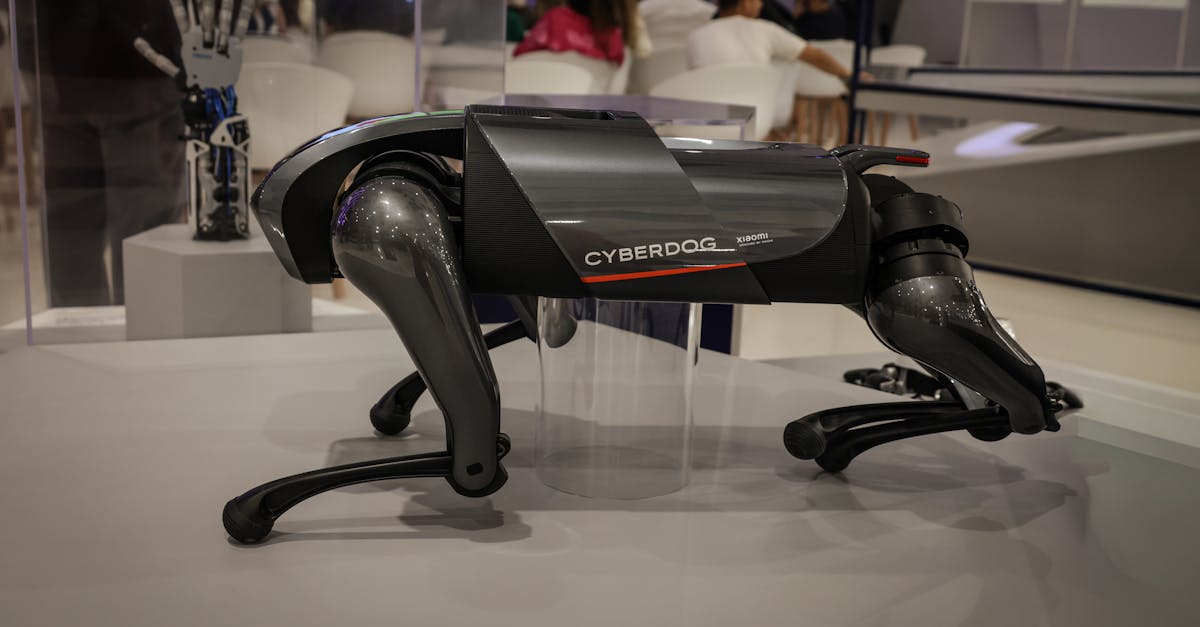
Humanoid and General-Purpose Platforms: Commercial humanoid manufacturing in India remains in the prototype and pilot phase. Academic institutions like IIT Madras and IIT Bombay have demonstrated functional prototypes (e.g., Agnis, Rudra) focusing on balance control, joint actuation, and perception stacks. However, no Indian company has shipped a commercially available humanoid robot at scale. The gap is not theoretical; it is supply-chain and cost-driven. High-precision reduction gears, lightweight composite actuators, and real-time motion controllers are not yet manufactured domestically at the required tolerance and volume.
Pricing, Availability, and the Humanoid Gap
India availability for domestic robotics hardware is broad in AMRs and cobots, narrow in industrial arms, and virtually absent in commercial humanoids. Pricing reflects localization depth and component sourcing.
- Domestic AMRs: ₹15–35 lakhs per unit (landed cost estimate includes battery, navigation stack, and basic safety sensors). Available for immediate deployment across Tier 1 and Tier 2 cities.
- Collaborative Arms (6–7 kg payload): ₹18–45 lakhs per unit. Widely available through authorized distributors in Maharashtra, Karnataka, and Tamil Nadu.
- Industrial Articulated Arms (20–30 kg payload): ₹35–80 lakhs per unit. Typically assembled in India with imported joint modules. Lead times range from 8 to 12 weeks.
- Humanoid Platforms: No commercial pricing exists. Academic prototypes cost ₹25–60 lakhs to develop, but cannot be purchased. Pilot deployments in research labs remain limited to university partnerships and government grants.
The humanoid gap is not a failure of vision; it is a manufacturing timeline issue. Humanoid robots require integrated actuation modules, custom PCBs, and lightweight structural materials that India’s electronics and precision engineering sectors are still scaling. Until domestic suppliers deliver harmonic drives at < ₹8,000 per unit and torque-dense actuators at < ₹15,000 per joint, commercial humanoid assembly will remain dependent on imports.
Supply Chain Constraints and Next Steps
Domestic robotics manufacturing faces three structural constraints:
- Precision Component Localization: Harmonic drives, planetary gearboxes, and high-resolution encoders are still imported. Indian firms are investing in CNC machining and gear-cutting infrastructure, but yield rates and tolerance consistency require 3–5 years of scaling.
- Semiconductor and Controller Dependency: Real-time motion controllers and safety PLCs rely on foreign silicon and firmware. India’s semiconductor fab pipeline (Tata, Micron, CG Power) will not impact robotics controllers until 2027–2028.
- Safety and Certification: ISO 10218, ISO/TS 15066, and BIS compliance require rigorous testing. Indian labs are expanding capacity, but third-party certification delays add 6–9 months to product launches.
The path forward requires targeted intervention. State-level robotics parks with shared testbeds, component localization grants for gear and actuator manufacturers, and streamlined BIS certification pathways will accelerate shipping timelines. The policy foundation is intact; execution velocity will determine whether India transitions from assembly to core manufacturing within the next decade.
References
- DPIIT Production Linked Incentive Scheme for Electronics Hardware: https://plischeme.gov.in/
- Ministry of Electronics and Information Technology, National Policy on Electronics 2019: https://www.meity.gov.in/writereaddata/files/National_Policy_on_Electronics_2019.pdf
- Karnataka Electronics and Semiconductor Policy 2023: https://www.karnataka.gov.in/
- Tamil Nadu Industrial Policy 2023, Automation and Robotics Sector: https://www.industries.tn.gov.in/
- IIT Madras, Agnis Humanoid Robot Prototype: https://www.iitm.ac.in/
- GreyOrange, Warehouse Automation Hardware Specifications: https://www.greyorange.com/
✓ Key takeaways
- •Hands-on view of Make-in-India Robotics: Policy, Incentives, and Domestic Manufacturing Reality inside our Make-in-India Robotics library.
- •Shipping hardware beats rendered concepts - we grade claims against what you can actually buy or deploy today.
- •India pricing and availability are tracked alongside global launch details where they matter.
Related articles
More in Make-in-India Robotics →