
Nvidia Isaac Ecosystem Assessment: Sim, Lab, and Groot in Practice
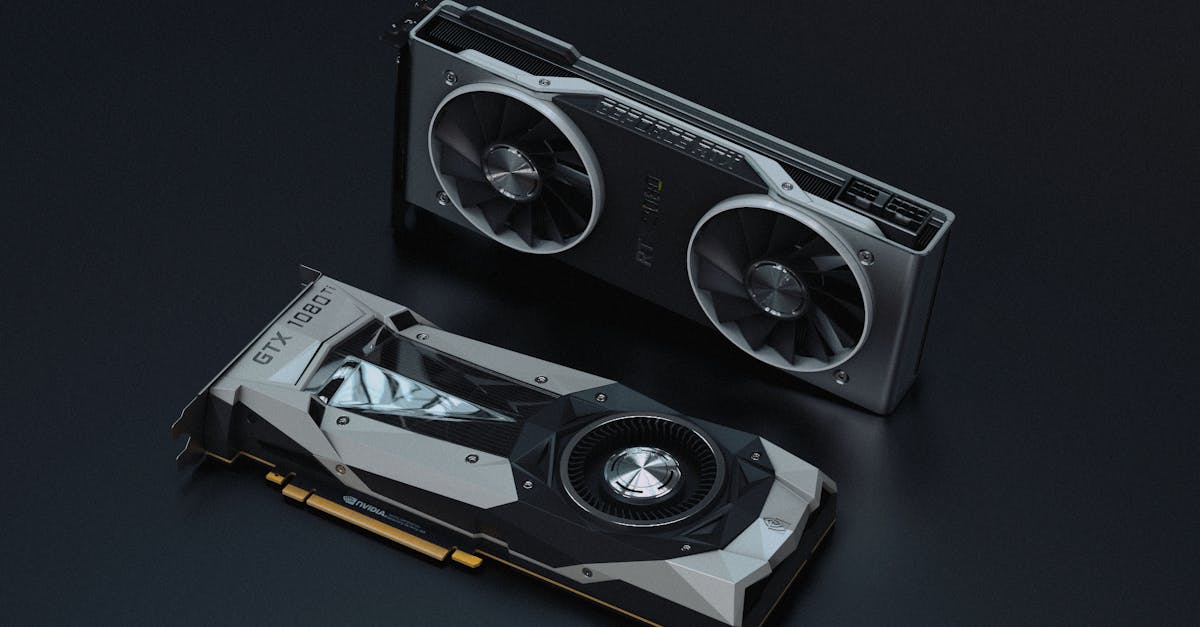
Nvidia Isaac Software Stack
Nvidia's entry into the robotics software space has shifted the focus from silicon to simulation. The Isaac ecosystem is not a single product but a suite of tools designed to accelerate the development, deployment, and management of robotic systems. For Indian developers and manufacturers, understanding the distinction between simulation fidelity, reinforcement learning environments, and foundation models is critical before committing to hardware integration.
This assessment grades Nvidia Isaac components based on current shipping hardware support, pilot deployments, and verified announcements rather than conceptual roadmaps. The primary constraint for many Indian robotics startups remains the cost of compute and the availability of the Nvidia Jetson platform for edge deployment.
Isaac Sim: High-Fidelity Simulation
Isaac Sim is built on Omniverse and serves as the physical foundation for robotics development. It utilizes Nvidia's RTX rendering pipeline to achieve photorealistic visuals and accurate physics simulation. The software allows developers to create digital twins of robots and environments to test behaviors before physical deployment.
Current Status: Shipping software. Isaac Sim runs on Nvidia workstations equipped with RTX graphics cards or cloud instances. It has moved beyond the alpha phase into enterprise use cases.
Key Capabilities:
- Physics Engine: Built-in support for NVIDIA PhysX and NVIDIA Warp for rigid body dynamics.
- Sensor Simulation: Ray-traced LiDAR, RGB-D cameras, and radar simulation for training perception models.
- Robotics APIs: Integration with ROS 2 (Robot Operating System) and URDF (Unified Robot Description Format) for standard industry compatibility.
India Availability: Accessible via the Nvidia Developer Cloud or on-premise via Jetson Orin modules. Indian developers must procure compatible hardware, typically via authorized distributors like Avnet or through cloud providers offering GPU instances in India regions (e.g., AWS Mumbai, Azure India).
Cost Estimate: An Nvidia Jetson Orin Nano module costs approximately INR 25,000 to INR 40,000 (ex-taxes), while Orin AGX ranges from INR 1.5 lakh to INR 3 lakh depending on SKU and distributor margins. Cloud GPU costs vary but typically start at INR 150-200 per hour for high-performance instances.
Isaac Lab: Reinforcement Learning Environment
Isaac Lab is the next logical step in the pipeline, focusing on the training of robotic behaviors. It is a high-performance reinforcement learning (RL) environment optimized for Nvidia GPUs. Unlike Sim, which focuses on physics accuracy, Lab focuses on training speed and policy convergence.
Current Status: Shipping software. The project is open-source and hosted on GitHub, allowing for community contributions and modifications.
Key Capabilities:
- RL Frameworks: Supports popular frameworks like NVIDIA Isaac Gym and PyTorch for training agents.
- Diverse Environments: Includes pre-configured environments for manipulation, legged locomotion, and autonomous driving.
- Modular Design: Developers can extend the environment to support custom kinematic chains or control interfaces.
Deployment Reality: While the software is available, the hardware requirement is significant. Training RL policies often requires clusters of RTX 4090 or A100 GPUs. For Indian startups, this often means relying on cloud compute rather than local hardware due to the capital expenditure (CapEx) required for high-end GPUs.
Hardware First: Isaac Lab is designed to run on Nvidia Jetson Orin. However, full-scale RL training is usually offloaded to data center GPUs, with only inference running on the edge device. This split architecture is the current industry standard for humanoid robotics.
Groot: Foundation Models for Humanoid Motion
Groot represents Nvidia's move toward foundation models for robotics. Announced in 2024, Groot is not a robot but a software model capable of learning from video demonstrations. It aims to transfer motion capture data to humanoid robots in real-time or via imitation learning.
Current Status: Announcement phase with limited pilot deployments. The technology is currently in research and early developer preview stages.
Capabilities:
- Motion Cloning: Groot can learn from video input to replicate human movements on a robot.
- Imitation Learning: Reduces the need for manual programming of complex locomotion tasks.
- Generalization: Designed to handle variations in terrain and robot dynamics.
Critical Assessment: While the technology is groundbreaking, it relies heavily on the underlying Sim and Lab infrastructure. There is no standalone "Groot Robot" shipping to the market. Claims regarding Groot must be graded as software capabilities rather than hardware products. The actual deployment depends on the robotics company integrating the model into their control stack.
India Context: Indian humanoid robot developers are currently evaluating Groot for motion training pipelines. However, the data requirements for training foundation models are substantial. Indian datasets often lag behind in volume compared to global standards, which may impact model accuracy for local use cases.
Hardware and India Market Access
The success of the Isaac ecosystem in India depends on hardware availability. The primary constraint is the Nvidia Jetson series. While the software is free to download, the compute power required to run Isaac Sim and Isaac Lab effectively is not.
Edge Hardware:
- Nvidia Jetson Orin Nano: Entry-level. Good for simple Sim environments. Price: ~INR 30,000.
- Nvidia Jetson Orin NX: Mid-range. Suitable for RL inference. Price: ~INR 80,000.
- Nvidia Jetson Orin AGX: High-end. Required for complex Sim/RL training. Price: ~INR 2.5 Lakh+.
Cloud Alternatives: For companies unable to afford high-end edge hardware, cloud-based Isaac Sim instances are available via Nvidia DGX Cloud. Indian developers must consider data sovereignty laws (DPDP Act) when using cloud infrastructure for robotics data.
Supply Chain: Nvidia partners in India include distributors like Mouser Electronics, DigiKey, and local system integrators. Lead times for Jetson modules can range from 4 to 8 weeks depending on global supply constraints.
Conclusion
The Nvidia Isaac ecosystem provides a robust software foundation for robotics development. Isaac Sim offers high-fidelity simulation, Isaac Lab enables efficient reinforcement learning, and Groot introduces foundation models for motion. However, the value proposition for Indian developers is tied to hardware costs and cloud access.
Until the ecosystem matures into shipping hardware with verified pilot deployments, it remains a tool for development rather than a finished solution. Indian robotics manufacturers should prioritize hardware availability and data localization compliance when integrating Isaac tools into their production pipelines.
References
- Nvidia Isaac Sim Documentation: docs.nvidia.com/isaac-sim
- Nvidia Isaac Lab GitHub Repository: github.com/isaac-sim/isaac-lab
- Nvidia Groot Announcement: blogs.nvidia.com/blog/nvidia-groot/
- Nvidia Jetson Orin Product Page: nvidia.com/en-us/autonomous-machines/embedded-systems/jetson-orin/
- Nvidia Isaac Newsroom: nvidia.com/en-us/industries/robotics/
✓ Key takeaways
- •Hands-on view of Nvidia Isaac Ecosystem Assessment: Sim, Lab, and Groot in Practice inside our Nvidia Isaac library.
- •Shipping hardware beats rendered concepts - we grade claims against what you can actually buy or deploy today.
- •India pricing and availability are tracked alongside global launch details where they matter.
References
Related articles
More in Nvidia Isaac →

