Nvidia Isaac Ecosystem: Sim, Lab, and Groot Assessment
The Reality of Nvidia’s Isaac Software Stack
Nvidia’s Isaac ecosystem has become a central reference point for robotics developers globally, promising a bridge between simulation and physical deployment. However, for Indian robotics firms and integrators, the distinction between software capability and physical hardware availability remains critical. This assessment evaluates the Isaac Sim, Isaac Lab, and Project Groot components not as marketing concepts, but as tools with specific hardware dependencies, licensing costs, and deployment constraints relevant to the Indian market.
Isaac Sim: The Simulation Infrastructure
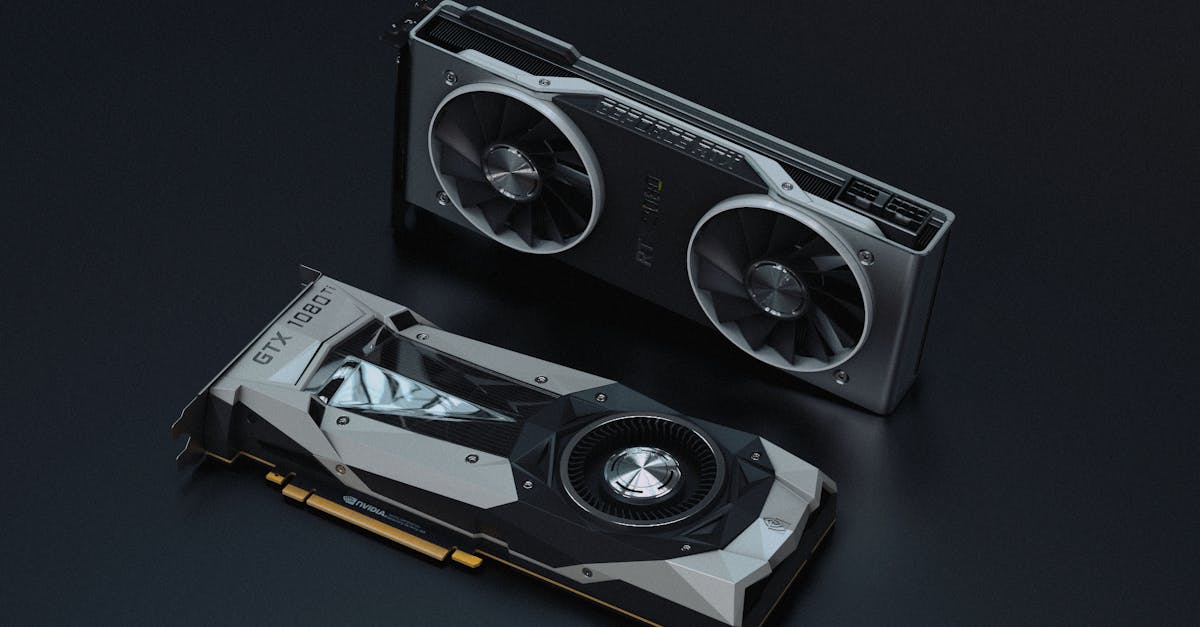
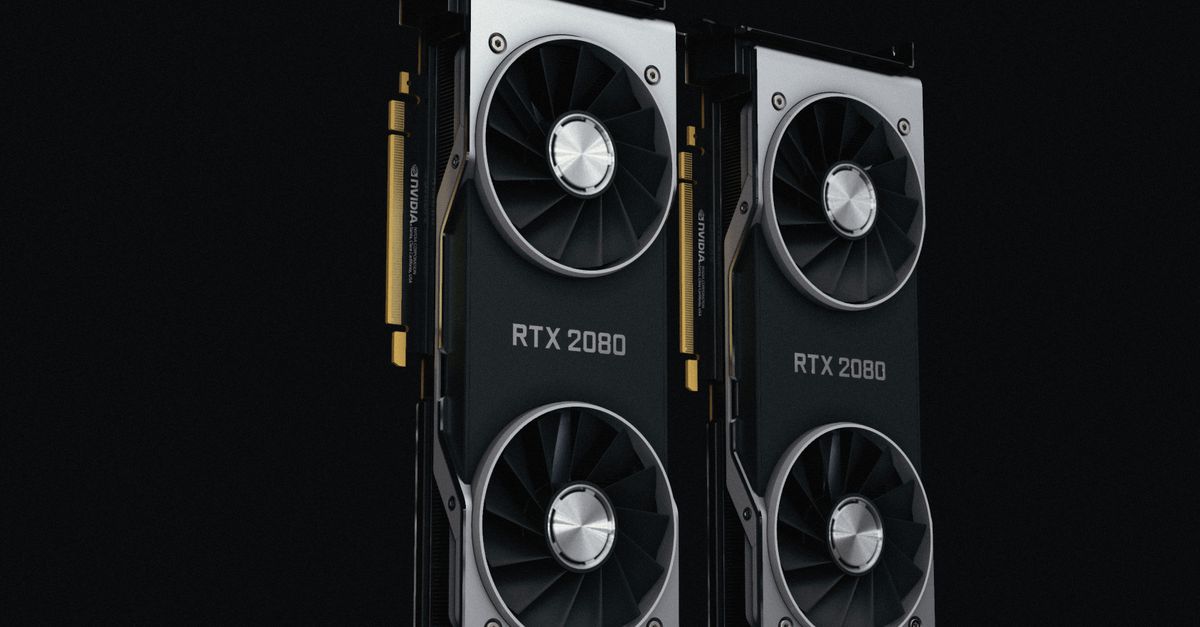
Isaac Sim is built on the Omniverse platform, leveraging photorealistic rendering and physics simulation to create digital twins of robotic systems. While the software itself is a product, its utility is strictly bound to compute requirements. To run Isaac Sim with high-fidelity physics and ray-tracing, developers require high-end NVIDIA RTX GPUs, specifically the Ada Lovelace architecture or newer.
For Indian enterprises, this translates to significant capital expenditure. A single RTX 4090, often the entry point for local development, costs between INR 1.8 lakh to INR 2.2 lakh (ex-works), including GST and import duties. For production-grade validation, an RTX 6000 Ada Generation is often recommended, which carries a landed cost estimate exceeding INR 12 lakh in India. Cloud-based alternatives exist via NVIDIA Cloud or partners like AWS and Azure, but these incur hourly rates that can escalate quickly during large-scale training runs.
Isaac Sim’s value proposition lies in its ability to validate control algorithms before they touch physical hardware. This reduces damage risk during development. However, the “sim-to-real” gap remains a challenge. While Isaac Sim handles rigid body dynamics well, soft-body manipulation and complex tactile sensing still require physical calibration. Manufacturers using Isaac Sim for pilot deployments must validate that their simulated environments accurately reflect local working conditions, such as lighting variations and floor friction common in Indian warehouses.
Isaac Lab: Reinforcement Learning Framework
Isaac Lab is an open-source framework designed to accelerate reinforcement learning (RL) and imitation learning for robotics. Unlike Sim, which is a commercial product, Lab provides a modular environment for training agents. It is currently in a state of active development, with stable releases primarily targeting research and pilot stages rather than mass commercial deployment.
The framework supports hardware-agnostic control, meaning it can interface with ROS 2-based systems common in Indian robotic arms and mobile manipulators. However, training RL agents in Isaac Lab demands substantial computational resources. A typical training run for a manipulator task may require multiple GPU hours, translating to costs of INR 500 to INR 1,500 per hour depending on the cloud instance used locally.
Critical to note is that Isaac Lab does not ship a robot. It ships code. For a company in Bengaluru or Pune building a delivery bot, Isaac Lab provides the training environment, not the chassis. Manufacturers must integrate this software with their own perception stacks. Independent reporting suggests that while Isaac Lab accelerates iteration, it does not eliminate the need for physical testing. Pilots deploying RL-trained models must account for safety interlocks, as RL agents can exhibit unpredictable behaviors in edge cases not seen during simulation.
Project Groot: Foundation Models for Robotics
Project Groot represents Nvidia’s most ambitious software claim, aiming to train foundation models for robot control using large-scale human demonstration data. Announced in early 2024, this initiative leverages NVIDIA’s Omniverse Replicator to synthesize training data. As of late 2024, this remains in the research phase. There is no public API for third-party developers to access a Groot model for immediate hardware control.
The announcement highlights Nvidia’s focus on “robotic intelligence” rather than just control software. The company claims Groot can learn from human motion capture data to generate policies for robots. However, the gap between “learning from video” and “controlling a 20kg humanoid arm in a factory” is significant. No Indian manufacturer has publicly confirmed shipping hardware powered by Groot. Until a reference implementation is released, claims regarding Groot should be categorized as announcements, not shipped products.
For the Indian market, this implies that robotics startups relying on Groot for immediate deployment are operating on speculative timelines. The infrastructure required to run Groot models involves massive GPU clusters, likely inaccessible to small and medium enterprises without cloud access agreements. Nvidia’s partnership model suggests that access will be gated through enterprise contracts or high-performance cloud providers.
India Availability and Cost Analysis
Accessing the Isaac ecosystem in India involves navigating both software licensing and hardware logistics. Isaac Sim requires an enterprise license for commercial use, with pricing tiers not publicly disclosed but estimated to start in the five-figure USD range for enterprise tiers. For smaller teams, the free developer version is available but restricted from commercial deployment.
Hardware availability is another bottleneck. While NVIDIA GPUs are available through authorized distributors in India, lead times can extend to 6-8 weeks due to import dependency. The Goods and Services Tax (GST) on electronic goods adds 18% to the base cost, while import duties on high-end components can further inflate landed costs. A development rig capable of running Isaac Sim and Lab simultaneously typically requires INR 3-4 lakhs minimum for the GPU cluster alone.
Cloud access offers an alternative but introduces latency risks for real-time robotics. High-frequency control loops for humanoid robots require sub-millisecond latency, which is difficult to achieve over public cloud connections. Indian robotics integrators often prefer on-premise deployment for safety-critical applications, even if it increases upfront CAPEX. This makes the Isaac ecosystem less accessible for bootstrapped startups unless they leverage government schemes like the PLI (Production Linked Incentive) scheme for hardware manufacturing.
Grading the Stack: Shipping vs. Announcements
| Component | Status | Primary Use Case |
|---|---|---|
| Isaac Sim | Shipping | Simulation, Digital Twins, Physics Validation |
| Isaac Lab | Pilot/Research | Reinforcement Learning, Manipulation Training |
| Project Groot | Announcement | Foundation Models, Human Motion Learning |
Conclusion: Software is a Tool, Not a Solution
The Nvidia Isaac ecosystem provides powerful tools for robotics development, but it does not replace the need for robust mechanical engineering or field testing. In the Indian context, the cost barrier for high-end GPUs limits widespread adoption to well-funded enterprises or those with cloud access. Developers must treat Isaac Sim, Lab, and Groot as enablers rather than complete solutions. Until shipping hardware integrates these stacks natively, the onus remains on the manufacturer to validate performance in physical reality.
For Indian humanoid robot manufacturers, the recommendation is to use Isaac Sim for early-stage validation but prioritize physical testing for deployment. The software stack is available, but the hardware reality in India requires careful financial and logistical planning.
References
- Nvidia Isaac Sim Documentation: https://docs.nvidia.com/isaac-sim/
- Nvidia Isaac Lab GitHub: https://isaaclab.github.io/
- Nvidia Project Groot Announcement: https://blogs.nvidia.com/blog/2024/01/31/nvidia-project-groot/
- Nvidia Omniverse Platform: https://www.nvidia.com/en-us/autonomous-machines/robotics/isaac/
✓ Key takeaways
- •Hands-on view of Nvidia Isaac Ecosystem: Sim, Lab, and Groot Assessment inside our Nvidia Isaac library.
- •Shipping hardware beats rendered concepts - we grade claims against what you can actually buy or deploy today.
- •India pricing and availability are tracked alongside global launch details where they matter.
References
Related articles
More in Nvidia Isaac →