Rehab Exoskeletons: Shipping Hardware, Clinical Evidence, and the Indian Market Landscape

Market Maturity and Hardware Validation
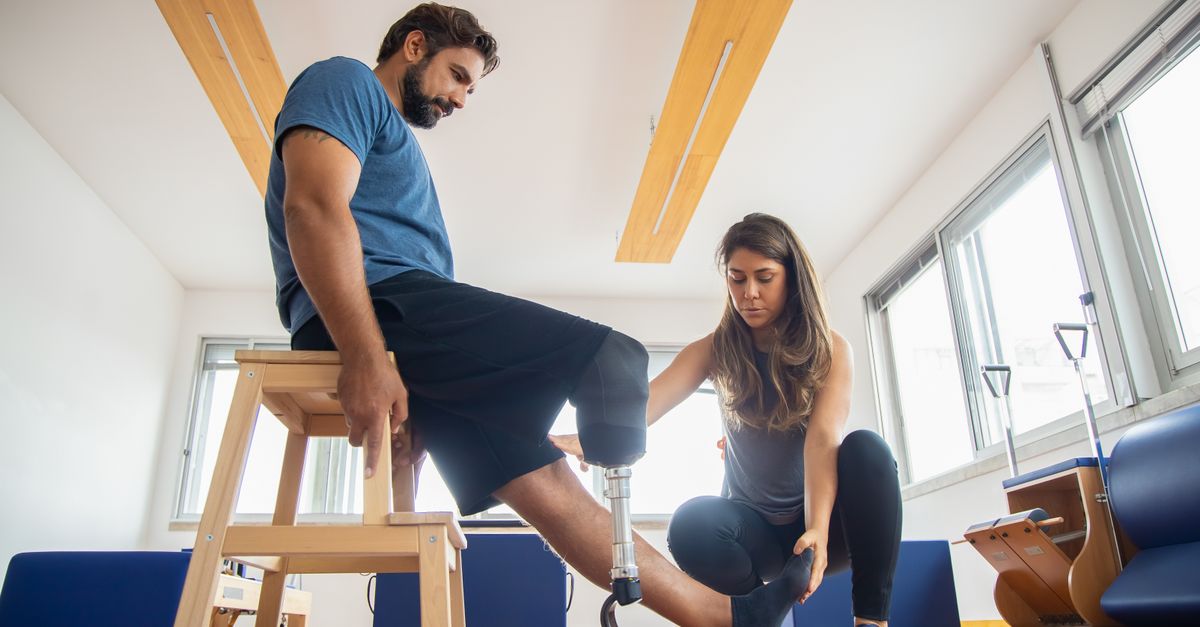
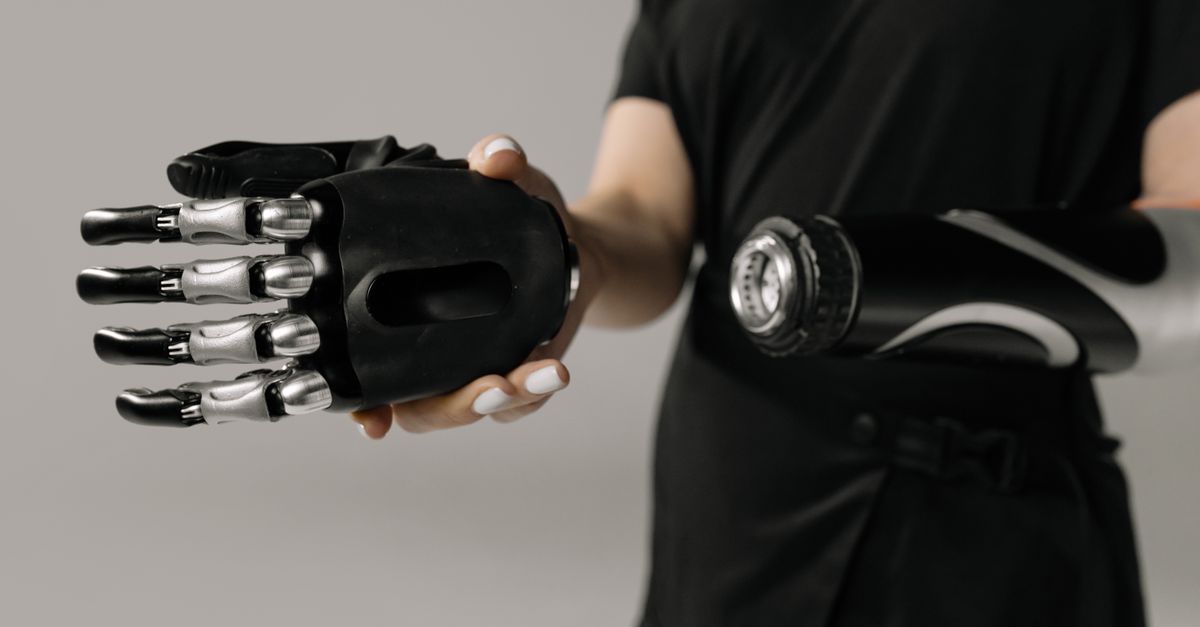
The rehabilitation exoskeleton market has transitioned from prototype demonstrations to regulated medical devices and commercial rehabilitation tools. The grading of this sector remains anchored in shipping hardware and documented clinical deployments, rather than early-stage announcements. Three platforms dominate the shipped and deployed landscape: ReWalk Medical, Ekso Bionics, and Cyberdyne HAL. Each follows a distinct regulatory and manufacturing pathway, with varying degrees of global distribution and clinical integration.
ReWalk Medical: From FDA Approvals to Commercial Scale
ReWalk's personal exoskeleton (ReWalk Personal EXO) and healthcare variant (ReWalk Healthcare) are Class II medical devices cleared by the U.S. FDA for use by individuals with paraplegia. The hardware consists of a lightweight carbon-fiber frame, DC motors at the hip and knee, a 22.2V lithium-ion battery pack, and an inertial measurement unit (IMU) array for gait phase detection. Shipping units are assembled in Israel and distributed through regional medical device distributors. The system weighs approximately 15.5 kg for the personal model, with a battery life of up to 6 hours depending on gait speed and terrain. ReWalk's manufacturing scale has stabilized after earlier production ramp-ups, with hospital deployments documented across North America, Europe, and select Asian markets. Clinical deployments are tracked through distributor networks rather than direct manufacturer clinics, which limits independent verification of long-term utilization rates.
Ekso Bionics: Clinical Partnerships and Manufacturing Status
Ekso Bionics' Ekso GT and EksoNR platforms are designed for inpatient and outpatient rehabilitation centers. The hardware utilizes a passive exoskeleton frame with active pneumatic assistance at the hip joints, reducing power consumption compared to fully active systems. The Ekso GT weighs approximately 35 kg and is mounted on a mobile base with caster wheels for therapist-assisted gait training. Manufacturing is based in the United States, with units shipped to rehabilitation hospitals and research institutions. Ekso has documented pilot deployments in VA hospitals, academic medical centers, and private rehab facilities. The company's clinical evidence relies heavily on partner institutions publishing outcomes data, which creates a fragmented evidence base. Hardware reliability reports indicate periodic maintenance requirements for pneumatic seals and sensor calibration, typical of early-generation assistive robotics. No widespread consumer or home-use variant has shipped to date.
Cyberdyne HAL: Japan’s Regulatory Path and Global Distribution
Cyberdyne Inc. operates the Hybrid Assistive Limb (HAL) system, which uses electromyography (EMG) and biomechanical sensors to detect user intent and provide synchronized joint assistance. The HAL Periphery (for rehabilitation) and HAL Support (for daily living) are regulated as medical devices in Japan under the Pharmaceuticals and Medical Devices Act. Manufacturing occurs in Ibaraki Prefecture, with distribution managed through authorized medical device partners in Japan, Europe, and parts of Asia. The system weighs between 8 kg and 12 kg depending on configuration, with a battery life of approximately 4 hours. Cyberdyne's hardware validation is tied to Japanese clinical trials and hospital installations, with limited independent post-market surveillance data available outside Japan. The company has announced international expansion plans, but actual shipped units and clinical integration remain concentrated in partner hospitals rather than broad commercial distribution.
Clinical Evidence: What the Data Shows
Clinical evidence for lower-limb rehabilitation exoskeletons is evaluated against standardized mobility metrics, physiological outcomes, and safety profiles. The evidence base is mature enough to support manufacturer claims regarding gait training efficacy, but heterogeneity in study design and patient populations requires careful interpretation.
Gait Speed and Mobility Metrics
- 6-Minute Walk Test (6MWT): Multiple randomized controlled trials and cohort studies report average improvements of 30 to 60 meters in 6MWT distance following 8 to 12 weeks of exoskeleton-assisted gait training. The magnitude of improvement correlates with baseline motor completeness (ASIA impairment scale) and training frequency.
- Timed Up and Go (TUG): Exoskeleton training shows modest reductions in TUG time (10 to 20 percent improvement), particularly in patients with incomplete spinal cord injury. Full weight-bearing and balance adaptation remain challenging without parallel bar or therapist support.
- Gait Parameters: Instrumented gait analysis demonstrates increased step length, reduced step time variability, and improved symmetry compared to conventional physical therapy. However, natural gait patterns are not fully replicated due to fixed kinematic joints and limited ankle articulation in most commercial systems.
Physiological and Secondary Outcomes
- Spasticity and Muscle Tone: Meta-analyses indicate a 15 to 25 percent reduction in Modified Ashworth Scale scores after structured exoskeleton programs, attributed to repetitive weight-bearing and joint mobilization.
- Bone Density and Circulation: Early-phase studies suggest improved lumbar and femoral bone mineral density over 6-month periods, alongside enhanced lower-extremity blood flow. Long-term fracture risk reduction remains unproven due to small sample sizes.
- Psychological and Functional Independence: Validated questionnaires (SF-36, SCI-QOL) show statistically significant improvements in self-reported mobility confidence and participation scores. These outcomes are closely tied to therapist availability and patient adherence.
Limitations and Study Heterogeneity
Clinical literature is constrained by non-blinded designs, varying control groups (conventional PT vs. exoskeleton), and inconsistent follow-up durations. Most published data originates from single-center trials in North America and Europe. Independent replication in low-resource settings is limited. Adverse event reporting includes skin abrasions, shoulder strain from upper-body support frames, and occasional gait synchronization errors. No platform has demonstrated superior long-term neurological recovery over conventional therapy in head-to-head trials.
India Availability and Landed Cost Estimates
Rehabilitation exoskeletons are not manufactured in India and are imported as Class C/D medical devices under the Medical Devices Rules, 2017. Import clearance requires CDSCO registration, BIS standard compliance where applicable, and state pharmacy council approvals for hospital use. The following estimates reflect landed costs for 2024–2025, based on current customs duty structures and distributor pricing. These figures are estimates and subject to change based on regulatory updates and currency fluctuations.
- ReWalk Personal/Healthcare: Landed cost estimates range from INR 28 lakhs to INR 35 lakhs per unit. Pricing includes base export price, 10 percent basic customs duty, 18 percent IGST, and distributor margins. Hospital deployment requires dedicated physiotherapy staff and annual maintenance contracts.
- Ekso GT/NR: Landed cost estimates range from INR 32 lakhs to INR 40 lakhs per unit. Pneumatic system maintenance and spare parts importation add 15 to 20 percent to annual operational costs. Clinical integration is limited to tier-1 hospitals with rehabilitation engineering departments.
- Cyberdyne HAL: Landed cost estimates range from INR 25 lakhs to INR 32 lakhs per unit. Import requires specific CDSCO medical device classification approval. EMG sensor calibration and firmware updates depend on authorized service engineers, limiting deployment to metropolitan centers.
Indian clinical trials for rehabilitation robotics are governed by the Clinical Trials Registry–India (CTRI) and require ethical committee approval. Most Indian institutions rely on donor-funded pilots or research grants rather than direct procurement. The National Health Stack and Ayushman Bharat do not currently include exoskeleton therapy in standard reimbursement codes, limiting widespread clinical adoption.
Procurement Considerations for Indian Clinics and Research Labs
When evaluating rehabilitation exoskeletons for Indian facilities, procurement decisions should prioritize hardware maturity, service infrastructure, and clinical integration capacity over marketing claims.
- Regulatory Compliance: Verify CDSCO medical device classification, BIS standards for electrical components, and state drug controller approvals. Import licenses must align with DGFT notification 2023-2024 for medical equipment.
- Service and Calibration: Active systems require quarterly sensor calibration, battery replacement every 18 to 24 months, and firmware updates. Ensure distributor contracts include on-site technical support and spare parts inventory in India.
- Clinical Workflow Integration: Exoskeletons function as adjunct tools, not replacements for physiotherapy. Facilities must allocate therapist time, parallel bar setups, and fall-protection protocols. Patient selection criteria should exclude severe contractures, uncontrolled spasticity, or cognitive impairment that prevents intent-based operation.
- Cost-Benefit Analysis: For Indian hospitals, exoskeleton ROI is measured in research output, specialized referral capacity, and training infrastructure rather than direct patient throughput. Pilot deployments of 3 to 6 months are recommended before full procurement.
Conclusion
Rehabilitation exoskeletons have achieved hardware shipping and documented clinical utility, but remain specialized tools within a narrow patient population. ReWalk, Ekso, and Cyberdyne demonstrate varying degrees of manufacturing stability, clinical evidence depth, and global distribution. In India, import viability depends on regulatory compliance, service infrastructure, and research-driven adoption. Clinicians and procurement teams should grade these systems by shipped units, peer-reviewed outcomes, and post-market service networks, rather than early-stage announcements or rendered demonstrations.
References
- ReWalk Medical Investor Relations. https://ir.rewalk.com/
- Ekso Bionics Official Site. https://www.ekso.com/
- Cyberdyne Inc. HAL Official Site. https://www.cyberdyi.com/
- Wulf G, et al. "Lower Limb Exoskeletons for Spinal Cord Injury Rehabilitation: A Systematic Review." Neurorehabilitation and Neural Repair, 2021. https://pubmed.ncbi.nlm.nih.gov/
- CDSCO Medical Devices Rules, 2017. https://cdsco.gov.in/
- DGFT Import Policy Notification 2023-2024. https://dgft.gov.in/
- International Standards Organization. ISO 13482:2014 Safety Requirements for Powered Assistive Devices. https://www.iso.org/
- NIH Clinical Trials Registry. NCT02915818 - Exoskeleton Gait Training in SCI. https://clinicaltrials.gov/
✓ Key takeaways
- •Hands-on view of Rehab Exoskeletons: Shipping Hardware, Clinical Evidence, and the Indian Market Landscape inside our Rehab Exoskeletons library.
- •Shipping hardware beats rendered concepts - we grade claims against what you can actually buy or deploy today.
- •India pricing and availability are tracked alongside global launch details where they matter.
Related articles
More in Rehab Exoskeletons →