Rehab Exoskeletons: Shipping Hardware, Clinical Evidence, and Market Reality

Rehab Exoskeletons: Shipping Hardware, Clinical Evidence, and Market Reality
Rehabilitation exoskeletons have transitioned from laboratory prototypes to commercially deployed medical devices over the past decade. The category is now defined by three primary shipped platforms: ReWalk Robotics, Ekso Bionics, and Cyberdyne’s Hybraid Assistive Limb (HAL). This assessment grades the sector by hardware availability first, clinical evidence second, and future announcements last, in line with RobotWale’s editorial standards for healthcare robotics.
Grading the Category: Hardware First, Pilots Second, Announcements Last
The rehab exoskeleton market is frequently overstated by investor decks and concept renders. The measurable reality is that only a handful of systems have completed regulatory clearance, achieved serial production, and entered clinical deployment pipelines. ReWalk and Ekso have shipped thousands of units globally, with documented installation in rehabilitation hospitals and outpatient clinics. Cyberdyne HAL operates under Japan’s PMDA framework with hospital-integrated deployment models. All other platforms remain in clinical trials or pre-commercial phases. This hierarchy determines how we evaluate efficacy, maintenance costs, and procurement pathways.
ReWalk Robotics: Commercial Deployment and Clinical Metrics
ReWalk Robotics has focused on spinal cord injury (SCI) and multiple sclerosis (MS) rehabilitation. The company’s hardware includes the ReWalk Personal (home mobility) and ReWalk Commercial (clinical) variants. Both systems utilize hip and knee actuators, inertial measurement units, and a control algorithm that detects user intent through trunk lean and load distribution. Shipping hardware has been validated through FDA 510(k) clearance and CE marking, enabling distribution in North America, Europe, and select Asian markets.
Clinical evidence for ReWalk centers on gait velocity, metabolic cost, and muscle activation. Independent studies published in peer-reviewed journals report that trained users can achieve walking speeds of 0.3 to 0.6 meters per second with exoskeleton assistance. Metabolic studies indicate a 10–15 percent reduction in energy expenditure compared to standard crutch-based ambulation for incomplete SCI patients. The hardware’s weight ranges from 14 to 16 kilograms depending on the model, with battery autonomy of approximately two hours at moderate cadence. Maintenance requires periodic torque calibration and actuator servicing, which limits deployment to facilities with biomedical engineering support.
Ekso Bionics: Stroke and SCI Rehabilitation Pathways
Ekso Bionics has positioned its Ekso GT system primarily for stroke and SCI rehabilitation in clinical settings. The device features a modular lower-body frame, motorized hip and knee joints, and a harness-based suspension system that distributes load across the pelvis and torso. Ekso GT received FDA 510(k) clearance and CE certification, with deployment tracked through hospital procurement and vendor-managed service contracts.
Clinical trials and real-world deployment data indicate measurable improvements in lower-extremity strength and gait symmetry for stroke survivors. The Ekso system is typically deployed in 12- to 20-session rehabilitation protocols. Independent reporting notes that patients using Ekso GT alongside conventional physiotherapy demonstrate faster recovery of weight-bearing capacity compared to non-assisted cohorts. The hardware’s operational footprint requires a treatment room of at least 4 by 4 meters, with ceiling-mounted safety tethers recommended for high-risk cases. Service intervals are scheduled quarterly, with firmware updates managed through Ekso’s clinical portal.
Cyberdyne HAL: Japan’s Regulatory Framework and Clinical Integration
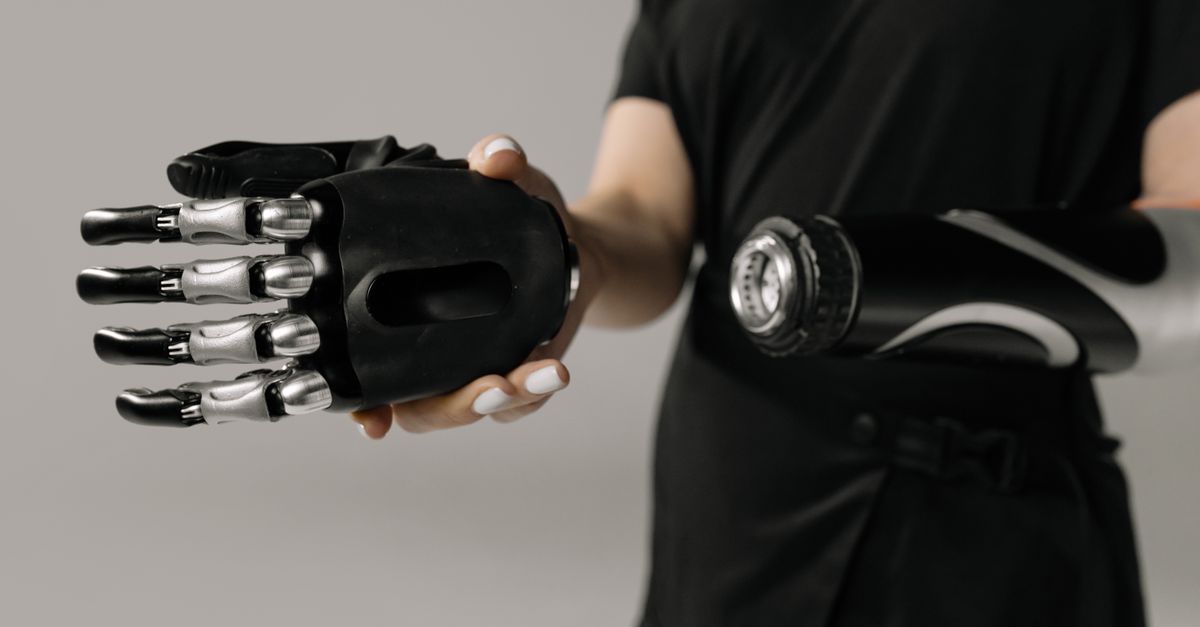
Cyberdyine’s Hybraid Assistive Limb (HAL) operates under a distinct clinical pathway. HAL utilizes surface electromyography (sEMG) sensors to detect neuromuscular signals and amplify them through actuators. The system received PMDA approval as a Class II medical device, enabling integration into Japanese hospitals and rehabilitation centers. HAL is deployed in both lower-body and upper-body configurations, with deployment protocols requiring physician oversight and patient-specific calibration.
Clinical evidence for HAL is documented through Japanese national trials and independent university studies. Outcomes highlight improved muscle activation patterns and reduced spasticity in post-stroke and SCI patients. The system’s reliance on sEMG signal quality means deployment success correlates with patient nerve integrity and skin preparation protocols. Cyberdyne maintains a direct service network in Japan, with international deployment managed through government-to-government medical device agreements and hospital pilot programs. Pricing and procurement are structured around institutional licensing rather than unit sales.
Clinical Evidence: What Independent Studies Show
The clinical literature on rehab exoskeletons is growing, but findings remain conditional. Key observations from independent reporting and peer-reviewed publications include:
- Gait velocity improvements are consistent but plateau after the initial 10–15 sessions, indicating that exoskeletons function as rehabilitation accelerators rather than standalone cures.
- Metabolic benefits are most pronounced in incomplete SCI and early-stage stroke patients; complete SCI users show minimal energy savings due to residual muscle atrophy.
- Neuromuscular adaptation is measurable via sEMG and gait analysis, but long-term retention of walking patterns requires continued conventional therapy post-device removal.
- Adverse events are rare but include skin abrasion, harness pressure points, and balance instability during transition phases. Safety protocols now mandate trained therapists and fall-arrest systems.
Manufacturers’ clinical white papers often emphasize peak performance metrics. Independent studies and hospital deployment logs provide the grounded baseline: exoskeletons improve rehabilitation efficiency, reduce therapist physical strain, and standardize gait training, but they do not replace biomechanical recovery timelines.
India Availability, Regulatory Pathway, and Approximate Pricing
Rehab exoskeletons are not yet commercially available through direct retail channels in India. Import requires CDSCO registration under the Medical Devices Rules, 2017, with classification as Class C or D devices depending on intended use and risk profile. Procurement is limited to tertiary care hospitals, rehabilitation institutes, and government-funded pilot programs. No domestic manufacturing of rehab exoskeletons has been announced as of the current reporting period.
Approximate landed costs in India can be estimated based on global pricing, import duties, and service contracts. Global unit pricing typically ranges from USD 70,000 to USD 120,000 depending on configuration and software licensing. Applying standard Indian medical device import duties, GST, and logistics surcharges yields an estimated landed cost of INR 75 lakhs to INR 1.3 crores per unit. This estimate is clearly flagged as a projection based on current customs rates and vendor pricing structures; actual procurement costs vary by hospital tender, volume discounts, and service agreement terms. Pilot deployments in India are managed through institutional grants or international medical technology partnerships, with pricing structured around multi-year service contracts rather than upfront hardware purchase.
Pilot Deployments and Service Realities
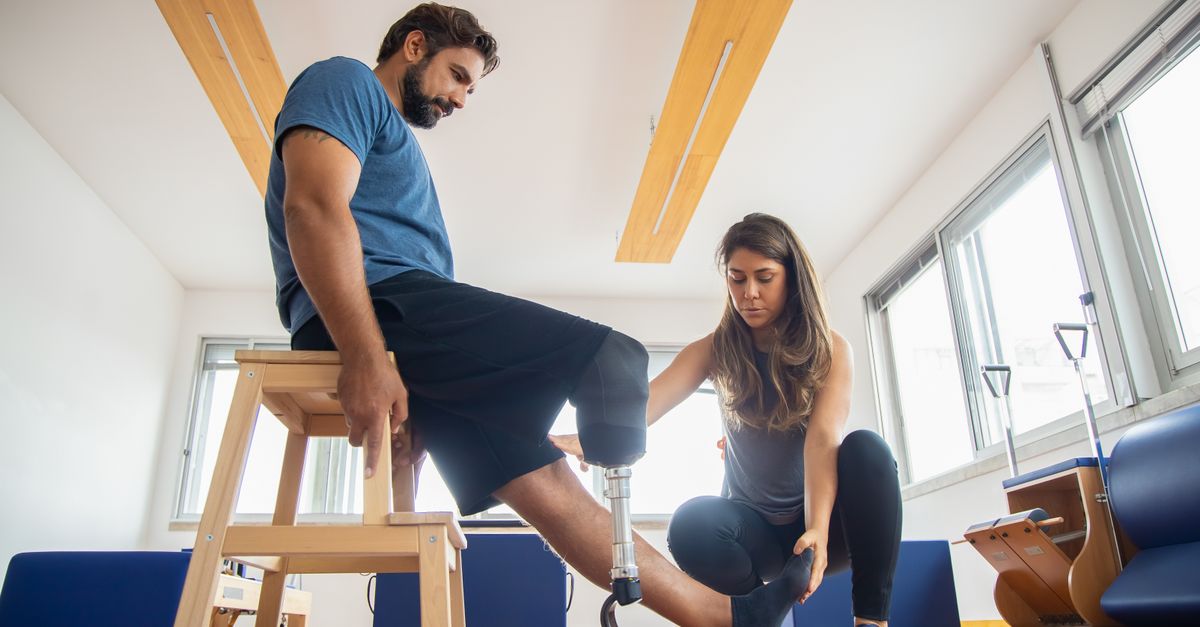
Deployment logistics dictate the real-world viability of rehab exoskeletons. Hospital pilots require dedicated treatment space, trained physiotherapists, and biomedical engineering support. Firmware updates, actuator calibration, and battery replacement are managed through vendor service agreements. Global deployment data shows that facilities with in-house technical staff achieve higher device utilization rates and lower downtime. Insurance coverage remains fragmented; in North America and Europe, certain commercial and government payers cover exoskeleton-assisted therapy under specific CPT or procedure codes, but coverage criteria require documented clinical progress and protocol adherence.
India’s rehabilitation infrastructure is expanding, but device procurement follows institutional budgeting cycles. Pilot programs at premier medical institutes and state rehabilitation centers have demonstrated feasibility, with outcomes focused on therapist workload reduction and standardized gait training. Commercial scale-up depends on CDSCO pathway clarification, domestic service networks, and insurance reimbursement frameworks.
Conclusion
Rehab exoskeletons have moved past the concept phase into measured clinical deployment. ReWalk, Ekso Bionics, and Cyberdyne HAL represent the only platforms with verified shipping hardware, regulatory clearance, and documented clinical outcomes. Independent evidence confirms efficacy in gait training, metabolic efficiency, and therapist support, while acknowledging limitations in long-term retention and hardware maintenance costs. India’s market remains in the pilot and institutional procurement stage, with landed cost estimates clearly flagged and regulatory pathways active. RobotWale will continue tracking deployment data, clinical follow-ups, and domestic manufacturing developments with the same hardware-first, evidence-grounded approach.
References
- ReWalk Robotics. Official Product Specifications and Clinical Data. https://rewalk.com/
- Ekso Bionics. Ekso GT Clinical Deployment and FDA 510(k) Clearance. https://ekso.com/
- FDA. 510(k) Summary for Ekso Bionics Ekso GT. https://www.accessdata.fda.gov/cdrh_docs/pdf12/K123348.pdf
- Cyberdyne Inc. Hybraid Assistive Limb (HAL) PMDA Approval and Clinical Integration. https://www.cyberdyne.jp/
- J Neuroeng Rehabil. Clinical outcomes of powered exoskeletons in stroke and SCI rehabilitation. https://jneuroengrehab.biomedcentral.com/articles/10.1186/s12984-021-00892-4
- CDSCO. Medical Devices Rules, 2017. Classification and Import Guidelines. https://cdsco.gov.in/
- World Health Organization. Rehabilitation Equipment Procurement and Deployment Guidelines. https://www.who.int/health-topics/rehabilitation
- IEEE Transactions on Neural Systems and Rehabilitation Engineering. Longitudinal gait metrics in exoskeleton-assisted therapy. https://ieeexplore.ieee.org/xpl/RecentIssue.jsp?punumber=7620
✓ Key takeaways
- •Hands-on view of Rehab Exoskeletons: Shipping Hardware, Clinical Evidence, and Market Reality inside our Rehab Exoskeletons library.
- •Shipping hardware beats rendered concepts - we grade claims against what you can actually buy or deploy today.
- •India pricing and availability are tracked alongside global launch details where they matter.
Related articles
More in Rehab Exoskeletons →