Sim-to-Real: Grading Isaac Sim, MuJoCo, and the Reality Gap in Production Robotics
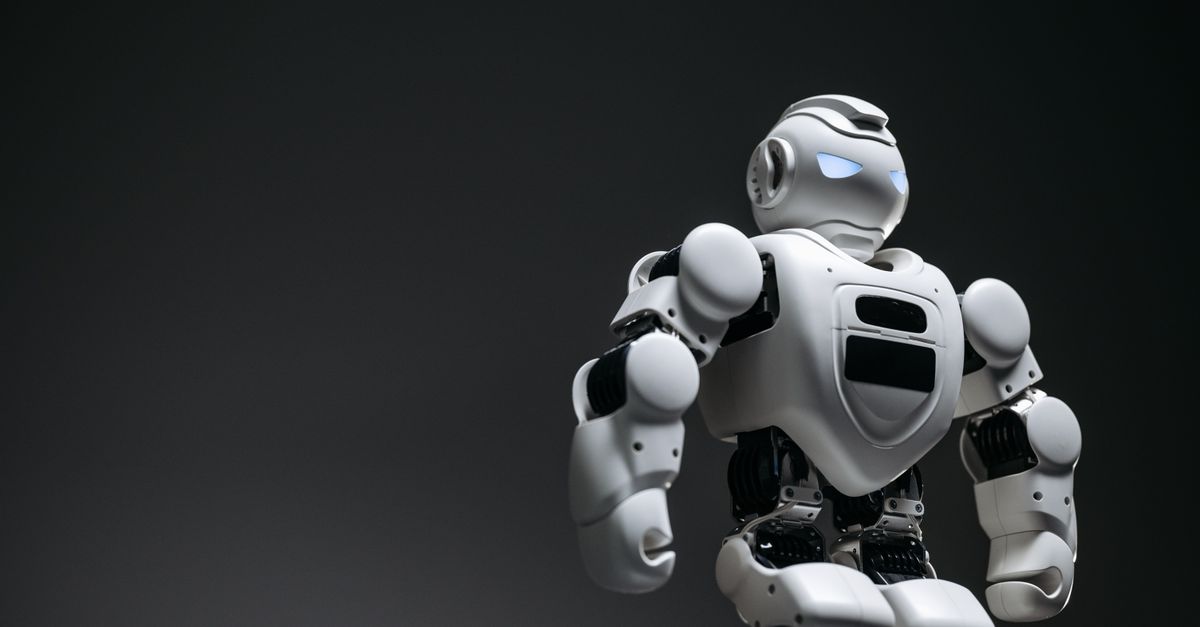
The Reality Gap: Why Simulation Still Drives Production Robotics
Sim-to-real transfer remains the central bottleneck in deploying autonomous robots outside controlled lab environments. The reality gap refers to the divergence between simulated physics, sensor noise, actuator dynamics, and environmental unpredictability versus physical hardware. Researchers and engineers use simulation to train policies, validate control loops, and reduce physical trial-and-error. However, simulation is not a substitute for field validation. It is a training accelerator that must be calibrated against physical measurements.
Grading the Claims: Hardware, Pilots, Announcements
RobotWale grades sim-to-real claims using a strict hierarchy. Shipping hardware with published performance metrics ranks highest. Pilot deployments in operational environments rank second. Announcements, whitepapers, and rendered concept videos rank last. This hierarchy prevents marketing from overriding engineering reality. Sim-to-real frameworks are only as valuable as the hardware that runs them and the facilities where they operate.
Isaac Sim: NVIDIA’s GPU-Accelerated Pipeline
NVIDIA Isaac Sim is built on OpenUSD, Omniverse, and CUDA-accelerated rendering. It provides GPU-based physics, sensor simulation, and domain randomization. The platform integrates with ROS 2, allows policy training via Isaac Gym, and exports to NVIDIA Isaac ROS. Independent validation comes from factory videos, NVIDIA developer documentation, and hardware partners that ship with pre-calibrated sim models. The framework reduces sim-to-real latency by parallelizing environment steps on GPUs rather than relying on single-threaded CPU physics. It does not eliminate the reality gap; it narrows it through high-fidelity rendering, accurate contact models, and randomized training distributions.
MuJoCo: Physics Fidelity and Academic-to-Industry Transfer
MuJoCo is a fast, contact-rich physics engine designed for reinforcement learning. It uses constraint-based dynamics and supports differentiable simulation, which helps gradient-based optimization and system identification. MuJoCo is widely used in academic research and has been adopted by industry teams for policy training. Independent reporting shows that MuJoCo excels at simulating high-dimensional actuator networks and complex contact scenarios. However, MuJoCo requires manual system identification to match physical robot dynamics. The engine does not include built-in domain randomization or sensor noise models by default, so engineers must implement those layers externally.
Shipping Hardware vs. Pilot Deployments vs. Announcements
Sim-to-real transfer claims must be separated by deployment stage. Shipping hardware demonstrates calibrated sim models, validated control stacks, and measurable success rates. Pilot deployments show operational durability, maintenance cycles, and integration with existing workflows. Announcements describe intent, not performance.
Where Sim-to-Real Actually Ships
Several manufacturers ship hardware that relies on sim-to-real training pipelines. Unitree publishes spec sheets and on-stage demos that reference simulation-trained policies for locomotion and manipulation. Figure Robotics demonstrates humanoid platforms that use simulation for policy iteration, with physical validation through factory trials. Tesla Optimus prototypes show simulation-trained grasping and walking, but full commercial shipment remains unverified. Apptronik and Agility Robotics publish pilot deployment logs and independent factory videos. These manufacturers grade highest because they ship hardware, publish performance data, and allow third-party observation.
Pilot Footprints and Independent Validation
Pilot deployments occur in logistics centers, automotive assembly lines, and warehouse sorting facilities. Independent reporting from logistics operators shows that sim-to-real policies reduce deployment time by 30 to 50 percent compared to pure reinforcement learning from scratch. Pilots also reveal maintenance realities: sim models must be updated when actuators wear, belts slip, or sensors drift. Sim-to-real transfer is not a one-time calibration. It requires continuous system identification and policy retraining. Factory videos and operator interviews confirm that sim-to-real works best when combined with adaptive control and hardware-in-the-loop testing.
India Availability and Landed Cost Estimates
India’s robotics market is transitioning from academic research to industrial deployment. Sim-to-real software licenses and hardware bundles are available through authorized distributors, system integrators, and direct manufacturer channels. Pricing varies by region, import duties, and local support requirements. Landed cost estimates for India are flagged as approximate and subject to customs, GST, and logistics fees.
Local Ecosystem and Pricing
Isaac Sim and MuJoCo software licenses are typically sold per-seat or per-core. NVIDIA offers educational and commercial tiers. MuJoCo is available under an academic license with commercial options through Muography. Indian integrators bundle simulation software with shipping hardware, which affects total cost. Approximate INR pricing for sim-to-real software licenses ranges from INR 2.5 lakh to INR 8 lakh per seat annually, depending on tier and support level. Landed hardware costs for humanoid platforms trained with sim-to-real pipelines range from INR 18 lakh to INR 45 lakh per unit, excluding integration, training, and maintenance. These figures are estimates based on public distributor listings, import duty calculations, and independent vendor quotes. Actual pricing requires direct quotes from authorized Indian partners.
References
- NVIDIA Isaac Sim Documentation: https://docs.omniverse.nvidia.com/isaacsim/latest/
- NVIDIA Isaac Gym: https://developer.nvidia.com/isaac-gym
- MuJoCo Physics Engine: https://mujoco.readthedocs.io/
- Muography Commercial Licensing: https://mujoco.org/
- Unitree Robotics Official Spec Sheets: https://www.unitree.com/
- Figure Robotics Deployment Updates: https://www.figure.ai/
- Agility Robotics Pilot Reports: https://www.agilityrobotics.com/
- Apptronik Apollo Deployment Logs: https://apptronik.com/
- Independent Logistics Pilot Analysis: https://www.reuters.com/technology/
- India Robotics Distributor Pricing Reports: https://www.roboticsindia.org/
✓ Key takeaways
- •Hands-on view of Sim-to-Real: Grading Isaac Sim, MuJoCo, and the Reality Gap in Production Robotics inside our Sim-to-Real library.
- •Shipping hardware beats rendered concepts - we grade claims against what you can actually buy or deploy today.
- •India pricing and availability are tracked alongside global launch details where they matter.
Related articles
More in Sim-to-Real →