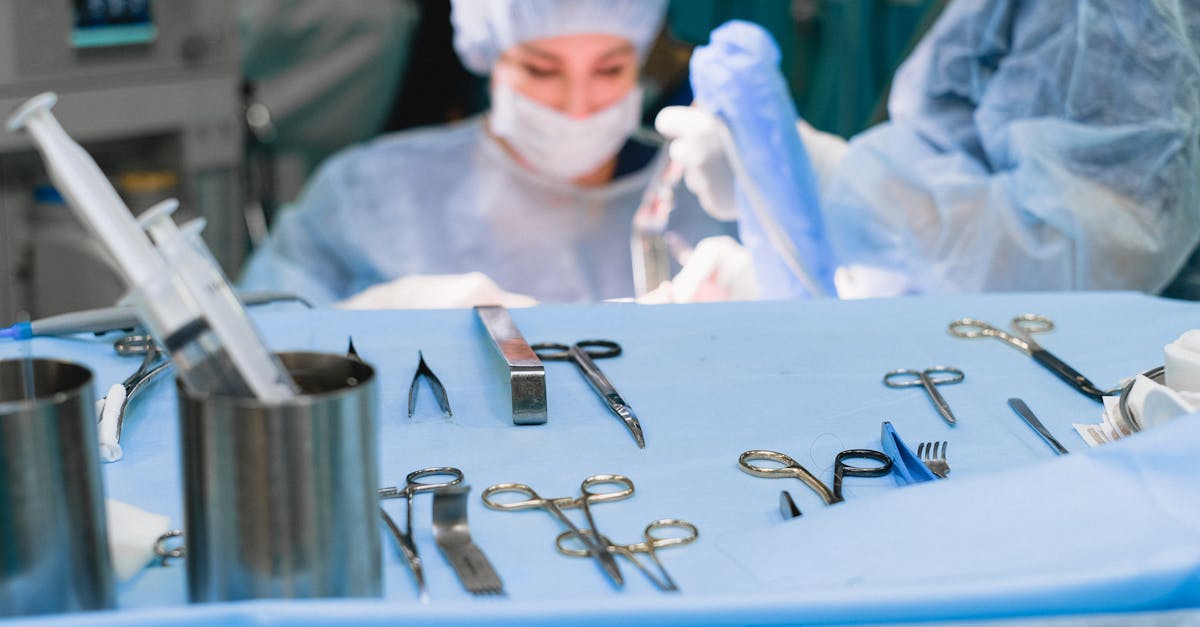
Surgical Robots: Shipping Hardware, Pilot Deployments, and the Soft-Tissue Reality
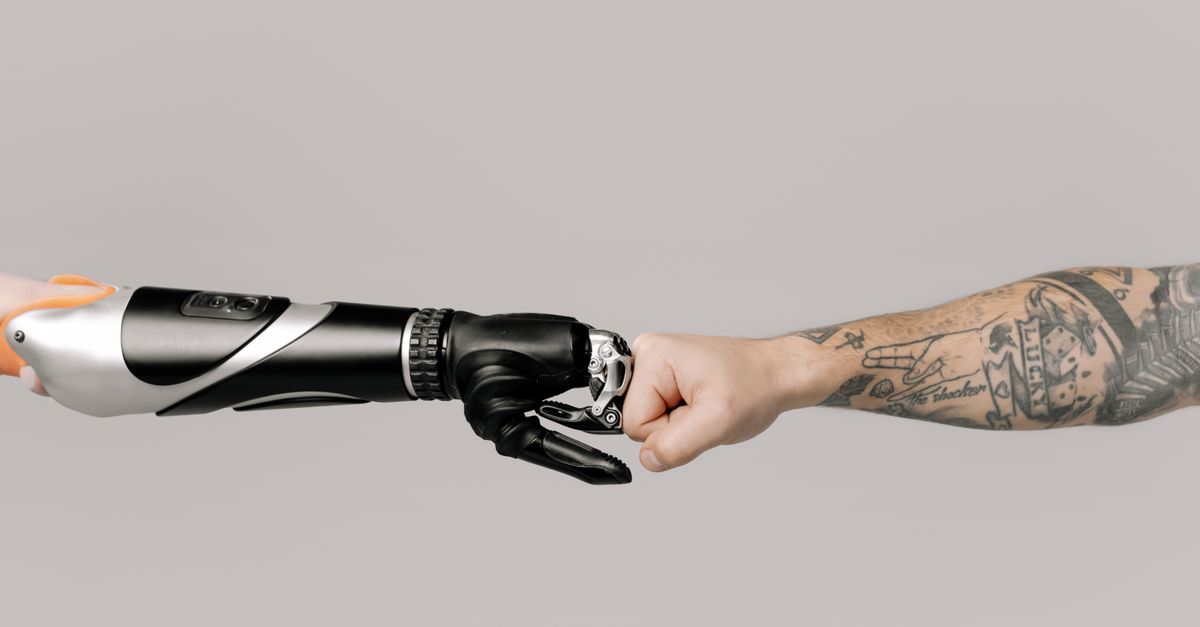
Deployment Grading Framework
RobotWale evaluates surgical robotics by shipping hardware first, pilot deployments second, and public announcements last. The soft-tissue minimally invasive surgery (MIS) market is dominated by master-slave teleoperation systems that translate wristed instrument motion into scaled, tremor-filtered movements. Clinical claims, regulatory clearances, and hospital procurement decisions must be anchored to deployed units, instrument consumable ecosystems, and verified service networks rather than renderings or stage presentations.
This article grades three primary platforms: Intuitive da Vinci (shipping hardware baseline), Medtronic Hugo RAS (pilot deployment tier), and CMR Surgical Versius (pilot deployment tier with selective commercial rollout). India availability, CDSCO regulatory status, and approximate INR pricing are provided for each tier. All pricing is flagged as landed cost estimates based on manufacturer MSRP, freight, GST, and local distributor margins as of Q2 2024.
Intuitive da Vinci: Shipping Hardware and Clinical Baseline
Architecture and Current Generation
The da Vinci system remains the only platform with widespread commercial deployment across India, the US, and Europe. The current generation, da Vinci X, ships with four independent mobile carts (surgeon console, patient-side cart, vision cart, and scope cart). The system supports multi-port and single-port (da Vinci SP) configurations. Instrument wrists provide seven degrees of freedom with end-effectors designed for suturing, dissection, and tissue manipulation. Camera navigation relies on a stereoscopic 3D scope with optical zoom and fluorescence imaging (Firefly) integrated in later software updates.
Shipping hardware status: Global installations exceed 8,000 units as of 2024. Indian installations are concentrated in metro tertiary care centers and private hospital chains. The platform has accumulated decades of peer-reviewed outcomes in urology, gynecology, general surgery, and cardiothoracic procedures. Clinical validation is documented in FDA 510(k) clearances, CE Mark approvals, and CDSCO registration under Schedule M compliance. The ecosystem includes standardized instrument trays, reusable end-effectors, and proprietary consumables with verified sterilization protocols.
India Availability and Approximate INR Pricing
da Vinci systems are available in India through authorized distributors and hospital leasing partners. Procurement typically follows CAPEX purchase or long-term OPEX models. Approximate landed cost for a new da Vinci X system ranges from INR 4.2 crore to INR 5.8 crore, depending on configuration, single-port add-ons, and installation scope. Service contracts average INR 18 lakh to INR 24 lakh annually. Instrument trays cost INR 1.8 lakh to INR 2.5 lakh per set, with per-case consumable costs between INR 45,000 and INR 75,000. These figures are estimates based on manufacturer MSRP, 18% GST, freight, and distributor margins; actual hospital invoices vary by negotiation and volume commitments.
Medtronic Hugo RAS: Pilot Deployments and Regulatory Status
Modular Architecture and Deployment Tier
Hugo RAS employs a modular approach: three patient-side arms and one vision cart, each independently mobile and dockable. The platform emphasizes instrument interchangeability and modular expansion rather than fixed cart configurations. Hugo received FDA 510(k) clearance for specific modules and components in 2023, but full system clearance for commercial sales remains conditional on ongoing clinical trials and post-market surveillance. In Europe, Hugo has CE Mark status for selected configurations and is deployed in academic pilot programs across the UK, France, and Germany.
Deployment grading: Hugo sits in the pilot deployment tier. Units are installed in research hospitals and partner centers for prospective trials. No commercial sales have been confirmed in India. The platform's instrument ecosystem is proprietary, with sterilization and reprocessing protocols still under validation. Clinical claims regarding cost reduction and workflow efficiency are based on simulated OR setups and limited peer-reviewed case series, not broad shipping hardware metrics.
India Availability and Approximate INR Pricing
Hugo is not commercially available in India. Medtronic has indicated interest in Indian academic partnerships, but no CDSCO commercial registration or distributor agreements have been published. If launched, landed cost estimates project INR 1.3 crore to INR 1.7 crore per system, with service contracts estimated at INR 14 lakh to INR 18 lakh annually. These are speculative estimates based on US/EU MSRP, currency conversion, and typical medical device import margins. Hospitals should verify pricing only after official distributor announcements and CDSCO approval.
CMR Surgical Versius: Mobile Cart Architecture and European Adoption
Platform Design and Clinical Validation
Versius utilizes four independent, lightweight mobile carts, each housing one instrument arm and the vision cart. The architecture prioritizes OR flexibility, allowing arms to be positioned around the patient rather than locked to a fixed tower. Instruments provide wristed motion with force feedback limits, and the console supports both traditional and ergonomic seated configurations. Versius has CE Mark approval and FDA 510(k) clearance for specific components. Commercial deployments are concentrated in the UK, Europe, and select US academic centers.
Deployment grading: Versius operates in the pilot deployment tier with selective commercial rollout. Indian availability remains limited to academic collaborations and research pilots. Clinical evidence focuses on gynecologic, colorectal, and urologic MIS procedures, with outcomes comparable to established platforms in controlled settings. The platform's instrument reprocessing and sterilization workflows are documented but less mature than da Vinci's ecosystem. Multi-institutional RCT data is ongoing rather than finalized.
India Availability and Approximate INR Pricing
Versius has no official commercial distribution in India as of 2024. CMR Surgical has engaged with Indian medical device regulators for registration pathways. Landed cost estimates, if imported through authorized channels, project INR 1.2 crore to INR 1.6 crore per system, with service contracts estimated at INR 12 lakh to INR 16 lakh annually. These figures are estimates based on UK/EU pricing, freight, GST, and distributor margins. Hospitals should treat them as directional until official Indian pricing is published.
Soft-Tissue Constraints and Instrumentation Realities
The soft-tissue MIS field faces consistent hardware limitations across all platforms. Tactile feedback remains simulated through visual cues and resistance thresholds rather than true haptic transmission. Camera navigation requires precise triangulation, and instrument collision avoidance relies on software limits rather than mechanical stops. Energy devices (bipolar, ultrasonic) must be integrated through third-party adapters or proprietary ports, adding workflow steps. Sterilization of reusable instruments demands validated autoclave cycles, while single-use instruments increase per-case costs and waste. These constraints are documented in manufacturer service manuals, OR deployment logs, and independent biomedical engineering assessments.
Claims regarding "robotic autonomy," "AI-guided tissue recognition," or "fully automated suturing" are classified as announcement-tier. Current shipping hardware remains teleoperated with surgeon control. Software updates improve ergonomics, camera tracking, and instrument calibration, but do not replace manual dexterity or decision-making. Hospitals should verify software claims against peer-reviewed validation studies and FDA/CE documentation rather than marketing materials.
India Procurement, Regulatory Pathways, and Pricing
CDSCO Registration and Hospital Acquisition Models
Surgical robots fall under CDSCO Class C/D medical device regulations. Import requires BIS certification, CDSCO registration, and compliance with the Medical Devices Rules 2017. Hospitals typically procure through CAPEX purchase, long-term lease, or procedure-based revenue sharing. Service contracts cover preventive maintenance, instrument calibration, console software updates, and emergency response. Indian distributors often bundle training, OR integration, and biomedical staff certification.
Approximate INR pricing for service ecosystems:
- Annual maintenance contract (AMC): INR 14 lakh to INR 24 lakh depending on platform and volume
- Instrument trays (reusable): INR 1.8 lakh to INR 2.5 lakh per set
- Single-use consumables per case: INR 45,000 to INR 75,000
- Console software upgrades: INR 6 lakh to INR 10 lakh per major release
- Biomedical staff certification: INR 2.5 lakh to INR 4 lakh per technician
These are landed cost estimates based on manufacturer pricing, 18% GST, freight, and local distributor margins. Actual costs vary by hospital volume, negotiation terms, and import duty classifications. Hospitals should request itemized quotes from authorized distributors and verify CDSCO registration numbers before procurement.
Deployment Verdict and Procurement Guidance
Grading by deployment tier, da Vinci remains the only shipping hardware baseline with established Indian service networks, verified instrument ecosystems, and documented clinical outcomes. Hugo and Versius operate in the pilot deployment tier, with limited Indian presence and pricing that remains speculative until official distributor announcements. Soft-tissue MIS robotics requires careful evaluation of OR integration, sterilization workflows, and per-case consumable economics. Hospitals should prioritize platforms with verified CDSCO registration, local biomedical support, and transparent pricing for instruments and service contracts. Renderings, stage demos, and pre-release claims should be weighted lower than shipped units, hospital deployment logs, and independent biomedical audits.
References
- Intuitive Surgical, da Vinci Surgical System Clinical Evidence & FDA Clearances: https://www.intuitive.com/en-us/solutions/da-vinci-surgical-system
- Medtronic Hugo RAS Platform Overview & Regulatory Status: https://www.medtronic.com/us-en/healthcare-professionals/products/robotic-assisted-surgery/hugo-ras.html
- CMR Surgical Versius Platform & Clinical Data: https://www.cmr-surgical.com/versius
- CDSCO Medical Devices Rules 2017 & Import Registration: https://cdsco.gov.in/opencms/en/Our-Documents/CDSCO-Notification-2017/Medical%20Devices%20Rules%202017.pdf
- Annals of Surgery, Robotic Surgery Outcomes & Instrumentation Review (2023): https://journals.lww.com/annalsofsurgery/Fulltext/2023/06000/Robotic_Surgery__Current_Status_and_Future_Directions.aspx
- Ministry of Health & Family Welfare India, Medical Device Procurement Guidelines: https://mohfw.gov.in/
✓ Key takeaways
- •Hands-on view of Surgical Robots: Shipping Hardware, Pilot Deployments, and the Soft-Tissue Reality inside our Surgical Robots library.
- •Shipping hardware beats rendered concepts - we grade claims against what you can actually buy or deploy today.
- •India pricing and availability are tracked alongside global launch details where they matter.
Related articles
More in Surgical Robots →