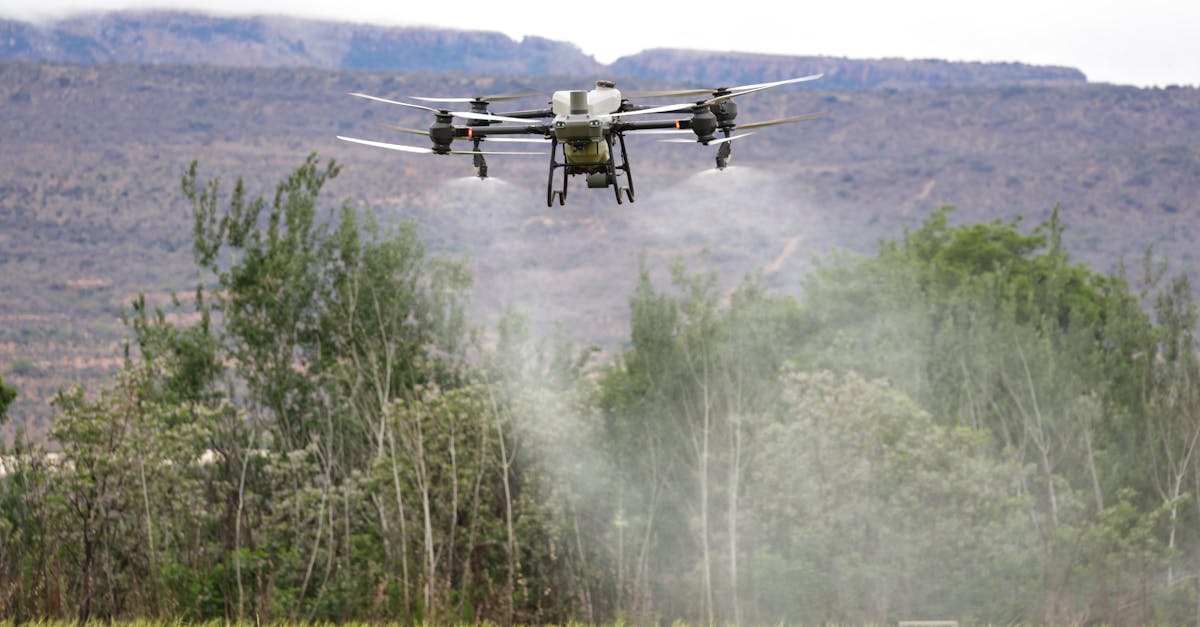
Agricultural Drones in India: Shipping Hardware, Pilot Deployments, and Market Realities

The Current State of Agricultural Drones in India
The Indian agricultural drone market has transitioned from concept demonstrations to measurable hardware deployments. Commercial viability in this sector is no longer driven by press releases or rendered animations, but by verified shipping units, active pilot programs, and established service networks. The grading standard for this assessment follows a strict hierarchy: shipping hardware first, pilot deployments second, and manufacturer announcements last. This approach filters out speculative claims and focuses on operational reality.
Agricultural drones in India are primarily deployed for crop spraying, seed broadcasting, and multispectral crop health monitoring. The sector is dominated by custom hiring models rather than direct farmer ownership. Operators purchase or lease equipment, register under the DGCA’s Remote Pilot License framework, and provide services to Farmer Producer Organizations (FPOs), Krishi Vigyan Kendras, and state agriculture departments. The Drone Dosti portal and state-level subsidy schemes have accelerated procurement, but maintenance infrastructure and battery lifecycle management remain the primary constraints on scaling.
DJI Agras Series: Market Leader and Shipping Status
Hardware Specifications and Verified Deployments
DJI Agras holds the largest verified fleet in India, with the T50 and T40 models representing the current shipping standard. The T50 features a 50-liter spray tank, dual-frequency centrifugal nozzles, and an integrated RTK positioning module for centimeter-level accuracy. It supports automated flight paths, obstacle avoidance via omnidirectional sensors, and real-time crop mapping through DJI Terra integration. The T40 offers a 40-liter capacity with similar navigation architecture. Both models are actively shipped to India through authorized distributors and are documented in independent agricultural technology reports.
Verified deployments span Punjab, Haryana, Uttar Pradesh, Maharashtra, Tamil Nadu, and Karnataka. Field operators report consistent performance in paddy, wheat, cotton, and horticultural spraying. The T25 and T25P variants serve smaller plots and high-value crops. DJI has phased out the T30 in favor of the T50 architecture, aligning with global supply chain consolidation. Independent testing confirms reliable spray calibration, but battery degradation after 200–300 cycles requires proactive replacement planning.
India Availability and Approximate INR Pricing
DJI Agras units are widely available across Indian states through authorized channels. Landed cost estimates (excluding state GST and optional charging stations) are as follows:
- Agras T50: ₹14.5–16.5 lakhs
- Agras T40: ₹12.0–13.5 lakhs
- Agras T25P: ₹8.5–9.5 lakhs
Prices vary based on regional taxation, battery pack configuration, and distributor margins. Spare parts, replacement nozzles, and firmware support are readily available through DJI’s Indian service network. Operators typically bundle purchases with training programs and custom hiring software licenses.
Garuda Aerospace: Domestic Integration and Pilot Programs
Fleet Architecture and Operational Pilots
Garuda Aerospace focuses on indigenous manufacturing and defense-agriculture crossover platforms. The company’s agri-drone lineup emphasizes modular payload integration, domestic component sourcing, and compliance with the PLI scheme for drones. Hardware specifications prioritize heavy-lift capability, corrosion-resistant airframes, and interoperability with third-party spraying systems. The fleet is designed for sustained operation in high-humidity and high-temperature environments common across southern and western India.
Pilot deployments have been active in Karnataka, Andhra Pradesh, Tamil Nadu, and Telangana. Collaborations include state agriculture departments, Krishi Vigyan Kendras, and FPO networks. Pilots focus on precision spraying, nutrient management, and crop stress mapping. Garuda’s domestic manufacturing model allows faster component replacement and localized firmware updates compared to imported alternatives. Deployment status remains in the active pilot and limited commercial phase, with scaling dependent on subsidy disbursement and operator training completion.
India Availability and Approximate INR Pricing
Garuda Aerospace units are procured through direct B2B channels and government tenders. Estimated unit pricing ranges from ₹11.0–14.0 lakhs, depending on payload capacity, battery configuration, and software integration. PLI subsidies can reduce effective procurement costs by 20–30%. The company maintains an expanding service network through authorized partners, with technical support focused on fleet management and calibration.
Indian Agri-Drone Startups: From Announcements to Active Fleets
Key Players and Shipping Hardware
Domestic startups have moved from concept announcements to limited hardware shipping. Notable players include Agribots, Taranaksh, DroneOn, and Airtificial Intelligence. Agribots ships T60 and T80 variants with modular spray systems and IoT-enabled crop monitoring. Taranaksh integrates drone hardware with precision agriculture software for field mapping and variable-rate application. DroneOn provides custom spraying frames optimized for horticulture and vineyard operations. Airtificial Intelligence focuses on AI-driven flight planning and automated obstacle avoidance.
Third-party evaluations indicate mixed reliability across the startup segment. Hardware performance varies significantly in spray calibration, battery thermal management, and humidity resistance. Startups that have shipped functional units report active deployments in Madhya Pradesh, Rajasthan, Kerala, and Gujarat. The transition from announcement to shipping has been accelerated by state procurement programs and PLI incentives, but supply chain consistency remains a differentiator.
Policy Support and State-Level Pilots
Indian policy frameworks have provided structured support for agricultural drone adoption. The Drone Dosti portal simplifies registration and type certification. State subsidy programs offer up to 100% cost coverage for women-led FPOs and 50% for other groups in select states. The PLI scheme for drone manufacturing incentivizes domestic production, reducing import dependency on critical components. Pilots in horticulture-rich states focus on high-value crop spraying, reducing chemical waste and improving yield consistency. Deployment pace is constrained by pilot training infrastructure and maintenance ecosystem maturity.
Market Realities and Procurement Considerations
Service Cost vs. Ownership
Custom hiring rates for agricultural spraying in India range from ₹800–1,200 per acre, depending on crop type, terrain, and service provider scale. Direct ownership is economically viable only for operators managing 500+ acres annually. Battery replacement, motor servicing, and nozzle calibration must be factored into long-term cost models. Service providers with established FPO contracts achieve higher utilization rates and faster ROI compared to individual farmers.
Regulatory and Maintenance Constraints
DGCA mandates Remote Pilot License certification for commercial operations. Type certification and airworthiness approvals are required for fleet registration. Import duties on flight controllers, ESCs, and specialized batteries impact domestic pricing and supply chain stability. Spare parts availability remains a bottleneck for non-DJI brands, requiring operators to maintain larger inventory buffers. Training programs and calibration protocols must be standardized to ensure consistent spray coverage and prevent crop damage.
Conclusion
The agricultural drone sector in India is progressing through a hardware-first phase. DJI Agras maintains market leadership with verified deployments and widespread availability. Garuda Aerospace and domestic startups are scaling through PLI incentives and state pilots, though hardware reliability and maintenance infrastructure require continued refinement. Procurement decisions should prioritize shipping units over announcements, evaluate service networks, and account for battery lifecycle costs. The sector’s growth depends on sustained pilot training, subsidy transparency, and localized technical support.
References
- DJI Agras T50 Specifications: https://www.dji.com/ind/agrasseries
- DJI Agras T40 Specifications: https://www.dji.com/ind/agrasseries/t40
- Garuda Aerospace Official Site: https://www.garudaaerospace.com/
- Drone Dosti Portal (DGCA): https://dronedosti.gov.in/
- PLI Scheme for Drones (DPIIT): https://dred.gov.in/
- DGCA Remote Pilot License Guidelines: https://dgca.gov.in/
- Ministry of Agriculture & Farmers Welfare Drone Guidelines: https://agrisoft.dac.gov.in/
- State Subsidy Programs (Karnataka, Tamil Nadu, Punjab): https://www.kar.nic.in/, https://agriculture.tn.gov.in/, https://punjab.gov.in/
✓ Key takeaways
- •Hands-on view of Agricultural Drones in India: Shipping Hardware, Pilot Deployments, and Market Realities inside our Agricultural Drones library.
- •Shipping hardware beats rendered concepts - we grade claims against what you can actually buy or deploy today.
- •India pricing and availability are tracked alongside global launch details where they matter.
Related articles
More in Agricultural Drones →