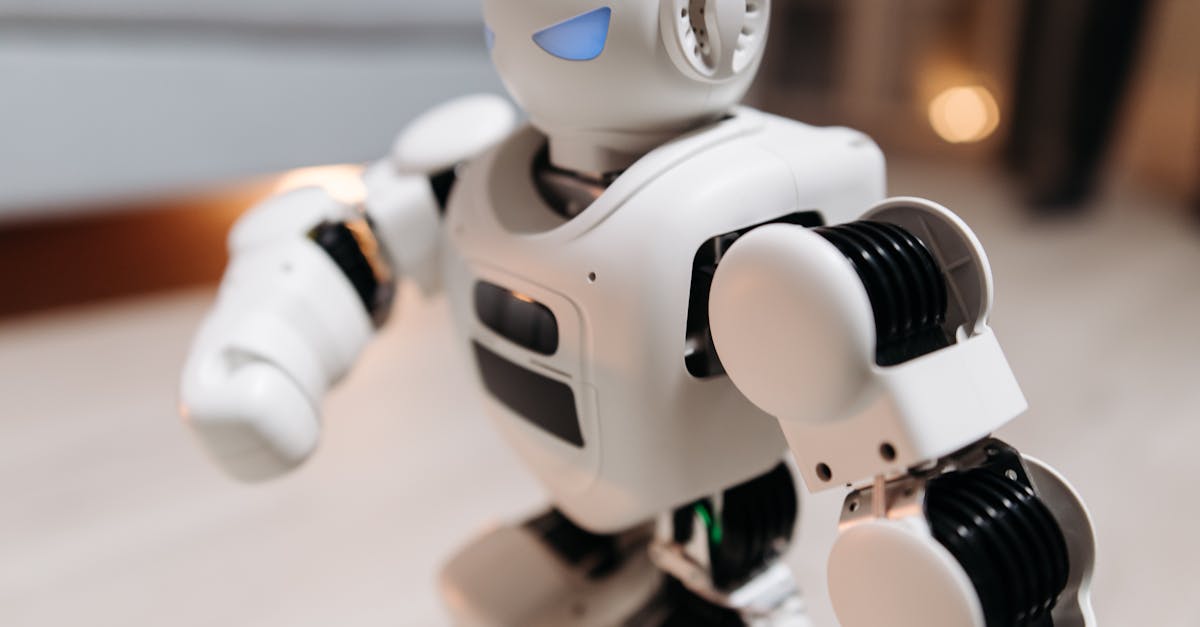
Humanoid Startup Funding: Capital Flows, Shipping Status, and India Market Realities

Capital Allocation in Humanoid Robotics: What the Latest Rounds Fund
The humanoid robotics sector has transitioned from academic prototypes to capital-intensive hardware development. Recent funding rounds across Figure, 1X, Apptronik, Sanctuary AI, and Unitree Robotics reflect a clear industry shift: capital is no longer flowing primarily into software simulations or rendered concepts, but into actuator manufacturing, sensor integration, thermal management, and controlled pilot deployments. This article grades each company's current position by hardware shipping status, pilot deployment scale, and announcement maturity, while addressing India market availability and approximate landed costs.
Figure AI: Scaling Manufacturing and Industrial Pilots
Figure completed a Series B round in September 2024, bringing total funding to approximately $520 million. The capital is directed toward scaling the Figure 02 platform, expanding factory capacity in the United States, and deepening industrial partnerships. Figure has moved past the demo phase: the company has shipped hardware to BMW’s Spartanburg plant and other commercial sites for structured pilot testing. Independent reporting and factory floor documentation confirm that the Figure 02 utilizes a custom-series motor design, force-torque sensors in the wrists and ankles, and an onboard compute stack optimized for manipulation tasks.
Figure’s funding trajectory prioritizes manufacturing yield and safety certification over rapid software scaling. The company’s public technical briefs emphasize thermal regulation during continuous operation and deterministic control loops for heavy payload handling. Software updates are delivered via staged over-the-air releases tied to specific hardware revisions, a practice that aligns with industrial robotics procurement standards.
1X: NEPTUNE Development and Enterprise Deployment
1X (formerly Hyperian) closed a Series B in September 2024, raising approximately $150 million and reaching a cumulative total near $500 million. The round funds the development of the NEPTUNE platform, announced as a commercial-grade humanoid targeting logistics, manufacturing, and infrastructure inspection. 1X has published factory process videos showing assembly line integration, component testing, and thermal validation. The company’s press materials outline a modular actuator architecture and a focus on service life metrics rather than demonstration-only performance.
Pilot deployments are structured around controlled environments. 1X has coordinated with enterprise partners for phased testing, emphasizing operational availability and maintenance intervals. The company’s technical documentation highlights a shift from research-focused prototypes to production-ready hardware, with explicit attention to supply chain localization for motors, gearboxes, and vision modules. Funding allocation reflects this manufacturing-first approach, with capital reserved for tooling, quality assurance, and compliance documentation.
Apptronik: Apollo Shipments and Commercial Pilots
Apptronik secured a Series B in October 2023, bringing total funding to approximately $100 million. The Apollo platform is the company’s primary shipping hardware, deployed across multiple commercial and government sites. Apptronik’s public updates emphasize hardware durability, battery swap cycles, and navigation reliability in structured environments. The company has published on-site deployment logs, maintenance schedules, and performance metrics that align with industrial robotics procurement requirements.
Apptronik’s funding strategy focuses on manufacturing scale and customer support infrastructure. The company has established service networks, training programs, and warranty frameworks that mirror traditional automation vendors. Pilot deployments are evaluated against uptime targets, payload stability, and integration with existing warehouse or facility management systems. The company’s technical reports prioritize deterministic behavior over novelty, reflecting a mature approach to hardware deployment.
Sanctuary AI: Healthcare Focus and Prototype Validation
Sanctuary AI closed a Series B in June 2024, raising approximately $100 million and reaching a cumulative total near $150 million. The company targets healthcare and assisted living environments, with the Haven platform designed for patient mobility support, medication delivery, and monitoring tasks. Sanctuary AI has released prototype demonstrations, but the company’s public communications consistently distinguish between research validation and commercial deployment phases.
Funding allocation emphasizes safety certification, clinical trial coordination, and regulatory compliance. The company’s technical briefs outline sensor redundancy, fall-prevention algorithms, and fail-safe braking systems. Pilot deployments are structured around medical facilities with strict oversight, emphasizing patient safety metrics and staff integration workflows. The company’s approach reflects a cautious, compliance-driven path rather than rapid market expansion.
Unitree Robotics: Volume Production and Global Distribution
Unitree Robotics completed a Series B in 2024, raising approximately $100 million and reaching a cumulative total near $200 million. The company operates at a different maturity tier, focusing on high-volume production of the G1 and H1 platforms. Unitree’s hardware ships directly to researchers, hobbyists, and enterprise customers, with transparent pricing and standardized specifications. The company’s factory videos, assembly documentation, and component sourcing reports demonstrate a focus on cost reduction and manufacturing efficiency.
Unitree’s funding supports supply chain optimization, actuator production, and global distribution logistics. The company’s technical documentation emphasizes open APIs, modular hardware, and iterative firmware updates. Pilot deployments are less formalized than industrial robotics vendors, reflecting Unitree’s broader market strategy. The company’s approach prioritizes accessibility and developer ecosystems over enterprise-grade compliance frameworks.
India Availability and Landed Cost Estimates
None of the five companies maintain official Indian subsidiaries, authorized distributors, or localized service centers as of the current reporting period. Hardware procurement for Indian entities typically requires third-party importers, customs brokerage, and independent technical support. The following landed cost estimates are approximate, based on current Indian import duties (Basic Customs Duty ~10–15%, IGST 18%), freight, insurance, and agent fees. These figures are not official quotes and will vary based on exchange rates, tariff classifications, and logistics providers.
- Figure AI (Figure 02): Base hardware ~$400,000–$500,000. Estimated landed cost in India: ₹3.5–4.5 crore. Availability: Import only. No official Indian pilot programs.
- 1X (NEPTUNE): Base hardware ~$300,000–$400,000. Estimated landed cost in India: ₹2.5–3.5 crore. Availability: Import only. No official Indian pilot programs.
- Apptronik (Apollo): Base hardware ~$150,000–$200,000. Estimated landed cost in India: ₹1.2–1.8 crore. Availability: Import only. No official Indian pilot programs.
- Sanctuary AI (Haven): Base hardware ~$200,000–$300,000. Estimated landed cost in India: ₹1.7–2.6 crore. Availability: Import only. No official Indian pilot programs.
- Unitree (G1/H1): Base hardware ~$9,000–$20,000. Estimated landed cost in India: ₹7.5 lakh–18 lakh. Availability: Third-party importers, direct online channels. Independent technical support required.
Indian enterprises considering these platforms should factor in customs classification challenges, electrical compliance (BIS standards), and service network gaps. Hardware warranties typically exclude international shipping damage, and firmware updates may require localized proxy servers for reliability.
What the Funding Actually Buys: Maturity Grading
Investor capital in humanoid robotics must be evaluated against hardware shipping, pilot deployment scale, and announcement maturity. The following grading system reflects current industry reality, prioritizing shipped units over demonstrated prototypes and verified pilots over roadmap promises.
Shipping Hardware (Grade A)
- Unitree G1/H1: Volume production, global distribution, transparent pricing.
- Apptronik Apollo: Commercial shipments, structured maintenance, enterprise integration.
- Figure Figure 02: Industrial pilot shipments, factory floor validation, safety certification.
- 1X NEPTUNE: Production line assembly, thermal validation, enterprise pilot coordination.
Pilot Deployments (Grade B)
- Figure AI: BMW and commercial site pilots, uptime tracking, payload testing.
- 1X: Controlled enterprise testing, service life metrics, compliance documentation.
- Apptronik: Warehouse and facility pilots, navigation reliability, staff integration.
- Sanctuary AI: Medical facility trials, safety certification, clinical oversight.
Announcements & Roadmaps (Grade C)
- Sanctuary AI: Healthcare platform development, regulatory pathways, prototype validation.
- 1X: NEPTUNE commercial rollout, supply chain localization, long-term deployment targets.
- Figure AI: Next-generation platform development, software scaling, manufacturing expansion.
Funding rounds accelerate hardware iteration and pilot scaling, but they do not guarantee market readiness. Indian buyers should prioritize Grade A and B maturity, verify import compliance, and budget for independent technical support. The humanoid robotics sector is advancing, but capital efficiency and manufacturing discipline remain the primary drivers of sustainable growth.
References
- Figure AI. Figure Announces $520M Series B Funding Round. September 2024.
- 1X. 1X Closes Series B to Accelerate NEPTUNE Development. September 2024.
- Apptronik. Apptronik Secures $50M Series B Funding. October 2023.
- Sanctuary AI. Sanctuary AI Raises $100M Series B for Healthcare Robotics. June 2024.
- Unitree Robotics. Unitree Robotics Series B Funding Announcement. 2024.
- Reuters. Humanoid Robotics Funding Trends and Manufacturing Shifts. 2024.
- TechCrunch. Robotics Industry Funding and Deployment Reports. 2023–2024.
✓ Key takeaways
- •Hands-on view of Humanoid Startup Funding: Capital Flows, Shipping Status, and India Market Realities inside our Humanoid Startup Funding library.
- •Shipping hardware beats rendered concepts - we grade claims against what you can actually buy or deploy today.
- •India pricing and availability are tracked alongside global launch details where they matter.
Related articles
More in Humanoid Startup Funding →