Tesla Optimus Programme: The Roadmap vs. Reality
Introduction: Beyond the Concept Render
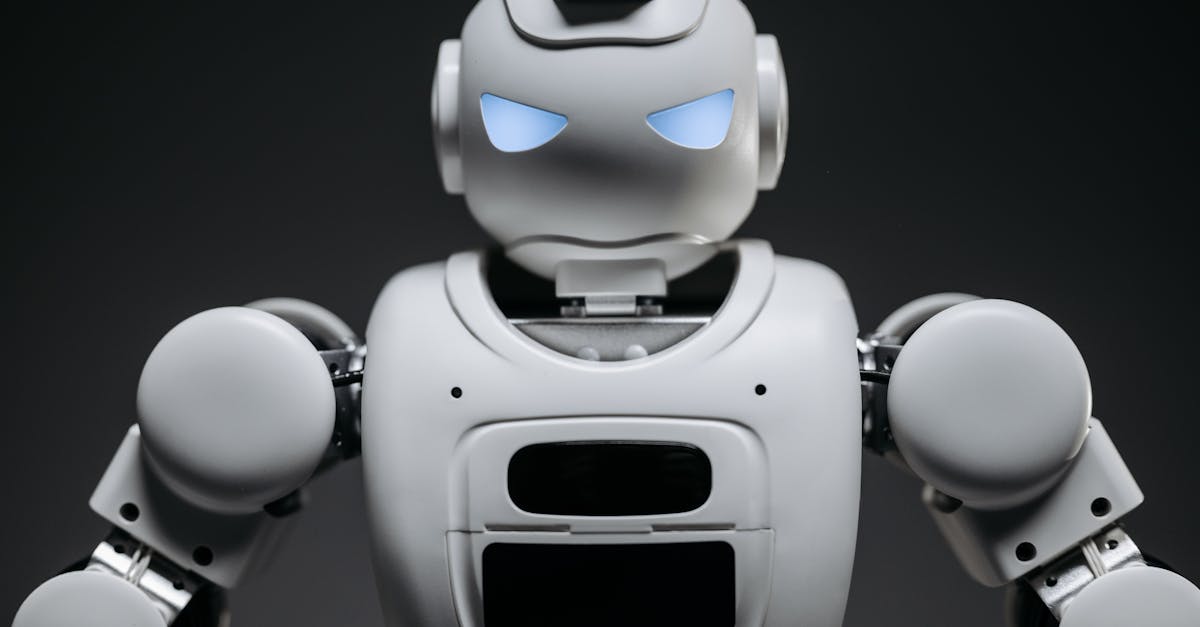
Tesla’s entry into the humanoid robotics sector via the Optimus programme represents one of the most high-profile bets in the automation industry. However, distinguishing between Elon Musk’s ambitious projections and the actual engineering deliverables requires a rigorous examination of shipping hardware, pilot deployments, and independent verification. As of late 2024, the Optimus remains primarily a prototype and pilot-stage asset rather than a commercially available product for general sale. This article evaluates the current standing of the Optimus Gen 2 unit based on manufacturer data, factory videos, and third-party reporting.
Hardware Specifications and Engineering Constraints
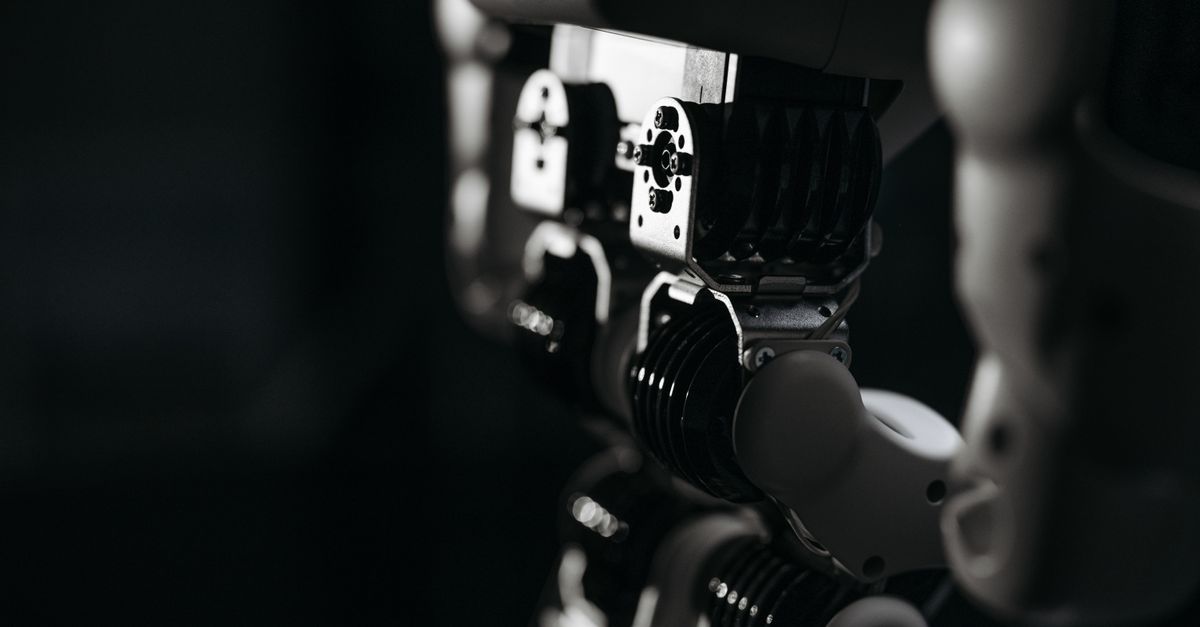
The Optimus Gen 2 hardware specifications have been detailed in Tesla’s AI Day presentations and subsequent investor communications. The unit is designed to weigh approximately 125 pounds (57 kg) and carry payloads of up to 45 pounds (20 kg). This payload capacity is critical for logistics applications, such as moving boxes on an assembly line or retrieving items from a warehouse rack. Unlike many competitors that prioritize speed over stability, Tesla’s focus appears to be on energy efficiency and durability, utilizing a custom actuator design that integrates motors, drives, and brakes into a single unit.
The powertrain relies on a 4.8 kWh battery pack, which Tesla claims allows for 2 to 3 hours of continuous operation. This is a significant constraint for industrial use cases that often run on 8-hour shifts. While the company has not released a third-party certified battery cycle life report, the reliance on proprietary actuation suggests a push to reduce the bill of materials (BOM) to drive down costs. The current actuation system includes over 40 degrees of freedom, allowing for complex manipulation tasks like folding laundry or handling fragile objects. However, the absence of a publicly available technical datasheet limits independent verification of torque output and repeatability accuracy.
Manufacturing and Supply Chain
Tesla’s advantage lies in its vertical integration. Much of the actuator and battery technology is sourced from the company’s existing automotive supply chain, particularly the 4680 cell ecosystem. This integration reduces the time required to source components compared to startups that rely on third-party vendors like Harmonic or Maxon. Nevertheless, the transition from automotive to robotics manufacturing introduces new challenges regarding precision assembly and thermal management in non-climate-controlled environments.
Deployment Status: Factories vs. Consumer Market
The clearest indicator of Optimus’s maturity is where it is currently operating. As of September 2024, the Optimus units have been deployed for pilot programs within Tesla’s own manufacturing facilities in Texas and California. Video evidence shows the robots performing tasks such as sorting parts, carrying boxes, and moving around the Gigafactory floor. These pilots are strictly internal, serving as a proof of concept for Tesla’s workforce automation strategy.
Tesla has not announced a commercial rollout date for external customers. The roadmap targets a transition from internal pilot to external sales only after the unit demonstrates reliability in unstructured environments. This contrasts sharply with competitors like Figure AI or Agility Robotics, which have announced early commercial deployments in logistics hubs. The absence of a public pricing structure for 2024 models indicates that the unit is not yet in a production-ready state for widespread adoption.
Operational Limitations
While the robots demonstrate walking and manipulation, current footage suggests limitations in dexterity and environmental interaction. The units have not yet demonstrated the ability to navigate complex, crowded human environments safely without supervision. This is a critical hurdle for the "humanoid" promise, which implies operating alongside people without safety cages or barriers. The reliance on visual-only navigation systems, similar to Tesla’s Full Self-Driving (FSD) stack for cars, introduces risks in low-light or occluded conditions.
AI and Software Architecture
Optimus relies heavily on Tesla’s Dojo supercomputer and the FSD training pipeline. The robot uses a neural network trained on real-world data to interpret scenes and execute motor commands. This approach differs from traditional robotics which often relies on pre-programmed trajectories. The claim is that the robot learns by observing human demonstrations and refining its policies through reinforcement learning.
However, the transparency regarding the data pipeline is limited. Independent observers have noted that the system currently requires significant human intervention for complex tasks. The transition from supervised learning to fully autonomous operation remains the primary technical hurdle. Without third-party audits of the safety layers and redundancy systems, the reliability claims remain speculative.
India Market Context and Availability
For the Indian robotics market, the Optimus programme currently holds no immediate availability. As of 2024, Tesla does not sell vehicles or hardware in India, which precludes the import of Optimus units. The regulatory framework for autonomous mobile robots in India is still in its nascent stages, with no specific statutory standards for humanoid safety or liability.
Even if the hardware were available, the landed cost estimate would be prohibitive for the average Indian industrial buyer. Elon Musk has stated a target price of $20,000 USD for the Optimus unit in the long term. Converting this to Indian Rupees at an approximate exchange rate of 83 INR per USD, the base cost would be around ₹16.6 Lakhs. However, this estimate excludes import duties, which can range from 15% to 40% for high-tech electronics, along with GST and logistics costs. A realistic landed cost estimate for India would exceed ₹25 Lakhs ($30,000 USD) when factoring in tariffs, service infrastructure, and compliance certification.
Regulatory Barriers
India’s Department of Industrial Policy and Promotion (DIPP) and the Department of Science and Technology are currently formulating policies for robotics. The lack of a clear liability framework for autonomous machines creates a barrier for enterprise adoption. Indian manufacturers currently prefer collaborative robots (cobots) from established brands like ABB, FANUC, or Universal Robots, which offer proven safety certifications and local service networks.
Competitive Landscape and Market Position
Tesla faces stiff competition from established players in the humanoid space. Boston Dynamics’ Atlas has demonstrated advanced locomotion, while Figure AI has secured partnerships with BMW and Amazon. Tesla’s value proposition is cost and scale, but this is currently unproven in the commercial sector. The gap between a robot that can walk in a controlled factory and one that can work in a dynamic warehouse is significant.
Furthermore, the geopolitical landscape affects the availability of chips and actuators. Export controls on advanced semiconductors could impact the production of the Optimus unit, particularly if the Dojo chip supply chain faces restrictions. This adds another layer of uncertainty to the supply forecast.
Conclusion: A High-Stakes Bet
The Tesla Optimus programme is a significant development in the robotics industry, driven by Tesla’s engineering culture and vertical integration. However, the current status is that of an advanced prototype undergoing internal pilot testing. The claims of $20,000 pricing and mass deployment are not yet reflected in shipping hardware or verified customer contracts.
For the Indian market, the Optimus remains a distant prospect. Until Tesla establishes a local service presence and navigates the import regulatory framework, Indian enterprises are better served by evaluating existing commercial humanoid solutions. The roadmap is ambitious, but the reality of deployment requires patience and verification beyond the marketing narrative.
References
Tesla Optimus Official Page https://www.tesla.com/optimus
Tesla AI Day 2023 Technical Presentation https://www.tesla.com/ai
Bloomberg - Tesla Optimus Ambitions Reality Check https://www.bloomberg.com/news/articles/2024-01-16/tesla-optimus-robot-ambitions-stumble-on-fewer-than-expected-sales-targets
Reuters - Tesla Optimus Factory Deployment https://www.reuters.com/technology/tesla-optimus-robot-ready-to-work-factories-2024-09-13/
✓ Key takeaways
- •Hands-on view of Tesla Optimus Programme: The Roadmap vs. Reality inside our Tesla Optimus Programme library.
- •Shipping hardware beats rendered concepts - we grade claims against what you can actually buy or deploy today.
- •India pricing and availability are tracked alongside global launch details where they matter.
Related articles
More in Tesla Optimus Programme →