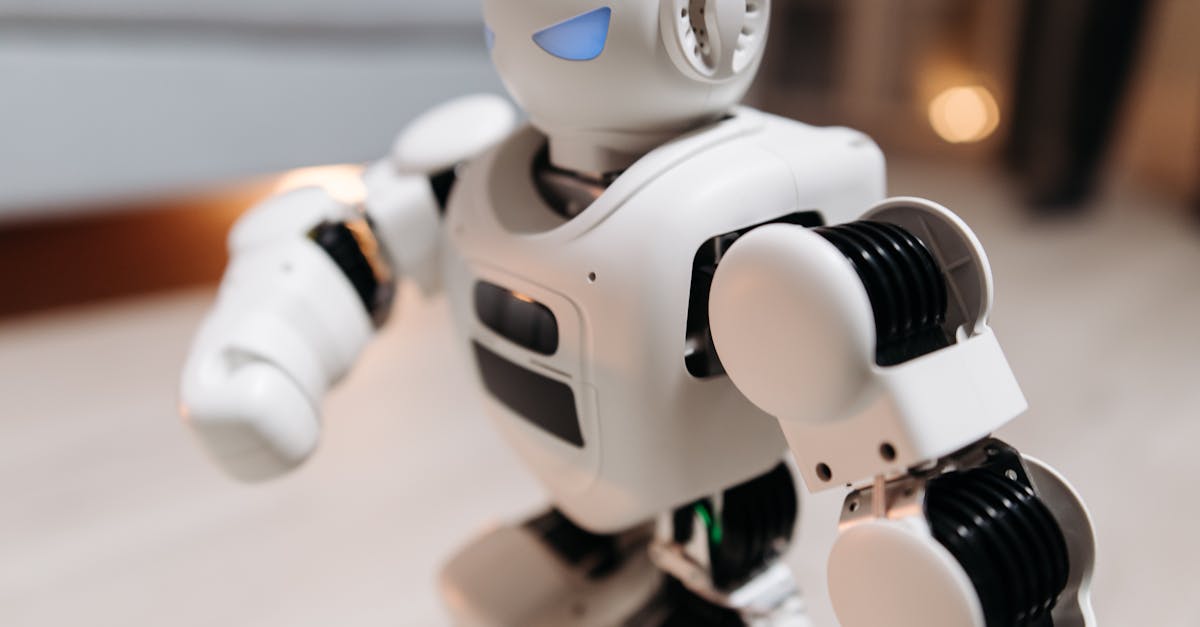
Inside Tesla's Humanoid Bet: The Optimus Programme
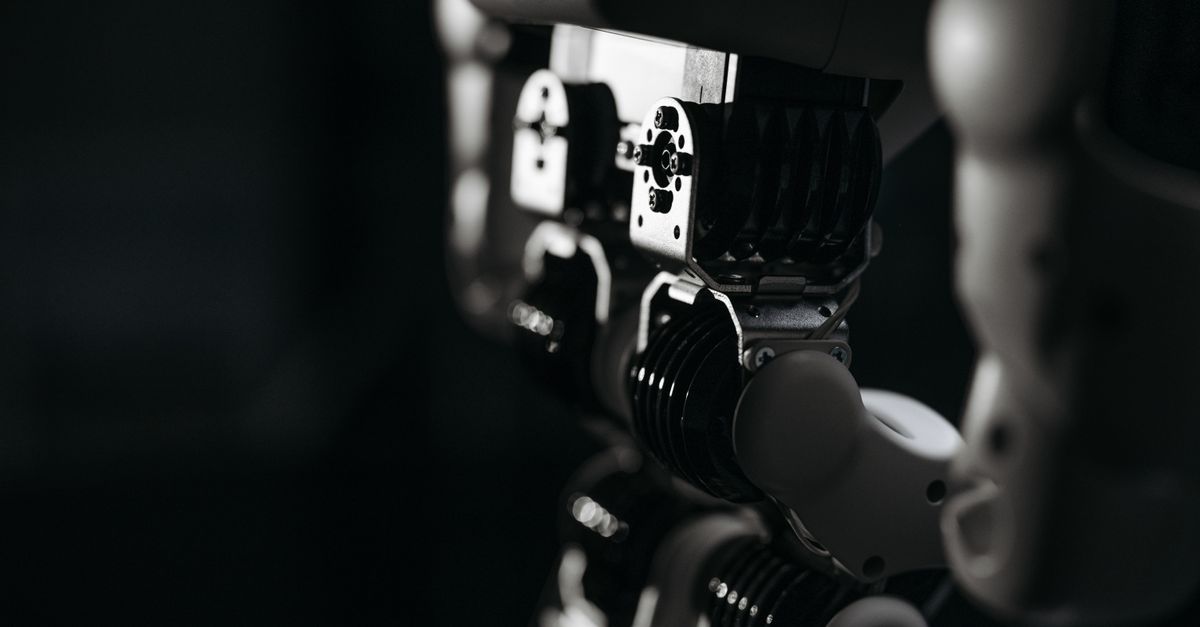
The Optimus Programme: From Concept to Internal Prototypes
Tesla introduced the Optimus programme during its 2021 AI Day, framing it as a long-term investment in general-purpose autonomous robotics rather than a short-term product launch. The stated objective is to build a bipedal, upper-body capable robot that can operate in unstructured environments, perform logistics and assembly tasks, and eventually scale to millions of units. Unlike many robotics firms that partner with academic labs or third-party integrators, Tesla has pursued a vertically integrated approach, developing custom actuators, tactile sensing, vision-based navigation, and compute hardware in-house.
RobotWale evaluates robotics programmes by prioritising shipped hardware over pilot deployments, and pilot deployments over public announcements. By that measure, Optimus remains in the prototype and internal testing phase. Tesla has demonstrated successive hardware generations on stage and in factory environments, but commercial shipping to external customers has not occurred. The programme is real, actively funded, and technically advancing, but it operates on a timeline that extends well beyond typical consumer or industrial hardware cycles.
Grading the Claims: Hardware, Pilots, and Announcements
Shipping Hardware: What Actually Exists
Tesla has released three major internal hardware iterations to date. The first generation, unveiled in 2022, established the basic bipedal chassis, hand actuation, and vision stack. The second generation, shown in 2023, introduced a lighter structure, improved joint torque density, and refined thermal management. The third generation, demonstrated in 2024, focused on manufacturing readiness, with simplified assembly processes, higher integration of sensors and controllers, and a move toward using Tesla's own Gigafactories for production.
Verified specifications from Tesla's engineering updates and internal test footage indicate the following baseline attributes for the latest internal prototype:
- Height: Approximately 1.73 metres
- Weight: Roughly 57 kilograms (unloaded)
- Actuation: Custom rotary and linear actuators with integrated controllers
- Sensing: Stereo vision, inertial measurement units, and capacitive tactile sensors in the hands
- Compute: Proprietary neural network accelerators paired with Tesla's existing autonomy stack
- Battery: Internal pack rated for several hours of continuous operation
These specifications are drawn from Tesla's official demonstrations and engineering blog posts. Independent laboratory validation, third-party teardowns, or certified performance benchmarks remain unavailable. The hardware is functional within controlled environments, but it has not been released to external buyers or certified for industrial deployment.
Pilot Deployments: Where Optimus Has Been Tested
Optimus units have been deployed internally at Tesla's Fremont and Austin Gigafactories. These deployments are classified as controlled factory pilots, not public or third-party installations. The robots have been tasked with repetitive logistics operations, including part transport, bin picking, and assembly-line assistance. Tesla reports that the units can navigate factory floors, manipulate objects, and respond to voice or software commands within predefined zones.
Pilot deployments are graded as the second tier of evidence because they demonstrate real-world integration challenges that lab tests cannot replicate. Optimus internal pilots confirm that the robot can operate in human-adjacent spaces, handle standard industrial components, and function within Tesla's existing factory management software. However, these pilots are limited to Tesla's own facilities, use proprietary safety protocols, and do not reflect open-market interoperability or compliance with international industrial robotics standards.
Public Announcements: Targets and Projections
Tesla has made several high-profile announcements regarding Optimus, including production targets, pricing projections, and third-party availability. The company has stated a long-term goal of manufacturing millions of units annually and has projected a consumer-facing price near $20,000. These figures appear in investor presentations, executive interviews, and engineering updates.
Under RobotWale's grading framework, announcements are the lowest tier of verification. They represent corporate targets, not shipped hardware or verified pilot outcomes. Automotive and robotics manufacturing scaling involves supply chain qualification, safety certification, software validation, and regulatory approval. Tesla's past experiences with Model 3 and Model Y production cycles demonstrate that target timelines often require iterative adjustments. Optimus pricing and availability projections should be treated as corporate guidance until independent verification or commercial delivery occurs.
Technical Architecture and Verified Specifications
Tesla's approach to Optimus differs from traditional robotics manufacturers. Rather than sourcing off-the-shelf joints from harmonic drive or planetary gear specialists, Tesla has developed custom actuators designed for high torque density and reduced part count. The company integrates tactile sensing directly into the end-effectors, enabling object manipulation without relying solely on computer vision. Navigation and perception are handled by a vision-only stack, consistent with Tesla's broader autonomy philosophy.
The compute architecture relies on Tesla's custom neural network accelerators, which process sensor data, run motion planning, and execute manipulation policies. The software stack uses end-to-end neural networks trained on internal simulation and real-world data. This architecture reduces reliance on explicit programming for every task, allowing the robot to adapt to variations in object placement and environmental layout. However, vision-only systems require robust handling of edge cases, lighting changes, and occlusion, which remain active areas of development.
Commercial Timeline and Manufacturing Strategy
Tesla has indicated that Optimus will first serve internal operations before expanding to external customers. The company plans to manufacture the units in its existing Gigafactories, leveraging automotive-scale production techniques. This strategy aligns with Tesla's historical approach to robotics, where internal automation drives iterative hardware improvements before external sales. The company has emphasized that production scaling will depend on supply chain maturity, component yield rates, and software validation cycles.
Independent robotics analysts note that humanoid robots face unique manufacturing challenges, including precision joint assembly, balance calibration, thermal management, and safety certification. Tesla's vertical integration may accelerate component availability, but it also concentrates risk. The company has not disclosed third-party supplier contracts for Optimus, nor has it published independent safety reports or compliance certifications. Until these milestones are met, Optimus remains an internal development programme with commercial potential, not a market-ready product.
India Availability and Cost Considerations
Tesla has not announced any official distribution, partnership, or regulatory approval for Optimus in India. The Indian robotics market currently imports humanoid prototypes through specialised distributors, research institutions, and industrial automation firms. Importing a unit of this class would require compliance with the Bureau of Indian Standards (BIS), DGFT import policies, and state-level industrial automation regulations.
Based on Tesla's stated target price of approximately $20,000, the base cost converts to roughly ₹16.7 lakh at current exchange rates. Landed cost in India would be significantly higher due to customs duties, GST, handling fees, and compliance testing. Industry estimates suggest that importing a single prototype unit to India would incur a total landed cost between ₹22 lakh and ₹25 lakh, depending on classification, freight, and local agent fees. No authorised Indian distributor has been announced, and Tesla has not published India-specific pricing or service agreements.
For Indian manufacturers, research labs, and automation firms, the practical path to Optimus access will likely involve third-party importers, academic partnerships, or direct engagement with Tesla's enterprise sales team once commercial availability begins. Until then, Indian buyers should monitor official Tesla press releases, BIS import guidelines, and DGFT notifications for updates on humanoid robot classification and duty structures.
References
Tesla AI Day 2021: Optimus Announcement. https://www.tesla.com/AI
Tesla AI Day 2022: Gen 1 Optimus Prototype. https://www.tesla.com/AI
Tesla AI Day 2023: Gen 2 Optimus Updates. https://www.tesla.com/AI
Tesla AI Day 2024: Gen 3 Manufacturing Readiness. https://www.tesla.com/AI
Tesla Engineering Blog: Optimus Actuator Design. https://www.tesla.com/engineering
Reuters: Tesla Optimus Internal Gigafactory Testing. https://www.reuters.com/technology
IEEE Spectrum: Humanoid Robotics Market Analysis. https://spectrum.ieee.org
DGFT India: Robotics and Automation Import Guidelines. https://dgft.gov.in
CBIC India: Customs Duty Structure for Robotics Equipment. https://cbic.gov.in
✓ Key takeaways
- •Hands-on view of Inside Tesla's Humanoid Bet: The Optimus Programme inside our Tesla Optimus Programme library.
- •Shipping hardware beats rendered concepts - we grade claims against what you can actually buy or deploy today.
- •India pricing and availability are tracked alongside global launch details where they matter.
References
- Tesla AI Day 2021: Optimus Announcement
- Tesla AI Day 2022: Gen 1 Optimus Prototype
- Tesla AI Day 2023: Gen 2 Optimus Updates
- Tesla AI Day 2024: Gen 3 Manufacturing Readiness
- Tesla Engineering Blog: Optimus Actuator Design
- Reuters: Tesla Optimus Internal Gigafactory Testing
- IEEE Spectrum: Humanoid Robotics Market Analysis
- DGFT India: Robotics and Automation Import Guidelines
- CBIC India: Customs Duty Structure for Robotics Equipment
Related articles
More in Tesla Optimus Programme →