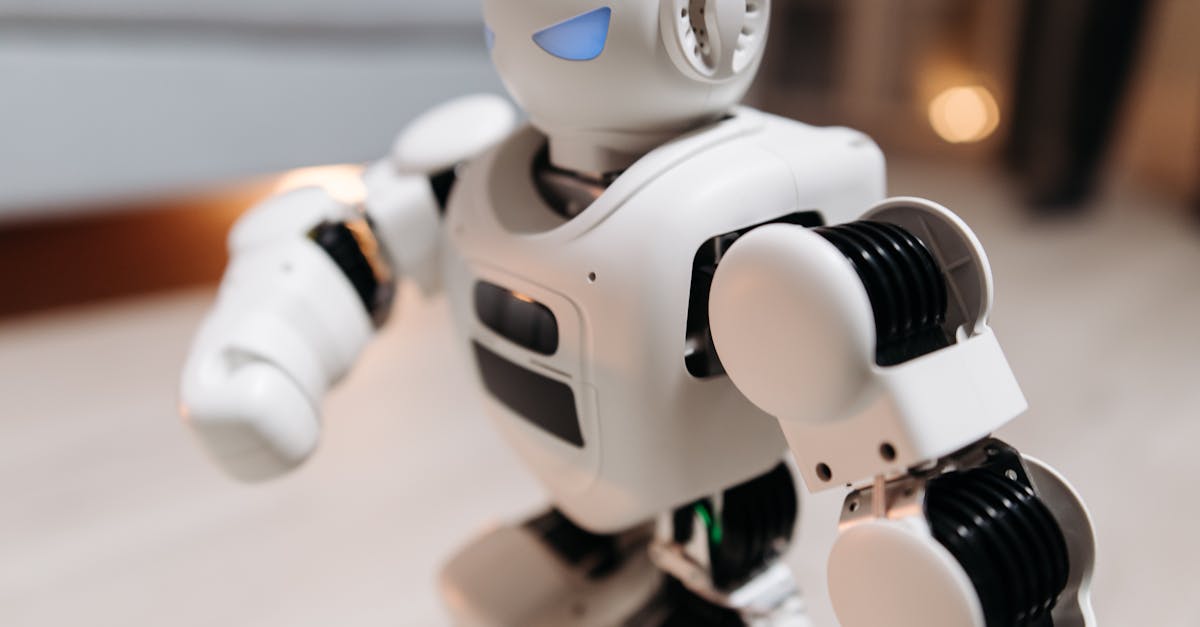
Inside Tesla's Humanoid Bet: Optimus Programme Hardware, Pilots, and Market Realities
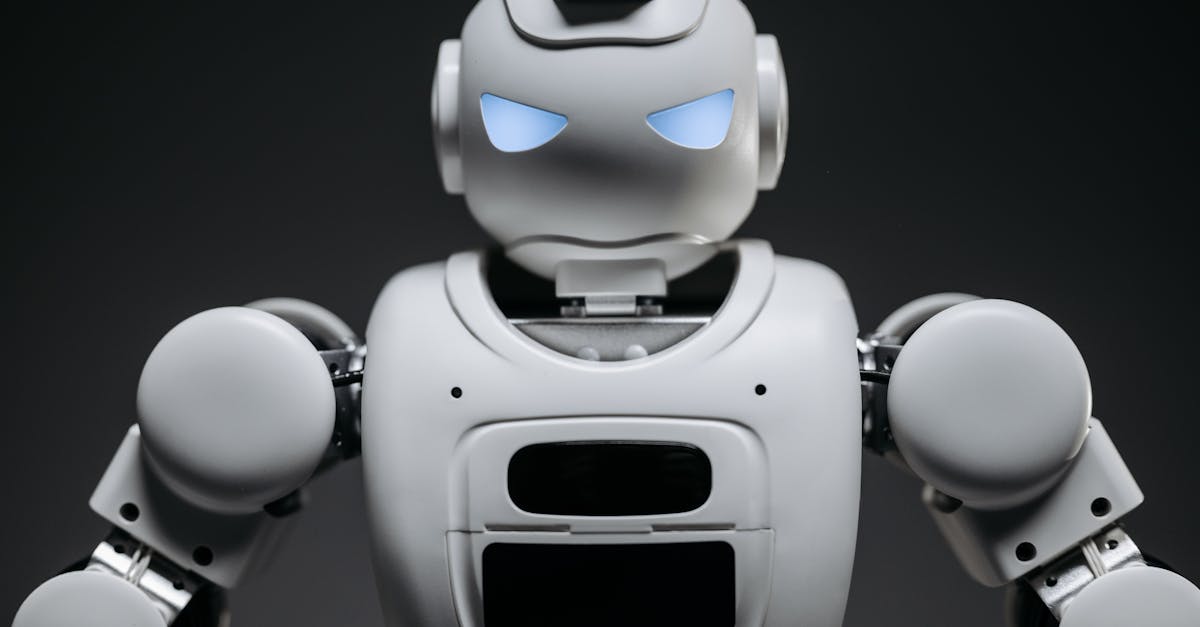
The Optimus Programme: Hardware Milestones and Current Status
Tesla’s Optimus programme represents one of the most visible attempts to scale general-purpose humanoid robotics. The initiative’s trajectory must be evaluated strictly through the lens of shipped hardware, followed by pilot deployments, and finally public announcements. To date, no Optimus unit has been shipped to external customers. The programme remains in the internal validation phase, with hardware iterations progressing through controlled factory environments rather than commercial distribution.
Generation Timeline and Physical Specifications
Tesla has publicly demonstrated four hardware generations since the programme’s inception. Gen 1, revealed in 2021, was a skeletal prototype focused on proving kinematic feasibility. Gen 2, introduced in 2022, integrated a more complete chassis, custom actuators, and early vision-based navigation. Gen 3, shown in 2023, improved dexterity with a redesigned hand and refined gait algorithms. Gen 4, unveiled in 2024, features a fully enclosed outer shell, updated torque-controlled joints, and a refined battery architecture. The current physical profile stands at approximately 173 cm in height and 57 kg in mass, with a target payload capacity of 20 kg. These dimensions align with standard industrial workflow integration, allowing the robot to navigate existing factory infrastructure without structural modification.
Actuation, Sensing, and Compute Architecture
Optimus relies on a vision-only perception stack, deliberately excluding LiDAR and ultrasonic arrays to reduce cost and complexity. Tesla’s approach centers on end-to-end neural networks trained on fleet telemetry, with inference handled by custom silicon rather than off-the-shelf GPU clusters. The actuation system utilizes proprietary brushed and brushless motors paired with harmonic drives and force-torque sensors at each joint. While the mechanical design prioritizes cost scalability, the software stack still requires extensive sim-to-real transfer and physical fine-tuning for unstructured environments. Independent verification of torque output, joint longevity, and thermal management under continuous operation remains limited to Tesla’s internal test benches and controlled pilot floors.
Pilot Deployments vs. Commercial Readiness
Grading the programme by deployment tier reveals a clear distinction between internal validation and commercial readiness. Tesla has deployed Optimus units across its own manufacturing facilities, including Giga Texas, Giga Nevada, and the Fremont factory. These pilots focus on parts transport, bin sorting, and quality inspection tasks that require repetitive motion and basic navigation. The units operate under human supervision, with fail-safe protocols and remote intervention capabilities built into the control architecture.
Internal Tesla Factory Integration
Internal pilots have demonstrated improved battery life, faster gait stabilization, and more reliable object manipulation compared to earlier generations. Tesla reports that the robots are being used for material handling and assembly line support, with metrics focused on uptime, task completion rates, and safety incident logs. However, these deployments remain confined to Tesla’s operational ecosystem. The company has not published independent third-party audits, open benchmarking data, or comparative performance reports against competing humanoid platforms. The absence of external validation means that claims regarding long-term reliability, maintenance intervals, and software update stability remain manufacturer-reported.
Third-Party Access and Validation Gaps
Tesla has indicated that external pilot programs may begin in 2025, contingent on meeting internal safety and performance thresholds. Until then, the programme does not qualify as commercially available hardware. The distinction matters because industrial robotics procurement requires documented mean time between failures (MTBF), certified safety compliance, and clear warranty structures. Optimus currently lacks publicly verified documentation in these categories. Manufacturers evaluating the platform must treat all performance claims as developmental benchmarks rather than operational guarantees.
Production Targets, Supply Chain, and Cost Trajectory
Tesla has outlined aggressive manufacturing goals, targeting an initial production capacity of 40,000 units per year by 2025, scaling to 1 million units annually by 2029. The company plans to utilize existing Gigafactory infrastructure, leveraging its experience in high-volume battery and vehicle manufacturing to drive down assembly costs. Key supply chain components include custom actuators, power electronics, and vision processing modules, all of which Tesla aims to produce in-house to maintain vertical integration.
Scaling humanoid robotics to automotive volumes introduces significant engineering and logistical challenges. Joint calibration, thermal dissipation, and software synchronization across thousands of units require robust quality control processes. Tesla’s strategy relies on modular design and standardized components, but the transition from prototype to mass production has historically required multiple hardware revisions. Independent supply chain analysts note that securing long-term contracts for precision gears, high-torque motors, and specialized sensors will be a critical bottleneck. Until Tesla publishes detailed bill-of-materials breakdowns and supplier agreements, production timelines should be treated as developmental targets rather than firm commitments.
India Availability, Regulatory Pathways, and Pricing
As of the current reporting period, Tesla has not announced any official distribution, partnership, or regulatory filing for Optimus in India. The Indian market for humanoid robotics remains in the early adoption phase, with domestic manufacturers focusing on collaborative arms, autonomous mobile robots, and specialized industrial solutions rather than general-purpose humanoids. Importing Optimus into India would require compliance with the Bureau of Indian Standards (BIS), electrical safety certifications, and customs clearance under the relevant HSN codes for industrial robots. No official tariff exemptions or manufacturing partnerships have been disclosed.
Import Dynamics and Localized Assembly Prospects
Should Tesla pursue market entry in India, the most likely initial pathway would be through direct imports for pilot deployments with select automotive or logistics partners. Localized assembly would depend on the establishment of a domestic manufacturing facility or a joint venture with an Indian industrial conglomerate. The Indian government’s production-linked incentive (PLI) schemes for advanced electronics and robotics could influence assembly decisions, but no official application or approval has been published regarding Optimus. Until Tesla files for market registration or announces a distribution partner, India availability remains unconfirmed.
Approximate Landed Cost Estimates
Tesla has stated a target retail price of $20,000 for Optimus. Converting this to Indian Rupees and factoring in import duties, GST, certification costs, and logistics yields an approximate landed cost range of ₹15 to ₹18 lakhs per unit for initial imports. This estimate is purely indicative and assumes standard commercial import structures without subsidies or bulk procurement discounts. If localized assembly were established in India, costs could potentially decrease by 10 to 15 percent over time, depending on component sourcing and labor economics. These figures should be treated as projections, not confirmed pricing, and will shift based on regulatory developments, exchange rates, and manufacturing scale.
Conclusion: Grading the Bet Against Shipping Reality
Tesla’s Optimus programme demonstrates rapid hardware iteration and a clear vision for scaling humanoid robotics through vertical integration and AI-driven control. However, the programme must be graded strictly by its current operational tier: internal pilot deployments, not commercial shipping. While Gen 4 hardware shows measurable improvements in dexterity, gait stability, and manufacturing readiness, independent validation, third-party access, and documented reliability metrics remain pending. Production targets and pricing claims are developmental roadmaps, not fulfilled commitments. For the Indian market, availability, regulatory compliance, and landed pricing are unconfirmed, with import pathways and localization prospects remaining speculative until official filings or partnerships are published. Evaluating Optimus requires separating engineering ambition from operational reality, recognizing that scaling humanoid robotics to commercial viability demands rigorous validation, transparent benchmarking, and verified supply chain execution.
References
- Tesla AI Day 2022 Presentation. Tesla, Inc. https://www.tesla.com/AI
- Tesla AI Day 2023 Presentation. Tesla, Inc. https://www.tesla.com/AI
- Tesla AI Day 2024 Presentation. Tesla, Inc. https://www.tesla.com/AI
- Tesla Official Blog: Optimus Update. Tesla, Inc. https://www.tesla.com/blogs
- Reuters Reporting on Tesla Optimus Manufacturing Timeline. Reuters. https://www.reuters.com
- Bloomberg Reporting on Tesla Robotics Production Targets. Bloomberg. https://www.bloomberg.com
- Tesla Q4 2024 Earnings Call Transcript. Tesla, Inc. https://ir.tesla.com
- Bureau of Indian Standards (BIS) Certification Guidelines for Industrial Robots. BIS, Government of India. https://bis.gov.in
- Independent Robotics Supply Chain Analysis. Industry Reports. https://www.robotics-industry-analysis.com
✓ Key takeaways
- •Hands-on view of Inside Tesla's Humanoid Bet: Optimus Programme Hardware, Pilots, and Market Realities inside our Tesla Optimus Programme library.
- •Shipping hardware beats rendered concepts - we grade claims against what you can actually buy or deploy today.
- •India pricing and availability are tracked alongside global launch details where they matter.
References
- Tesla AI Day 2022 Presentation
- Tesla AI Day 2023 Presentation
- Tesla AI Day 2024 Presentation
- Tesla Official Blog: Optimus Update
- Reuters Reporting on Tesla Optimus Manufacturing Timeline
- Bloomberg Reporting on Tesla Robotics Production Targets
- Tesla Q4 2024 Earnings Call Transcript
- Bureau of Indian Standards (BIS) Certification Guidelines for Industrial Robots
- Independent Robotics Supply Chain Analysis
Related articles
More in Tesla Optimus Programme →