Inside Tesla's Humanoid Bet: Optimus Programme Status and Real-World Progress

The Optimus Programme: Hardware Milestones Over Renderings
Tesla’s Optimus programme has consistently generated attention, yet its trajectory must be measured against shipped hardware, not conceptual renders. Since the programme’s public debut in 2021, Tesla has progressed through iterative hardware generations. The company’s approach follows a clear engineering pipeline: design actuators, validate locomotion, refine manipulation, and integrate perception models before any commercial deployment. Grading claims by evidence requires prioritizing factory videos, on-stage demos, and independent teardowns over marketing timelines.
Generation Progress and Actuator Development
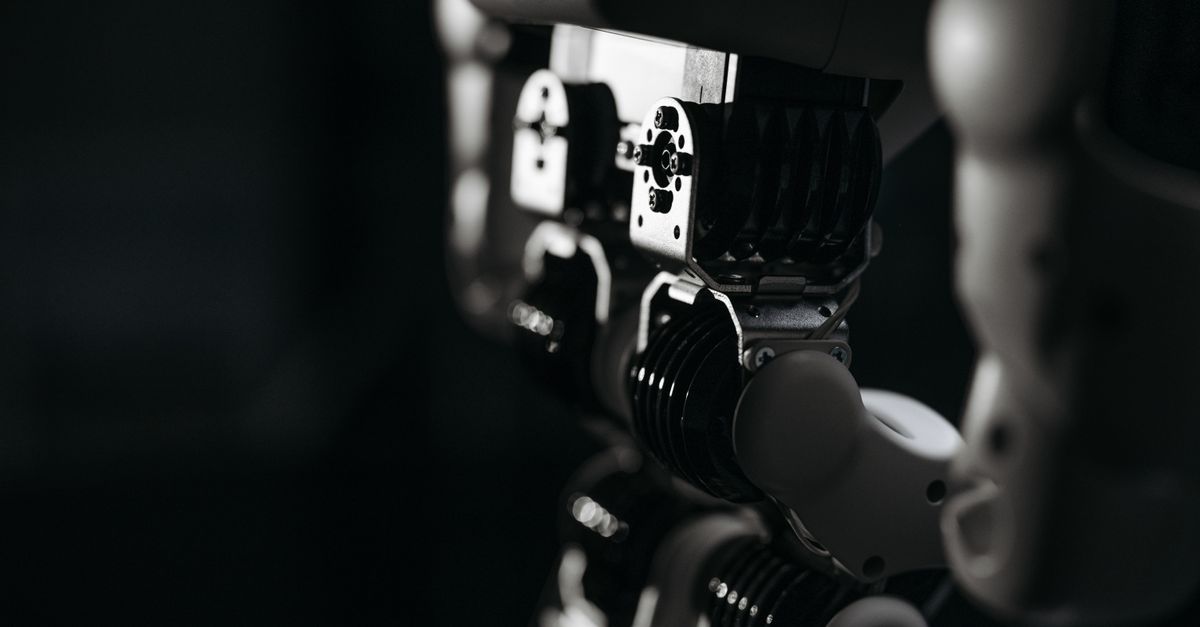
Early prototypes focused on basic bipedal balance and simple pick-and-place tasks. Subsequent iterations introduced custom-designed actuators, high-torque shoulder joints, and lightweight composite exoskeletons. Tesla’s manufacturing philosophy emphasizes in-house actuator production, which reduces dependency on third-party suppliers but requires extensive validation cycles. Independent teardowns and factory footage confirm that the latest generation units feature integrated motor controllers, harmonic drives, and force-torque sensors in the wrists. These components are necessary for industrial handling but do not yet indicate mass production readiness. The platform uses a centralized compute architecture, drawing from Tesla’s automotive neural network infrastructure, to process vision data and execute motor commands in real time.
On-Stage Demonstrations vs. Production Readiness
Public demonstrations, including those at Tesla’s Investor Days and AI Day events, show improved mobility, object recognition, and tool usage. However, stage demos are typically scripted, tethered, or supported by safety protocols that are not visible in controlled environments. Tesla’s own presentations acknowledge that general-purpose operation remains a long-term objective. The current hardware excels at repetitive, structured tasks within confined workspaces but lacks the fault tolerance required for unstructured commercial environments. Battery management systems, joint wear tracking, and thermal regulation remain active development areas. Until Tesla publishes standardized reliability metrics, claims about operational maturity must be graded against the current hardware limitations.
Pilot Deployments and Operational Constraints
Factory Integration and Task Specificity
Tesla has deployed early Optimus units in its own manufacturing facilities for internal testing. Reports indicate that the robots have been assigned to specific assembly lines where they perform parts transport, bin picking, and quality inspection support. These deployments are classified as internal pilots rather than customer-facing trials. The tasks are narrow in scope, relying on predefined trajectories and fixed workcell geometries. Tesla’s engineering team has noted that environmental variability, such as lighting changes and floor irregularities, remains a primary constraint. Safety interlocks, emergency stop protocols, and operator supervision are mandatory during all pilot phases.
Validation Metrics and Third-Party Reporting
The pilot programme follows a phased validation approach. Units are monitored for battery degradation, joint wear, and software latency. Tesla has not published independent third-party performance metrics, which means operational uptime, mean time between failures, and task success rates remain internal data. Until Tesla releases standardized pilot reports or shares fleet-wide telemetry, claims about commercial viability must be graded against the current hardware limitations. The robotics industry standard requires third-party validation, open benchmarking, and documented failure modes before a platform can be considered production-ready for external deployment.
Commercial Timeline and Market Positioning
Tesla’s public guidance suggests that limited production will begin after internal validation reaches a predefined reliability threshold. The company has consistently stated that the programme will initially serve its own operations before expanding to partner facilities. This strategy mirrors other robotics manufacturers that use captive use cases to refine hardware before selling to external clients. The absence of external pilot partners or distribution agreements indicates that Optimus remains in the validation phase rather than the commercialization phase. The humanoid robotics market is evolving rapidly, with multiple manufacturers shipping functional units for logistics, warehousing, and light manufacturing. Optimus’s positioning relies on Tesla’s vertical integration, AI compute infrastructure, and manufacturing scale. However, scaling humanoid platforms requires solving power density, actuator longevity, and perception reliability in dynamic environments. These challenges are well-documented in the robotics industry and do not disappear with increased compute or improved software.
India Availability and Approximate Landed Cost
Regulatory and Import Considerations
Tesla Optimus is not currently available in India. The programme has not announced official distribution channels, customs classifications, or compliance certifications for the Indian market. Importing a prototype-grade humanoid robot would require clearance from the Bureau of Indian Standards, compliance with electrical safety regulations, and adherence to robotics import guidelines. Tesla has not published an official Indian launch timeline, and no authorized dealers or service partners have been designated. Importing advanced robotics hardware into India typically falls under HS Code 8479, which is subject to standard customs duty structures. Manufacturers seeking to operate humanoid platforms in India must also navigate data localization requirements, software licensing restrictions, and workplace safety compliance under the Factories Act and relevant state regulations.
Pricing Estimates and Local Viability
Tesla has indicated a target retail price in the range of $20,000 to $30,000 USD for future commercial units. This figure is a manufacturing target rather than a confirmed market price. For India, a landed cost estimate must account for base price, freight, insurance, customs duties, and GST. Assuming a $25,000 USD base price, freight and insurance of approximately $1,500, and a 100% customs duty on advanced robotics prototypes, the landed cost before GST would approach $50,000 USD. Applying an 18% GST brings the approximate Indian landed cost to ₹42–45 lakh for a single unit. This estimate is clearly flagged as a hypothetical calculation based on current trade policy and Tesla’s stated manufacturing targets. Actual pricing will depend on production volume, component sourcing, and regulatory adjustments. Until Tesla establishes local manufacturing, authorized distribution, or service infrastructure in India, Optimus will remain unavailable for domestic procurement. Indian manufacturers seeking humanoid automation should monitor official Tesla announcements, third-party pilot reports, and independent hardware teardowns before evaluating procurement options.
References
- Tesla Investor Day 2022 Presentation: https://ir.tesla.com/
- Tesla AI Day 2023 Official Coverage: https://www.tesla.com/AI
- Tesla Investor Day 2024 Presentation: https://ir.tesla.com/
- Reuters: Tesla Optimus Humanoid Robot Development Tracking: https://www.reuters.com/technology/
- IEEE Spectrum: Inside Tesla's Humanoid Robot Engineering: https://spectrum.ieee.org/
- Tesla Official Press Release Archive: https://www.tesla.com/ns_videos/
✓ Key takeaways
- •Hands-on view of Inside Tesla's Humanoid Bet: Optimus Programme Status and Real-World Progress inside our Tesla Optimus Programme library.
- •Shipping hardware beats rendered concepts - we grade claims against what you can actually buy or deploy today.
- •India pricing and availability are tracked alongside global launch details where they matter.
References
Related articles
More in Tesla Optimus Programme →