
Unitree Robotics: From Quadrupeds to Humanoids in the Indian Market
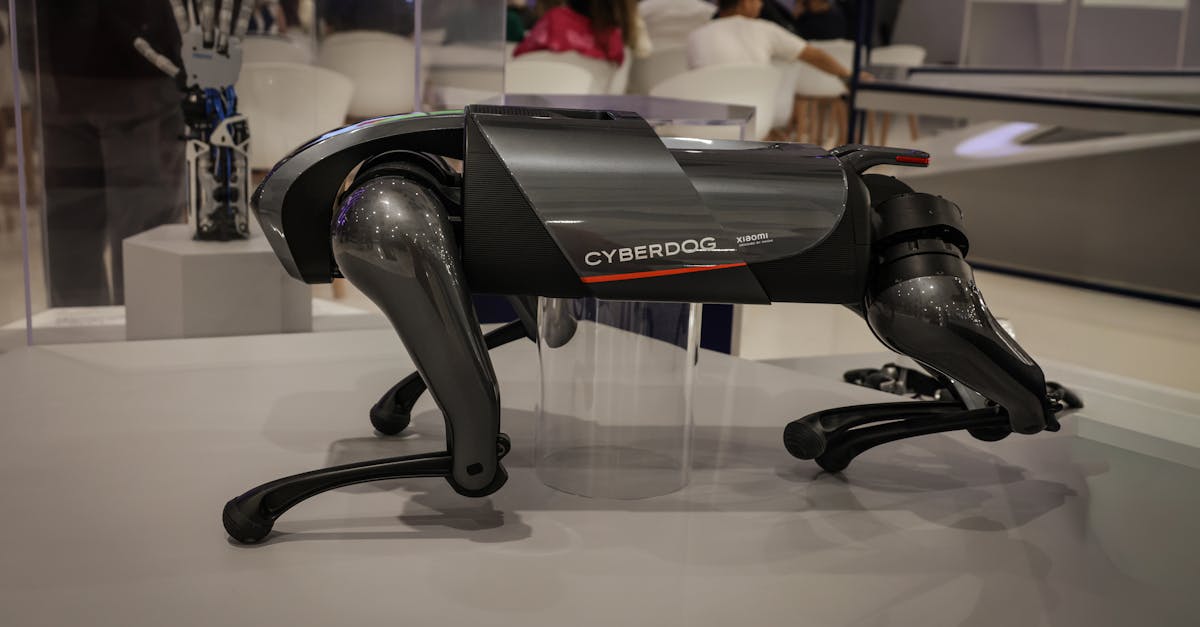
Unitree Robotics: From Quadrupeds to Humanoids in the Indian Market
Unitree Robotics, founded in 2013 and headquartered in Hangzhou, China, has established itself as a distinct entity in the robotics industry. Unlike many competitors that rely on venture capital funding to sustain pre-release hype cycles, Unitree has demonstrated a focus on revenue-generating hardware. The company's portfolio spans high-torque quadruped robots and, more recently, bipedal humanoid platforms. This report grades Unitree's claims based on shipping hardware, pilot deployments, and public announcements, with a specific focus on viability for the Indian market.
Unitree was founded by Chen Bo and his team from Zhejiang University. Unlike many startups that operate on a "concept first" model, Unitree prioritized mass production of quadruped robots early in its timeline. This approach allowed them to refine their powertrain and control algorithms through actual field usage rather than theoretical simulations. Their product line is divided into consumer, education, and industrial segments, though the recent entry into humanoids marks a shift toward general-purpose mobility.
The Quadruped Portfolio
The core revenue driver for Unitree remains its legged robot family. The Go2 series is the most accessible entry point for the Indian market. It features a payload capacity of approximately 15 kg and an IP65 rating for outdoor use. The Go2 is sold as a development kit, allowing third-party integration via its open SDK. This contrasts with closed-system competitors that restrict hardware access. The B2 model represents the high-end industrial variant, offering higher torque motors and a larger payload capacity.
The Go1 model is a discontinued but widely used reference platform. It was priced significantly lower than competitors like Boston Dynamics' Spot, though it lacks the same durability in extreme industrial environments. The B1 series, introduced later, focused on military and security applications with enhanced thermal management. Unitree has maintained a supply chain advantage by manufacturing most components in-house, reducing the bill of materials for the Go2 and B2 lines.
For industrial applications, the Go2 Pro and Go2 Ultra models offer extended battery life and higher payload options. The B2 is designed for heavy-duty tasks such as inspection and logistics in large warehouses. Both units support ROS (Robot Operating System) integration, which is critical for Indian system integrators building custom automation solutions. The open-source nature of the software stack allows for greater flexibility in adapting the robot to specific factory floor requirements.
Humanoid Development and H1 Specifications
The company's entry into the humanoid market began with the H1 model. Announced in 2023, the H1 was designed to compete in speed and agility. It features a 60-70% reduction in weight compared to earlier prototypes. The H1 demonstrated a running speed of 3.6 meters per second in a public demo. This is a critical specification, as bipedal stability at speed remains a major engineering hurdle.
The H1 utilizes 40 degrees of freedom (DOF) and is powered by a high-voltage battery system. The torso is designed to handle dynamic movements, including backflips, which were demonstrated during initial launches. However, the commercial viability of these feats in a production setting remains unproven. There is no public evidence of H1 units in commercial logistics chains as of late 2024. The focus remains on R&D and pilot testing within China.
The G1 model was announced in 2024 as a cost-reduction strategy. Pricing is estimated around $7,000 to $9,000 depending on configuration. This places it in a competitive bracket against early-stage competitors, though it lacks the full torso manipulation capabilities of the H1. The G1 is primarily marketed for education and research rather than industrial deployment. It features a simplified design that prioritizes cost over functional range.
India Availability and Pricing
For Indian enterprises and research institutions, importing Unitree hardware involves navigating complex customs regulations. Robotics equipment imported into India often attracts a Basic Customs Duty (BCD) of 10% to 15%, along with Integrated GST (IGST). For a Go2 priced at approximately $4,000 at the source, the landed cost in India could reach ₹4.5 lakhs to ₹5 lakhs. This excludes shipping and insurance costs.
The H1 pricing is significantly higher. If the unit is available for export, the landed cost could exceed ₹70 lakhs. However, there are no official Unitree distributors in India for the H1 or G1 models at this time. Users typically rely on third-party aggregators or direct import channels. This increases the risk of warranty and after-sales support issues.
For the Go2 and B2 quadrupeds, authorized service partners exist in major industrial hubs like Mumbai and Bangalore. However, the supply chain for spare parts is not as robust as domestic manufacturers. Indian buyers must account for a three-to-four-week lead time for parts delivery. The lack of local calibration services means users often require external engineering support for software integration.
Market Context and Regulatory Challenges
Unitree's strategy differs from Western competitors who often focus on software ecosystems. Unitree emphasizes hardware robustness and cost efficiency. This aligns with the needs of the Indian manufacturing sector, where cost sensitivity is high. However, the lack of local assembly means the company does not benefit from India's Production Linked Incentive (PLI) schemes for robotics.
The company has not yet announced a partnership with an Indian system integrator for large-scale deployment. While there are pilot deployments in China for logistics and inspection, no public case studies exist for Indian industrial facilities. This gap limits the ability to validate long-term reliability in Indian conditions, such as high heat and dust.
The primary challenge for Unitree in India is the regulatory environment for AI and robotics. Data localization laws require that any data collected by the robots be stored on servers within India. Unitree's current cloud infrastructure is based in China, which may pose compliance risks for Indian enterprises. Additionally, the export controls on high-precision sensors may affect the availability of advanced versions of the Go2 and B2.
Conclusion
Unitree Robotics offers a pragmatic approach to legged mobility. The quadruped lineup is mature and available for immediate deployment. The humanoid offerings are promising but remain in the early adoption phase. For Indian buyers, the quadruped robots offer the most viable path forward, provided the landed cost is acceptable. The humanoid portfolio requires further monitoring of shipping status before investment decisions are made.
Companies interested in Unitree hardware should request official quotes through authorized channels to avoid third-party markups. For humanoids, pilot programs are the only current option for verification. The focus on hardware over software makes Unitree a strong candidate for manufacturing automation, but less so for service robotics in the near term.
✓ Key takeaways
- •Hands-on view of Unitree Robotics: From Quadrupeds to Humanoids in the Indian Market inside our Unitree Robotics library.
- •Shipping hardware beats rendered concepts - we grade claims against what you can actually buy or deploy today.
- •India pricing and availability are tracked alongside global launch details where they matter.
References
Related articles
More in Unitree Robotics →
