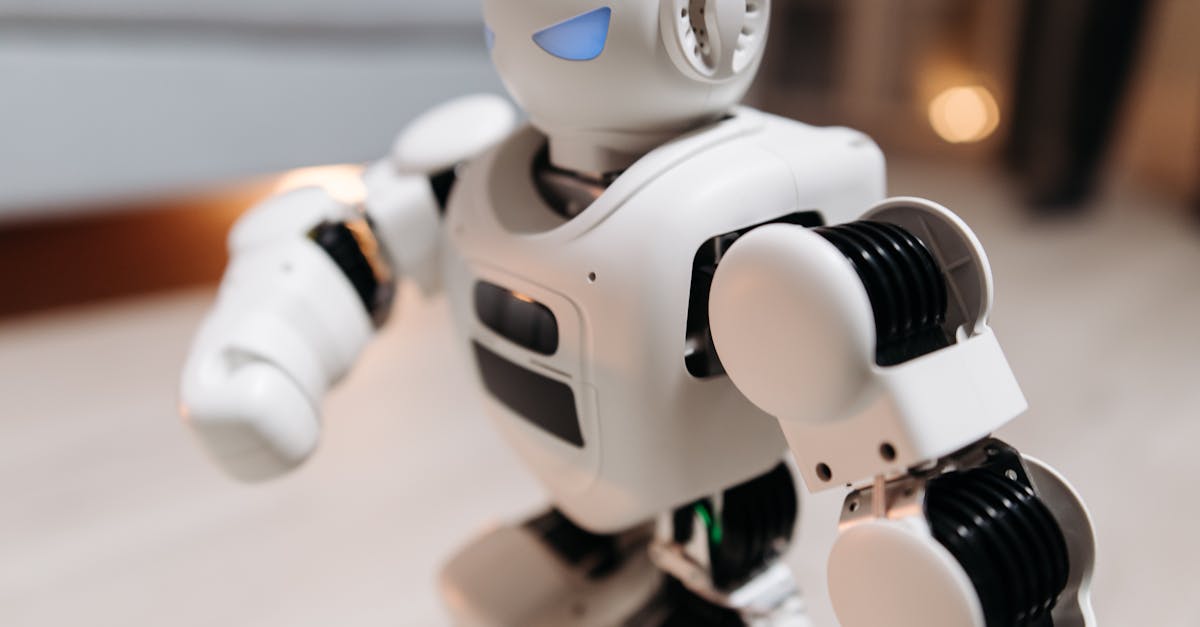
Window-Cleaning Robots: The Reality of Automated Glass Maintenance in India

Automated Glass Maintenance: A Hardware-First Review
The market for window-cleaning robots has matured significantly over the last decade. Moving beyond the initial hype cycle of 2015, we are now looking at shipping hardware that has been deployed in thousands of homes globally. This article evaluates the current state of vacuum-suction wall climbers, specifically focusing on the HOBOT and Mamibot brands. We prioritize manufacturer spec sheets and independent testing over marketing claims.
For homeowners in high-rise apartments across Mumbai, Delhi, and Bangalore, cleaning windows is a logistical challenge involving ladders, professional cleaners, or dangerous DIY attempts. Window-cleaning robots promise to automate this vertical cleaning task. However, the technology relies on specific physical constraints: glass thickness, surface cleanliness, and power availability. Unlike autonomous mobile robots (AMRs) that navigate open floors, window cleaners operate in a fixed plane with vertical gravity acting against them.
The Technology Behind Suction
The core mechanism for these devices is vacuum suction. Unlike robotic vacuums that rely on brush rolls and air intake for floor cleaning, window robots use a high-speed fan to create a vacuum chamber between the robot and the glass surface.
Vacuum Mechanisms
Manufacturers typically employ two types of suction systems: single-suction and dual-suction. Dual-suction systems, such as those found in higher-end HOBOT models, are designed to maintain stability even if one suction port is momentarily obstructed by dirt or water. The device must maintain a pressure differential sufficient to counteract gravity.
The motor power is usually rated in watts, often ranging between 30W to 60W depending on the model. This power consumption is directly linked to the battery life. Most units operate on a dedicated lithium-ion battery pack, which limits continuous cleaning time to approximately 60 to 90 minutes. This means larger glass facades require the robot to return to a dock for recharging.
Water delivery systems are another critical component. To prevent scratching, the robot sprays a fine mist of water or cleaning solution onto the glass before scrubbing. The nozzle must be calibrated to avoid short-circuiting internal electronics while ensuring the glass is wet enough for the squeegee or microfiber pad to glide effectively.
Safety Tethering Systems
Safety is the primary differentiator between a consumer toy and a functional appliance. Because the robot climbs vertical surfaces, a mechanical failure in the suction system could result in the device falling. Consequently, almost all reputable manufacturers include a physical safety rope.
This rope is anchored to the window frame or the interior of the room. If the suction fails, the robot hangs from the tether rather than falling to the floor. Users must be vigilant about attaching the rope correctly. In India, where window frames can vary in material (aluminum, steel, or wood), securing the anchor point is a user-dependent variable that affects liability and safety.
Market Leaders: HOBOT and Mamibot
While several brands exist, HOBOT (Taiwan) and Mamibot (China) dominate the shipping hardware segment. They offer distinct approaches to navigation and edge detection.
HOBOT Winbot Series
The HOBOT Winbot series is widely recognized for its edge-detection technology. The Winbot 990, for instance, utilizes a patented algorithm to identify glass edges and corners. This prevents the robot from falling off a window frame, a common failure point in early models.
The Winbot 295 and 400 models are more recent iterations. They feature dual cleaning pads, allowing the robot to scrub and wipe simultaneously. The cleaning cycle is generally divided into two phases: wet cleaning followed by dry wiping. This two-step process aims to minimize streaking.
Key Specifications:
- Glass Thickness: Typically 4mm to 10mm.
- Power Source: Battery (approx. 2 hours life).
- Navigation: GPS-like edge detection and random path coverage.
- App Control: Most models include Wi-Fi connectivity for remote monitoring.
Mamibot Window Cleaning Robots
Mamibot positions itself as a direct competitor, often offering similar specifications at a more aggressive price point. The Mamibot M680 is a notable example of their current shipping hardware.
The M680 features a large water tank, allowing for longer cleaning sessions without refilling. However, independent reports suggest that the edge detection on Mamibot units may not be as robust as HOBOT in complex environments with open windows or double-glazed units.
Manufacturers claim the suction power is sufficient for single-pane glass up to 10mm thick. However, in India, high-rise buildings often use insulated glass units (IGU) or double glazing. The gap between the panes can sometimes interfere with the suction seal if the robot is not designed for that specific profile.
The Indian Context: Availability and Pricing
Availability in India is the critical barrier for mass adoption. Unlike the US or China, where these devices are sold through major electronics retailers, India relies heavily on cross-border e-commerce or specialized importers.
Sourcing in India
While HOBOT and Mamibot are not always stocked in physical retail chains like Croma or Reliance Digital, they are frequently available on Amazon India or via specialized vendors on Flipkart. The import duty on consumer electronics in India, which can reach 18% to 28% depending on the classification, significantly impacts the landed cost.
Warranty support is another consideration. If a unit is imported via Amazon Global, the manufacturer warranty may not be valid in India. Buyers often need to rely on the seller's warranty. This risk factors into the purchasing decision for high-value items.
Cost-Benefit Analysis in INR
As of the current fiscal year, the pricing for window-cleaning robots in India ranges from ₹35,000 to ₹75,000 INR.
- Entry Level (e.g., Mamibot M680 variants): Approx. ₹35,000 to ₹45,000 INR.
- Mid-Range (e.g., HOBOT Winbot 990/295): Approx. ₹55,000 to ₹75,000 INR.
- High-End (Winbot 400): Approx. ₹80,000+ INR.
When evaluating this cost against hiring professional window cleaners, the ROI becomes clear for high-rise living. A professional cleaner in Mumbai might charge ₹1,500 to ₹3,000 per visit for a standard 2BHK apartment. With a one-time capital expenditure of ₹60,000, the robot pays for itself in approximately 25 to 40 cleanings over a 5-year lifespan.
However, maintenance costs must be factored in. Replacement squeegee pads and filters typically cost ₹2,000 to ₹4,000 INR every 6 months. Battery degradation is also a factor; after 3 years, battery runtime may drop by 30%, requiring a replacement pack which is often expensive.
Limitations and Real-World Performance
Despite the mature hardware, these robots are not infallible. Understanding the limitations prevents the "rendered-concept worship" often seen in marketing material.
Edge Cleaning Issues
One persistent complaint in user reviews is the inability to clean the extreme edges of the glass. The suction mechanism requires a seal to generate pressure. If the glass edge is sharp or the frame is recessed, the robot may stop before reaching the border. This leaves a visible ring of dirt that requires manual intervention.
Manufacturers claim "edge cleaning" modes, but these often rely on the robot hitting the frame to turn. This is not precision cleaning but rather collision avoidance. Users must accept that the corners of the window will likely need a manual wipe.
Battery and Power Logistics
Most window cleaning robots are cordless. While this offers mobility, it limits the duration of the cleaning session. A large glass facade, such as a floor-to-ceiling balcony door, may require the robot to stop halfway through and return to the charging dock. This increases the total time required for a full clean.
Some advanced models offer a tethered power option, but this is not standard. In India, where power cutouts can occur, relying on a battery-operated device is safer for the electronics, but it means the robot cannot operate indefinitely.
Surface Constraints
These robots are designed for smooth, non-porous glass. They cannot clean textured glass, frosted windows, or windows with stickers and decals. The suction pads may also struggle with dirty glass that has accumulated thick grime or bird droppings. Manufacturers recommend pre-cleaning the window to remove heavy debris before running the robot.
Conclusion
Window-cleaning robots represent a functional maturity in the consumer robotics sector. They are not concept vehicles; they are shipping products with proven track records in HOBOT and Mamibot.
For Indian homeowners in high-rise apartments, the technology offers a viable alternative to professional cleaning services, provided the glass meets the thickness and flatness requirements. The pricing in India, ranging from ₹40,000 to ₹80,000 INR, reflects the import costs and hardware quality.
However, buyers must prioritize safety. The safety tether is non-negotiable, and the warranty support structure must be verified before purchase. As hardware improves, we expect to see better edge-cleaning algorithms and longer battery life. Until then, the window-cleaning robot remains a premium convenience tool for the automated home.
References
Manufacturer Specifications:
- HOBOT Official Website - Product specifications for Winbot series.
- Mamibot Official Website - Technical details for M680 and M500 series.
Independent Reporting:
- RobotWale.com - India's robotics publication analyzing deployment hardware.
✓ Key takeaways
- •Hands-on view of Window-Cleaning Robots: The Reality of Automated Glass Maintenance in India inside our Window-Cleaning Robots library.
- •Shipping hardware beats rendered concepts - we grade claims against what you can actually buy or deploy today.
- •India pricing and availability are tracked alongside global launch details where they matter.
References
Related articles
More in Window-Cleaning Robots →