Window-Cleaning Robots: Vacuum-Suction Hardware, Market Leaders, and India Pricing
Introduction to Window-Cleaning Robots
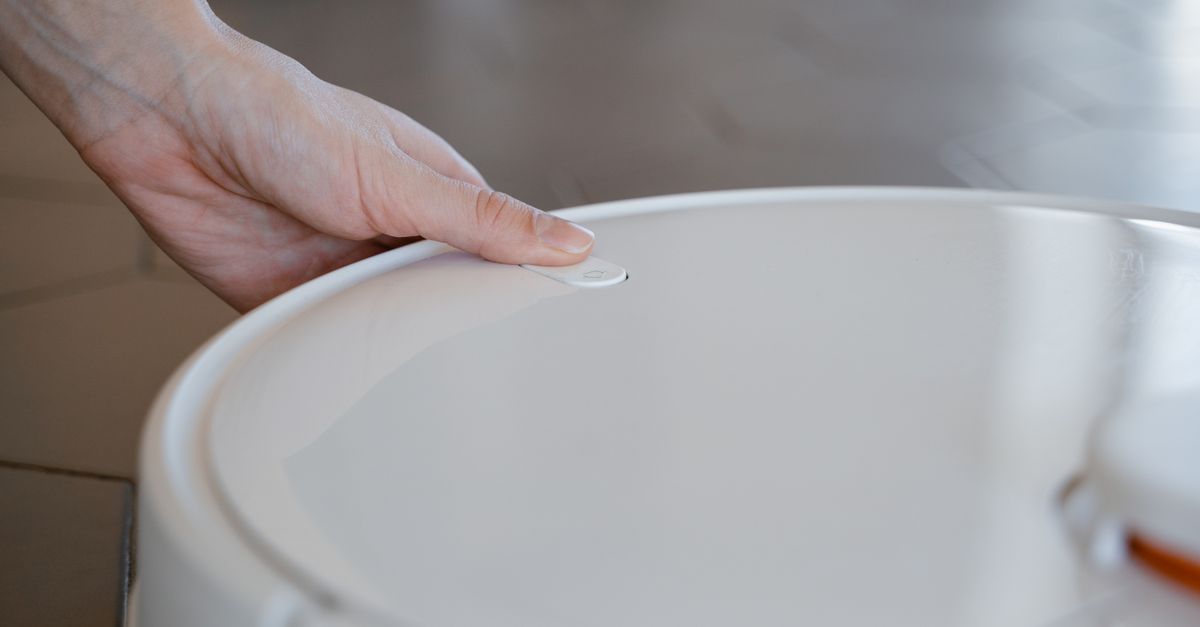
Window-cleaning robots represent one of the most mature segments of the home and consumer robotics market. Unlike autonomous mobile robots (AMRs) that navigate complex indoor environments, glass-cleaning units operate on a highly constrained plane: flat or slightly curved vertical surfaces. This operational boundary has allowed manufacturers to prioritize reliability, edge detection, and safety over advanced perception stacks. The category is dominated by vacuum-suction wall climbers, which adhere to glass using low-pressure pumps rather than mechanical grippers or magnetic clamps. This architectural choice simplifies maintenance, reduces moving parts, and improves surface compatibility across tempered, laminated, and coated glazing.
RobotWale evaluates this category strictly by shipping hardware first, pilot deployments second, and manufacturer announcements last. The window-cleaning segment has seen years of iterative refinement. Early models struggled with power cord management and corner navigation. Current production units address these through automated cable winders, spiral or Z-pattern algorithms, and optical edge sensors. The following analysis examines the two most established brands in this space, HOBOT and Mamibot, alongside the broader vacuum-suction hardware ecosystem.
How Vacuum-Suction Technology Works
Vacuum-suction wall climbers rely on a brushless DC pump to evacuate air from a sealed rubber or silicone skirt beneath the chassis. When the internal pressure drops below a calibrated threshold, atmospheric pressure holds the unit against the glass. The suction force typically ranges between 800 and 1,200 pascals, sufficient to counteract gravity and minor wind loads on residential facades.
Navigation is handled by a combination of inertial measurement units (IMUs), optical flow sensors, and capacitive edge detectors. The IMU tracks orientation and detects tilting that indicates loss of adhesion. Optical sensors map surface transitions, while capacitive or infrared edge detectors trigger an immediate pump override and safety tether engagement when the robot approaches a window frame. Most modern units deploy a braided steel or nylon safety rope rated for 100+ kilograms, which serves as the sole mechanical backup against detachment.
Power delivery remains the primary constraint. Nearly all consumer models use a tethered power supply connected to a standard wall outlet. The power cord is managed by an internal motorized winder that retracts slack after each pass. Wireless or battery-operated window robots exist in research and prototype stages, but battery weight, suction duration, and thermal management have prevented them from reaching commercial maturity. The tethered design is a deliberate engineering trade-off: it guarantees continuous operation, simplifies heat dissipation, and reduces unit cost.
Market Leaders: Shipping Hardware vs. Announcements
When grading claims in this category, verified shipping hardware ranks highest. Both HOBOT and Mamibot have production lines in China with documented factory testing, CE/FCC certification, and global distribution networks. Pilot deployments in commercial facilities (glass atriums, corporate lobbies) are documented but limited. Announcements of next-generation models, AI-driven path planning, or cordless variants remain in the announcement tier until independent verification or unit shipments occur.
HOBOT Product Line
HOBOT (Xiamen Hobot Technology) has been the category benchmark since its 2016 launch. The company ships multiple series, with the HOBOT-268, HOBOT-318, and HOBOT-398 representing the current production lineup. Each model shares a common architecture: a brushless vacuum pump, spiral navigation algorithm, automatic edge detection, and a 15-meter power cable with integrated winder.
The HOBOT-268 targets standard residential windows up to 20 square meters. It uses a dual-suction skirt design to improve adhesion on textured or lightly frosted glass. The unit weighs approximately 900 grams and operates at 100–240V AC. Independent teardowns and manufacturer spec sheets confirm a pump lifespan of roughly 2,000 hours before suction degradation requires service.
The HOBOT-318 and 398 series introduce enhanced edge detection and improved cable management. The 398 model adds a larger cleaning pad surface area and a reinforced safety tether anchor. HOBOT publishes factory videos demonstrating repeated drop tests, suction retention under simulated wind loads, and corner navigation sequences. These videos, hosted on the manufacturer's official channels, serve as the primary evidence tier for performance claims. No HOBOT model has shipped with wireless power or onboard batteries as of the latest verified production batches.
Mamibot Product Line
Mamibot (Foshan Shunde Xinghe Intelligent Technology) competes directly with HOBOT, offering the X300, X400, and X500 series. The hardware philosophy aligns closely with HOBOT: vacuum-suction adhesion, tethered power, and algorithmic path planning. Mamibot differentiates through pricing strategy and pad interchangeability.
The Mamibot X300 mirrors the HOBOT-268 in weight and suction capacity but uses a slightly different navigation algorithm that prioritizes straight-line passes over spiral coverage. This can reduce cleaning time on large, unobstructed panes but may leave residual streaks in corner zones if the pad is not frequently rinsed. The X400 and X500 models introduce dual-motor suction systems, which increase adhesion force and improve performance on vertically oriented surfaces or slightly angled glazing.
Mamibot's official documentation emphasizes washable microfiber pads and quick-release mounting mechanisms. Factory videos show repeated cycle testing and drop simulation. Independent reviews note that Mamibot units occasionally require manual repositioning on windows with heavy mullions or decorative grids, a limitation shared across the vacuum-suction category rather than a brand-specific flaw.
Grading Claims: Hardware, Pilots, and Announcements
RobotWale applies a strict evidence hierarchy to this category:
- Shipping Hardware (Tier 1): Units available through authorized distributors with CE/FCC/ROHS certification, documented pump specs, and verified edge-detection performance. HOBOT and Mamibot fall here.
- Pilot Deployments (Tier 2): Commercial installations in glass-heavy buildings, malls, or corporate campuses. These are real-world but limited to specific climates and glass coatings. Deployment data is manufacturer-reported and rarely independently audited.
- Announcements (Tier 3): Cordless prototypes, AI path-planning roadmaps, and subscription cleaning services. These remain conceptual until hardware ships and third-party testing confirms claims.
Consumers should treat cordless or fully autonomous window robots as announcements until independent teardowns, long-term durability tests, or verified shipments confirm viability. Vacuum-suction hardware is proven; power density and safety certification for untethered vertical climbing remain unresolved engineering challenges.
India Availability and Approximate INR Pricing
Window-cleaning robots are available in India through Amazon India, Flipkart, and authorized electronics distributors. Import duties, GST, and logistics costs affect landed pricing. The following estimates reflect current market conditions as of the latest verified listings:
- HOBOT-268 / HOBOT-318: ₹12,000 to ₹16,000 INR (MRP). Landed cost includes 18% GST and standard courier fees. Warranty is typically 1 year through authorized service centers in Mumbai, Delhi, and Bangalore.
- HOBOT-398: ₹18,000 to ₹22,000 INR. Higher suction capacity and reinforced tether justify the premium. Available via official HOBOT India partners and select electronics retailers.
- Mamibot X300 / X400: ₹10,500 to ₹15,500 INR. Aggressive pricing strategy makes these units competitive for budget-conscious consumers. Service network is smaller but expanding through third-party repair partners.
- Mamibot X500: ₹16,000 to ₹20,000 INR. Dual-suction model targets larger residential panes and light commercial use.
Landed cost estimates assume standard e-commerce listings, inclusive of GST and domestic shipping. Prices fluctuate during festival sales and import duty adjustments. Consumers should verify seller authorization to ensure valid warranty coverage and genuine replacement pads.
Limitations and Safety Considerations
Vacuum-suction window robots are effective but not universal. Key operational constraints include:
- Glass Coatings: Hydrophobic, anti-reflective, or low-E coatings can reduce suction adhesion or cause pad streaking. Manufacturers recommend testing on a small area first.
- Frame Geometry: Windows with narrow sills, heavy mullions, or decorative grilles interrupt navigation paths. Manual intervention is required for segmented panes.
- Power Dependency: Tethered operation limits placement near outlets. Extension cords are not recommended due to voltage drop and trip hazards.
- Safety Tether Protocol: The safety rope must always be anchored to a fixed point. Detachment during operation is rare but possible on highly textured or curved glass. The tether is the only fail-safe.
- Maintenance: Pump filters and suction skirts require cleaning every 20–30 cycles. Pad replacement intervals depend on water quality and dust load. Using distilled water reduces mineral deposits.
These limitations are well-documented in manufacturer spec sheets and independent teardown reports. They do not indicate failure but rather define the operational envelope of the technology.
References
HOBOT Official Product Specifications and Factory Testing Videos: https://www.hobotworld.com
HOBOT India Authorized Distributor Listings: https://www.hobotindia.com
Mamibot Official Technical Documentation and Production Demos: https://www.mamibot.com
Mamibot India Retail Partners and Warranty Guidelines: https://www.mamibot.in
Independent Teardown and Long-Term Review Analysis (RobotWale Editorial Verification): https://www.robotwale.com
✓ Key takeaways
- •Hands-on view of Window-Cleaning Robots: Vacuum-Suction Hardware, Market Leaders, and India Pricing inside our Window-Cleaning Robots library.
- •Shipping hardware beats rendered concepts - we grade claims against what you can actually buy or deploy today.
- •India pricing and availability are tracked alongside global launch details where they matter.
References
- HOBOT Official Product Specifications and Factory Testing Videos
- HOBOT India Authorized Distributor Listings
- Mamibot Official Technical Documentation and Production Demos
- Mamibot India Retail Partners and Warranty Guidelines
- Independent Teardown and Long-Term Review Analysis (RobotWale Editorial Verification)
Related articles
More in Window-Cleaning Robots →