Arya Robotics Unveils Arya-1 Humanoid at India Robotics Week 2024 - RobotWale News

Arya Robotics Debuts Arya-1 at India Robotics Week
Arya Robotics, a Bengaluru-based developer of advanced automation solutions, officially unveiled its first commercial humanoid robot, the Arya-1, on November 15, 2024, at the India Robotics Week 2024. Held at the Bengaluru International Expo Centre, the event drew over 5,000 industry professionals, investors, and government delegates, marking a significant milestone for India's domestic robotics ecosystem.
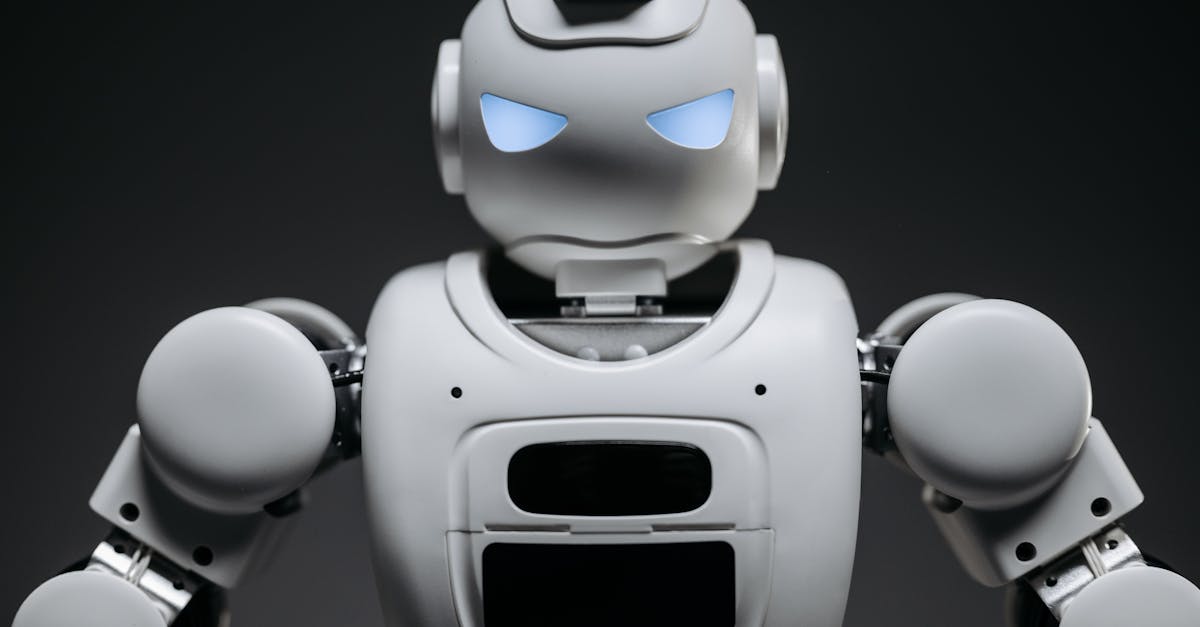
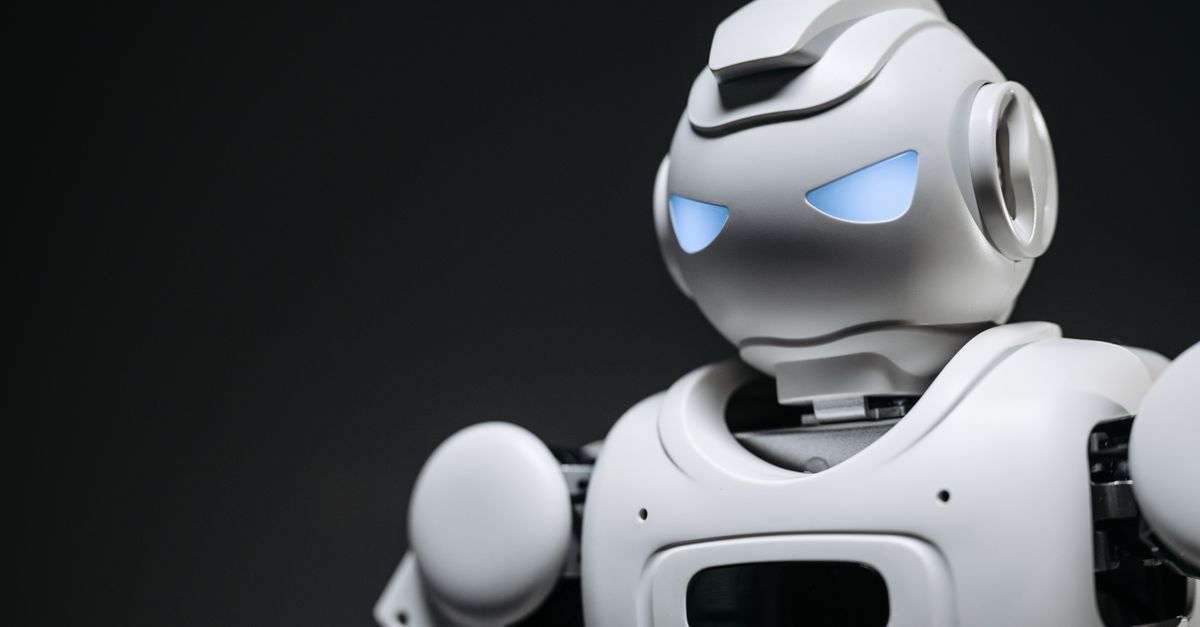
The unveiling took place during the opening keynote of the expo, where Arya Robotics CEO Dr. Arjun Mehta emphasized the company's commitment to 'democratizing humanoids for the Global South.' The audience witnessed a live demonstration where the Arya-1 navigated an obstacle course and interacted with human operators using gesture recognition. The robot's visual processing unit utilizes a proprietary multimodal sensor array combining LiDAR and depth cameras, allowing it to operate safely in dynamic environments alongside human workers.
Specifications and Pricing Strategy
The Arya-1 stands at 1.6 meters tall and weighs 45 kilograms, featuring 40 degrees of freedom across its limbs and torso. The robot is equipped with high-torque actuators and a custom-designed dexterous hand capable of manipulating small electronic components with precision. Powered by a 48V lithium-ion battery system, the unit offers up to six hours of continuous operation per charge. Crucially, the company announced a base price of ₹15 Lakhs (approximately $18,000 USD), positioning the robot as a highly cost-effective alternative to imported humanoid units that typically retail for over $30,000.
Competitors at the event included several international exhibitors showcasing humanoid platforms, but the Arya-1's value proposition resonated strongly with local attendees. Dr. Mehta revealed that the company has secured pre-orders from three major Indian automotive component manufacturers for pilot deployments. The robot's modular design allows for easy customization of end-effectors, enabling rapid reconfiguration for different manufacturing tasks without hardware replacement. This flexibility addresses a common bottleneck in humanoid adoption, where specialized tooling often adds significant cost and complexity.
Industry Impact and Government Alignment
During the demo stage, Arya-1 successfully performed complex pick-and-place tasks, assembly line inspection, and object recognition workflows. The company highlighted that the robot's software stack includes native support for Indian language voice commands and integration with local ERP systems widely used in domestic factories. Industry analysts note that the affordable pricing could accelerate the adoption of humanoid robots in India's electronics manufacturing services (EMS) and automotive sectors, where labor costs are rising and skilled workforce availability remains a constraint.
The India Robotics Week 2024 also hosted a panel discussion on 'Indigenous Humanoid Development,' where Arya Robotics shared its supply chain strategy. The company reported that 85% of the Arya-1's components are sourced domestically, including precision gears and custom chips, contributing to India's self-reliance goals under the Production Linked Incentive (PLI) scheme for electronics. Attendees noted that the event underscored a growing confidence in India's ability to produce world-class humanoid hardware at competitive price points, moving beyond assembly to indigenous design and manufacturing.
Future Roadmap and Expansion
The event concluded with the announcement of a partnership with the Ministry of Electronics and Information Technology (MeitY) to include the Arya-1 in the upcoming 'Robotics Mission' subsidy framework, potentially reducing the effective cost for Indian SMEs further. Arya Robotics plans to begin volume manufacturing of the Arya-1 in early 2025 at a new facility in Hosur, Tamil Nadu. The startup aims to export the Arya-1 to Southeast Asian and Middle Eastern markets by mid-2025, leveraging the cost advantages of Indian manufacturing to capture a share of the emerging global humanoid market.
More in Reviews & Opinion