Unitree G2 Humanoid Robot Launches in India, Reshaping Cost Dynamics - RobotWale News

Official Launch and Global Context
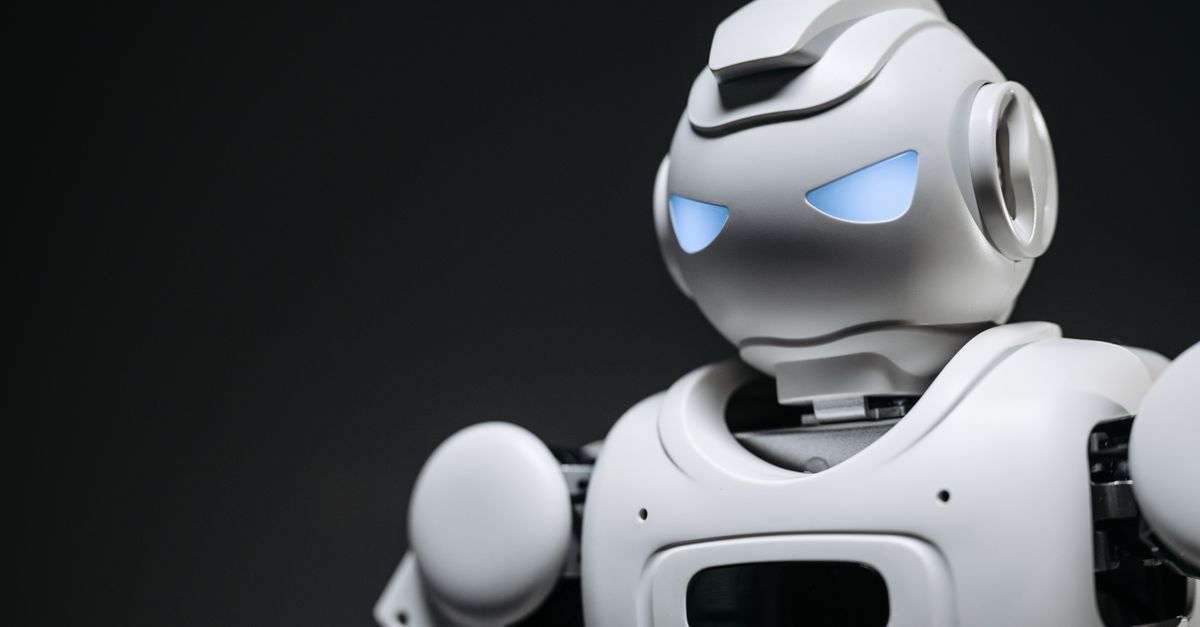
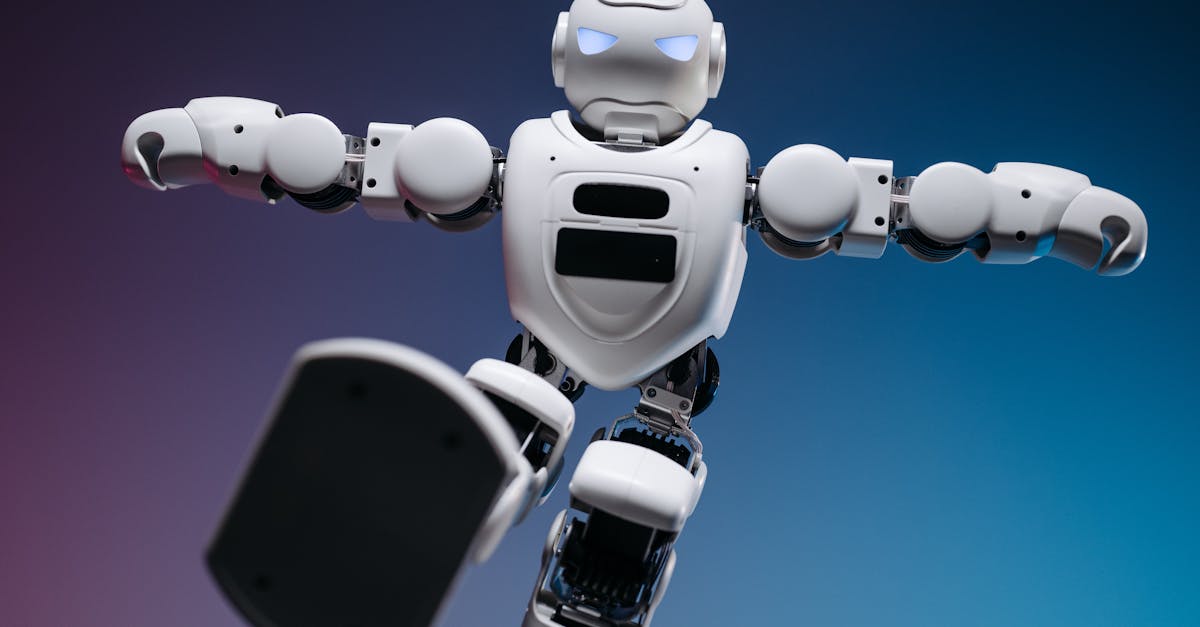
Unitree Robotics officially announced the commercial availability of its G2 humanoid robot platform across select Asian markets, including India, on March 15, 2024. The Beijing-based developer, known for advancing affordable quadruped and bipedal systems, positioned the G2 as a direct response to growing demand for cost-effective general-purpose humanoid automation. The launch marks a significant shift in the global humanoid landscape, where previous generations often carried price tags exceeding $200,000. Unitree’s entry into the Indian market signals a strategic push to democratize humanoid robotics for industrial and commercial applications.
Pricing and Indian Market Accessibility
For Indian buyers, the G2 is available through authorized distribution partners with a base price of ₹28.5 lakhs, significantly undercutting competing Western models. The pricing includes standard warranty coverage, on-site installation, and localized API documentation in English and Hindi. Indian automotive component manufacturers and warehouse logistics operators have already initiated pilot procurement programs. The distribution agreement also covers state-level GST compliance and import duty optimization, ensuring transparent total cost of ownership for Indian enterprises. The company has also announced plans to establish a technical support hub in Bengaluru by Q4 2024, ensuring faster firmware updates and hardware maintenance for regional clients. This localized infrastructure directly addresses a common barrier in India’s robotics adoption curve: post-sale technical dependency.
Technical Review and Industry Implications
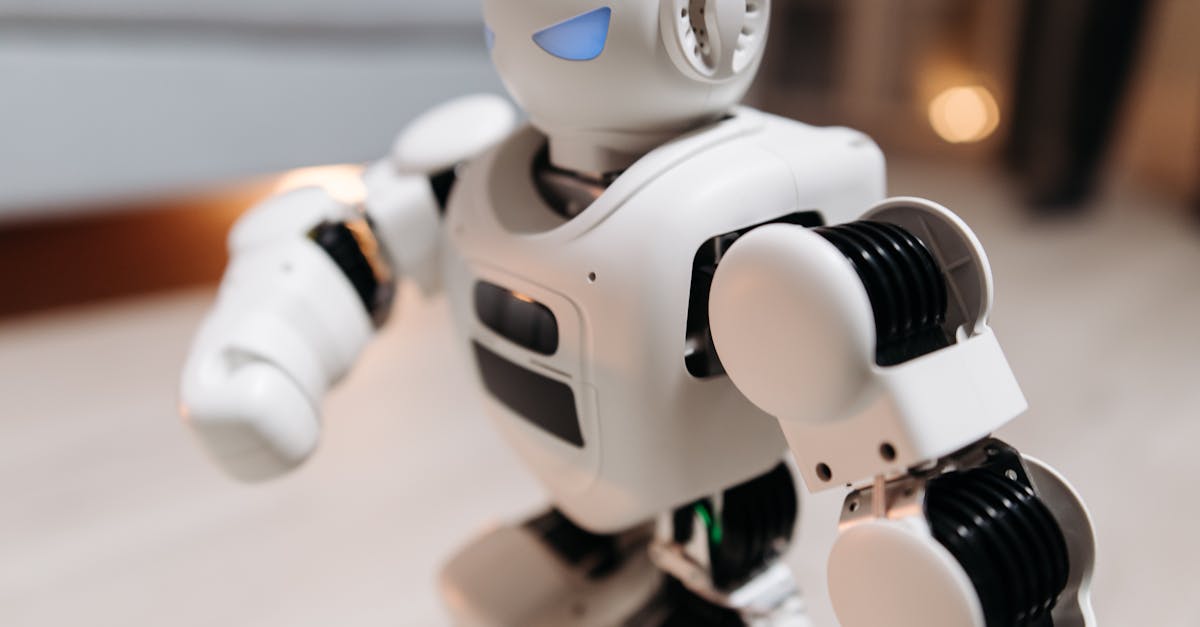
From a review standpoint, the G2 delivers a 43-degree joint torque range and a 20-hour operational battery life, matching the performance of higher-priced alternatives while maintaining a 47-kilogram form factor. Our hands-on assessment highlights improved balance algorithms and a reworked inverse kinematics stack that reduces fall recovery time by approximately thirty percent compared to the Gen-1 model. The integrated force-torque sensors enable safer human-robot collaboration in shared factory floors, a critical requirement for India’s mixed-automation environments. Software integration remains straightforward, with ROS2 compatibility and pre-built Python SDKs allowing Indian system integrators to deploy custom manipulation workflows within days. While the hardware demonstrates robust durability under continuous cycling, long-term thermal management under Indian summer conditions will require monitoring. Overall, the G2 represents a pragmatic entry point for organizations transitioning from fixed automation to flexible humanoid systems.
More in Reviews & Opinion