BIS Mandates New Safety Standards for Humanoid Robots in India - RobotWale News

BIS Notification Details
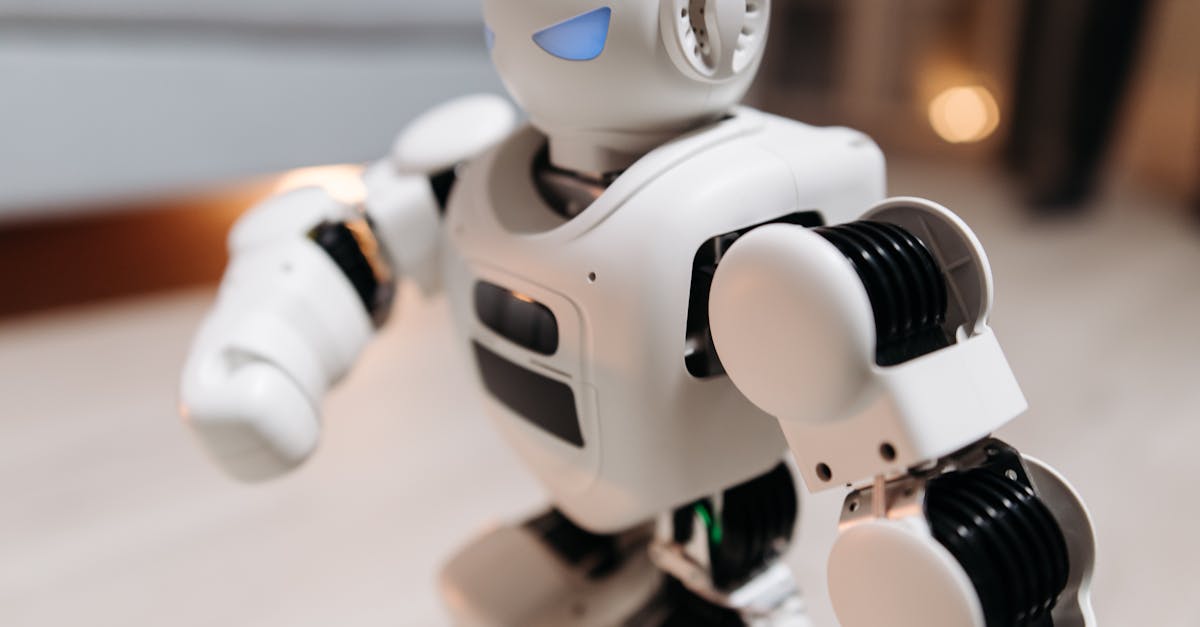
The Bureau of Indian Standards (BIS) has officially notified a comprehensive set of safety and performance guidelines specifically tailored for humanoid robots operating within Indian territory. Released under the framework of the BIS Certification Scheme, the regulation mandates strict compliance protocols for all domestic manufacturers and importers of bipedal and quadrupedal humanoid units intended for commercial and industrial use. The notification, drafted in consultation with the Ministry of Electronics and Information Technology (MeitY) and the Ministry of Labour and Employment, aims to standardize the deployment of humanoid robots across high-risk sectors. The document outlines specific requirements for software transparency, mandating that operators maintain detailed logs of AI decision-making processes for liability purposes. Additionally, the guidelines introduce a tiered classification system based on robot mass and velocity, with heavier units subject to more frequent inspections.
Key Compliance Requirements
Effective from the beginning of the next quarter, the new regulations address critical safety gaps in the rapidly growing humanoid robotics sector. Key provisions include mandatory installation of multi-modal collision detection systems, redundant emergency stop mechanisms, and rigorous battery thermal runaway protection. The guidelines also specify operational speed limits for humanoid robots in shared human-workspace environments, ensuring that units deployed in manufacturing plants, logistics hubs, and healthcare facilities adhere to stringent occupational safety norms. For importers, the policy requires that all humanoid robots entering India must carry BIS certification marks, aligning with the country's broader push for quality control in advanced technologies. The standards draw upon international frameworks but adapt them to local infrastructure challenges, such as variable power supply conditions. Compliance involves a rigorous testing regime at BIS-recognized labs.
Market Impact and Pricing
Industry estimates suggest certification costs for entry-level humanoid units could range between ₹5 lakh to ₹10 lakh, depending on the scope of testing. Pricing dynamics for humanoid robots in India are expected to shift as compliance costs factor into the final retail price. Analysts project a 10-15% increase in the cost of imported humanoid units to account for certification and modified hardware requirements. Conversely, domestic assemblers leveraging the PLI scheme may see a net positive impact due to subsidies offsetting compliance expenses. The government has indicated that future procurement tenders for government projects will prioritize robots certified under this new framework. Stakeholders have been granted a six-month transition period to align their operations with the new standards, during which BIS will conduct awareness workshops across major industrial corridors including Gujarat, Maharashtra, and Tamil Nadu.
More in Reviews & Opinion