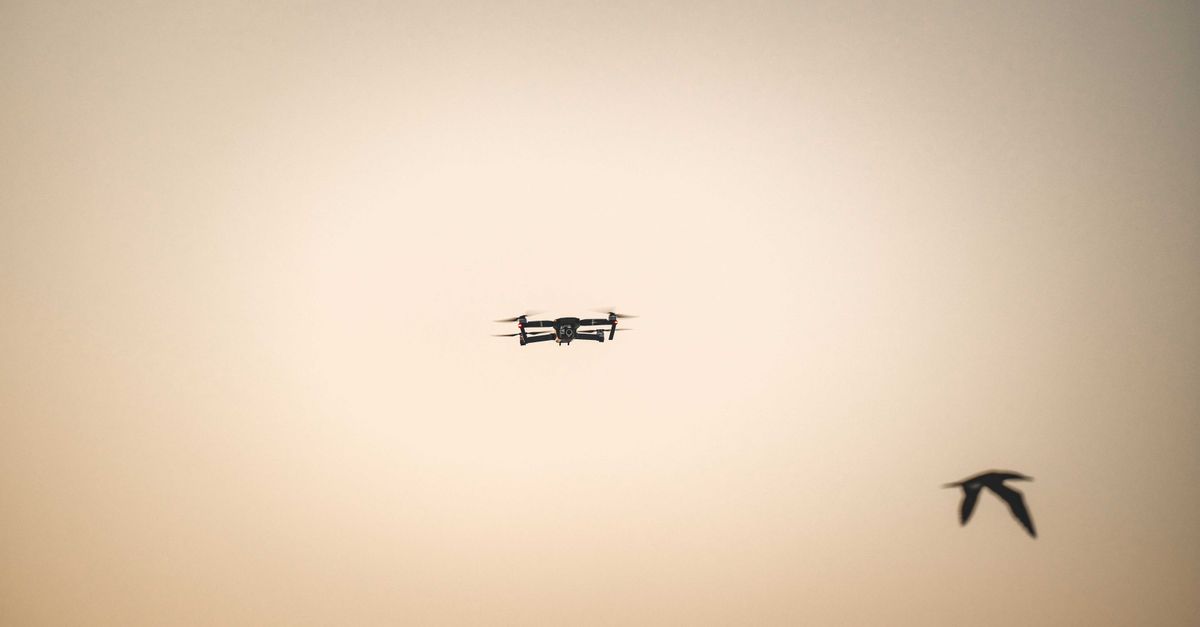
India’s Drone Regulatory Framework: The DGCA Rules Explained

India’s Drone Regulatory Framework: The DGCA Rules Explained
India’s unmanned aerial vehicle ecosystem operates under a structured regulatory regime administered by the Directorate General of Civil Aviation (DGCA) and the Ministry of Civil Aviation. The framework is anchored in the Drone Rules 2021, which replaced earlier ad-hoc guidelines with a unified, technology-neutral approach. This article examines the operational, technical, and financial requirements for deploying drones in India, grounded in official notifications, platform documentation, and verifiable market data.
The Legal Foundation: Drone Rules 2021
The Drone Rules 2021 were notified on 12 March 2021 and came into effect immediately. They establish the legal architecture for drone manufacturing, import, operation, and remote pilot certification. The rules explicitly decouple drone regulation from traditional manned aviation permits, introducing a streamlined approval process centred on the Digital Sky platform. The policy prioritises safety, data privacy, and indigenous manufacturing, mandating that all drones operating in Indian airspace comply with type certification, unique identification, and geofencing protocols.
Key statutory provisions include:
- Class-based categorisation of drones by weight and operational envelope.
- Mandatory type certification from DGCA-recognised agencies before commercial deployment.
- Geofencing compliance to restrict flight in prohibited airspace.
- Data localisation requirements for drones capturing sensitive imagery.
- Liability frameworks assigning operational responsibility to the remote pilot and operator.
Manufacturers must adhere to the India Drone Rules 2021 guidelines and obtain a Unique Manufacturer Identity (UMI) from Digital Sky. Operators must secure an Operator ID before any commercial activity. These identifiers are prerequisites for insurance, financing, and export documentation.
Classification and Airworthiness Requirements
DGCA classifies drones into five weight-based categories: Nano, Micro, Small, Medium, and Heavy. Each category dictates distinct operational ceilings, pilot licensing requirements, and certification pathways. The classification is strictly physical, measured at take-off weight including payload.
- Nano: Up to 250 grams. Operational limit: 50 feet AGL. No pilot license required for recreational use; UIN mandatory.
- Micro: 250 grams to 2 kilograms. Operational limit: 120 feet AGL. Nano-level pilot training recommended.
- Small: 2 kilograms to 25 kilograms. Operational limit: 400 feet AGL. Remote Pilot License (RPL) mandatory.
- Medium: 25 kilograms to 150 kilograms. Operational limit: 400 feet AGL. RPL + additional operational approval required.
- Heavy: Above 150 kilograms. Operational limit: 400 feet AGL. RPL + DGCA special permit required.
Type certification remains the primary airworthiness gate. DGCA-recognised testing agencies evaluate drones against performance, endurance, navigation, and fail-safe criteria. Only hardware that passes these tests receives a Type Certificate, enabling mass production and commercial deployment. Operators should verify certification status before procurement, as uncertified hardware cannot be legally registered or insured in India.
Digital Sky Platform: The Centralised Compliance Engine
All drone-related authorisations, registrations, and flight permissions are processed through the Digital Sky platform (digital-skies.gov.in). The platform consolidates previously fragmented processes into a single digital pipeline. It handles UIN issuance, operator registration, remote pilot license applications, flight plan approvals, and type certification tracking.
Core platform functions include:
- UIN Registration: Every drone manufactured or imported into India must be assigned a Unique Identification Number. Registration is free on Digital Sky and links the hardware to the manufacturer and operator. <>Operator ID: Required for any commercial or non-recreational operation. Valid for five years and transferable with DGCA approval.
- Flight Permissions: Automated clearance for Nano/Micro drones in green zones. Manual review for Small/Medium/Heavy drones or operations in restricted zones.
- Geofencing Integration: Mandatory ADS-B and geo-fencing modules must communicate with Digital Sky to enforce no-fly zones automatically.
The platform does not approve hardware specifications. It validates documentation, verifies insurance, and enforces airspace boundaries. Operators must ensure their drones meet Digital Sky’s data transmission standards before attempting flight permissions.
Remote Pilot Licensing and Training Standards
India requires remote pilot licensing for all drones above the Nano category. The DGCA issues Remote Pilot Licenses (RPL) through approved training organisations. Licensing is tiered by drone category, with practical and theoretical assessments conducted at DGCA-recognised centres.
Licensing structure:
- Nano/Micro: No formal license required, but operators must complete a DGCA-approved online awareness module.
- Small: Mandatory RPL. Course duration: 50 hours. Assessment includes written exam and practical flight evaluation. Fee: approximately ₹15,000 to ₹25,000 depending on the training provider.
- Medium/Heavy: RPL plus category-specific operational training. Fee: approximately ₹25,000 to ₹40,000. Additional simulator hours and flight-hour logs are mandatory.
Training providers must hold DGCA approval. Certificates are issued digitally and linked to the pilot’s Digital Sky account. Recertification is required every three years, including refresher training and updated airspace regulation assessments.
Registration, UIN, and Operational Permissions
UIN registration is the first step for any drone entering Indian airspace. The process requires manufacturer details, serial number, weight classification, and insurance proof. Once issued, the UIN must be physically affixed to the drone and digitally logged in Digital Sky. Transferring ownership requires updating the operator ID and notifying DGCA within 30 days.
Operational permissions depend on classification and location:
- Nano drones in green zones require only Digital Sky registration. No flight plan submission needed.
- Micro drones in green zones require flight plan submission 24 hours in advance.
- Small drones require RPL, operator ID, and flight plan approval. Green zone flights are auto-approved; yellow/red zones require manual DGCA clearance.
- Medium/Heavy drones require additional operational approvals, payload declarations, and emergency response protocols.
Insurance is mandatory for all commercial operations. Third-party liability coverage typically costs ₹5,000 to ₹15,000 annually for Small drones, scaling with payload value and operational risk. Hull coverage is optional but recommended for high-value industrial hardware.
Import Duties, Make in India, and Equipment Costs
India’s drone import policy balances domestic manufacturing incentives with technical accessibility. Current customs duties apply as follows:
- Drones (finished units): 5% basic customs duty.
- Accessories and components: 20% basic customs duty, subject to periodic policy revisions.
- Make in India exemptions: Drones manufactured domestically under approved PLI schemes receive duty concessions and faster type certification.
Equipment pricing in India reflects certification status, payload capacity, and software integration. Approximate landed costs for compliant hardware are:
- Nano/Micro: ₹15,000 to ₹60,000. Suitable for mapping, inspection, and agricultural scouting.
- Small: ₹60,000 to ₹2,50,000. Standard for commercial surveying, delivery trials, and industrial monitoring.
- Medium/Heavy: ₹3,00,000 to ₹15,00,000+. Used for cargo logistics, heavy payload agriculture, and infrastructure inspection.
Operators should budget for certification testing, insurance, RPL training, and Digital Sky subscription tiers if using enterprise fleet management tools. Total first-year compliance costs for a Small drone fleet typically range from ₹1,00,000 to ₹3,00,000, excluding hardware.
Compliance Checklist for Indian Operators
Before deploying drones in India, operators must verify the following:
- Hardware holds DGCA type certification or is manufactured under an approved domestic scheme.
- UIN and Operator ID are active on Digital Sky and match the physical unit.
- Remote pilot holds a valid RPL matching the drone category.
- Flight plans are submitted 24 hours in advance for non-Nano drones.
- Geofencing and ADS-B modules are calibrated and communicating with Digital Sky.
- Third-party liability insurance is current and covers the intended operational envelope.
- Data storage complies with Indian data localisation requirements for sensitive imagery.
Regulatory updates occur periodically. Operators should monitor DGCA notifications and Digital Sky announcements for changes to airspace classification, duty structures, and certification pathways. Compliance is enforceable, with penalties for unregistered flights, uncertified hardware, or unlicensed operation.
References
- Ministry of Civil Aviation. Drone Rules, 2021. https://dcaa.gov.in/drone-rules-2021
- DGCA. Digital Sky Platform Guidelines. https://digital-skies.gov.in/guidelines
- DGCA. Remote Pilot License Framework and Training Standards. https://dgca.gov.in/remote-pilot-license
- Ministry of Finance. Customs Tariff Notifications on Drones and Components. https://cbic.gov.in/customs-tariff
- MeitY & DGCA. Data Localisation and Drone Imaging Guidelines. https://www.meity.gov.in/drone-data-guidelines
- FICCI. India Drone Policy and Compliance Handbook (2023). https://www.ficci.in/drone-regulation-report
✓ Key takeaways
- •Hands-on view of India’s Drone Regulatory Framework: The DGCA Rules Explained inside our DGCA Drone Rules library.
- •Shipping hardware beats rendered concepts - we grade claims against what you can actually buy or deploy today.
- •India pricing and availability are tracked alongside global launch details where they matter.
Related articles
More in DGCA Drone Rules →