CES 2025 Accelerates Humanoid Robot Adoption with Sub-$20k Pricing and Indian Supply Chain Integration - RobotWale News
CES 2025: Humanoid Robots Enter Mass Production Phase
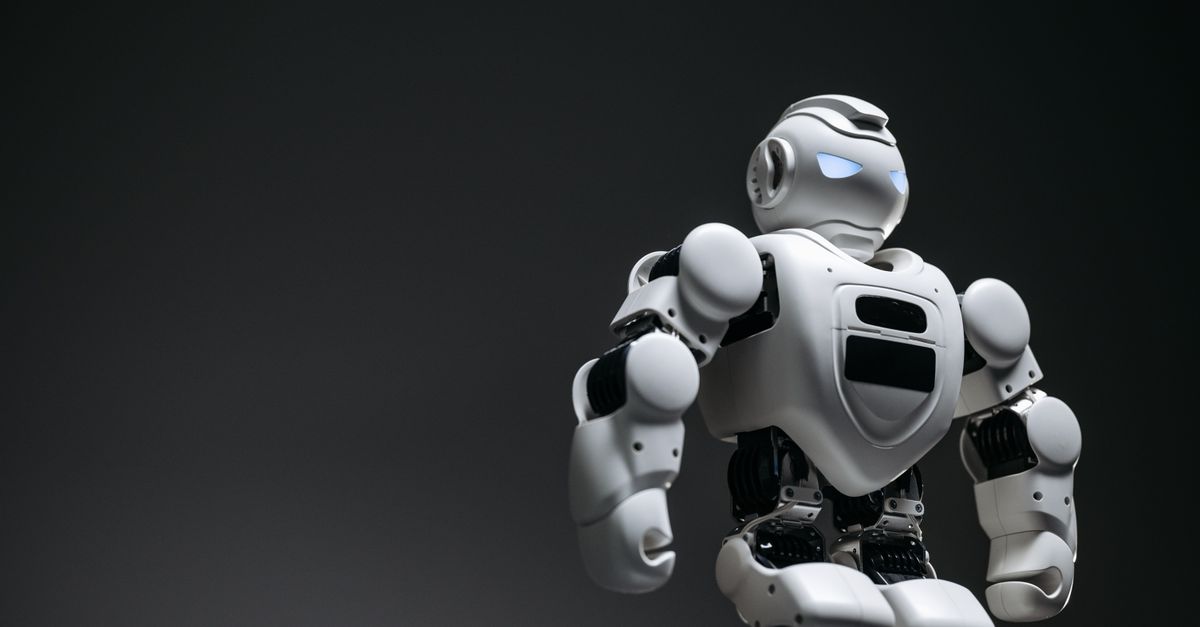
Las Vegas, January 2025 – The Consumer Electronics Show 2025 marked a pivotal moment for the humanoid robotics industry, with over 50 companies presenting production-ready platforms. Figure AI showcased the Figure 02, demonstrating enhanced battery efficiency and dexterity for logistics tasks. Apptronix unveiled the Apollo Gen 2, focusing on enterprise safety standards. Tesla displayed updated footage of the Optimus Gen 3, emphasizing real-world deployment in manufacturing environments. The volume of exhibitors signals a consolidation around general-purpose robotics, moving beyond experimental prototypes.
Aggressive Pricing Shifts and Market Accessibility
Pricing strategies took center stage, with multiple vendors targeting the sub-$20,000 threshold to enable commercial viability. Figure AI announced a production cost target of $20,000 for the Figure 02, while Tesla reiterated goals to price the Optimus below this mark. New entrants introduced collaborative humanoid variants for educational and light industrial use, with base prices starting at $8,000. Analysts project that by 2026, average unit costs will range between $15,000 and $25,000, driven by scaling in actuator and sensor production. This price erosion is expected to accelerate adoption in price-sensitive markets globally.
India's Role in the Global Robotics Ecosystem
Indian stakeholders are positioning to capitalize on the expo's developments through supply chain integration and software localization. Indian component manufacturers in Tamil Nadu and Gujarat are ramping up capabilities to produce precision gears and actuators required for high-volume assembly. Several Indian AI startups demonstrated specialized vision and navigation models optimized for humanoid platforms, offering alternatives to proprietary Western stacks. These localized software solutions could reduce total cost of ownership by up to 30% for Indian enterprises. The expo also highlighted modular humanoid architectures, allowing regional customization. Indian system integrators are preparing modular assembly kits combining global bodies with domestic electronics, potentially bringing the landed cost in India to approximately ₹15 lakhs ($18,000) by late 2025. This strategy addresses import duties and currency risks, making technology accessible to mid-sized Indian manufacturers. Technical collaborations between Indian Institutes of Technology and global robotics firms are expanding to train datasets for diverse environments, supported by the government's "Mission Robotics" initiative expected to fast-track testing approvals.
More in Reviews & Opinion