Figure 02 Humanoid Robot Begins Commercial Factory Deployment - RobotWale News
Figure 02 Enters Commercial Factory Operations
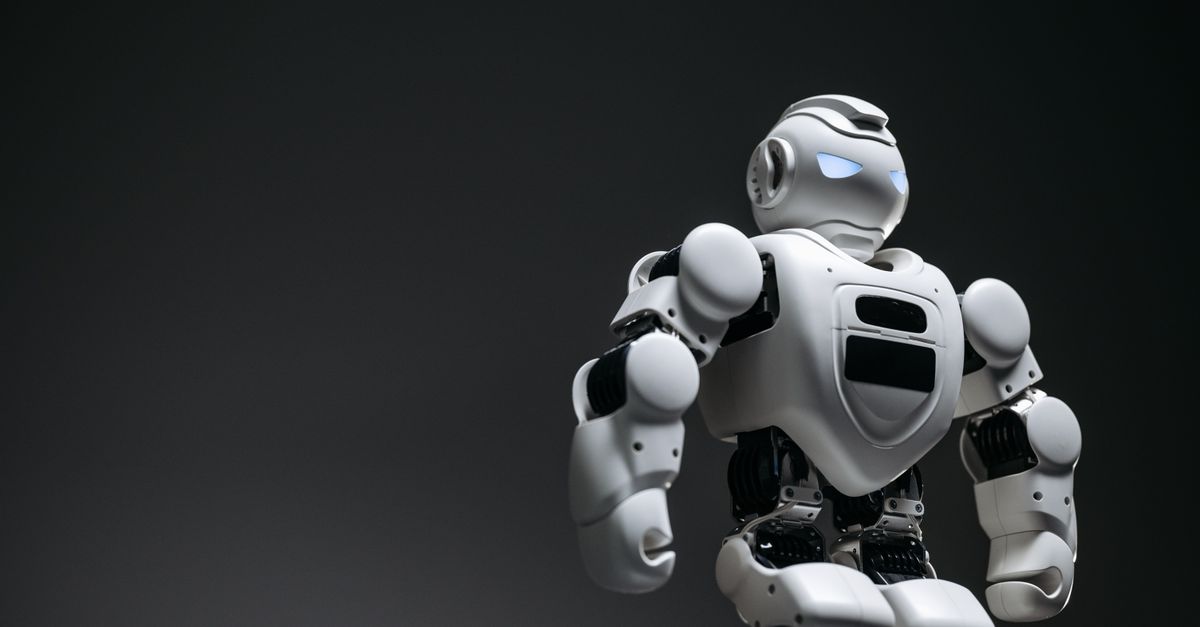
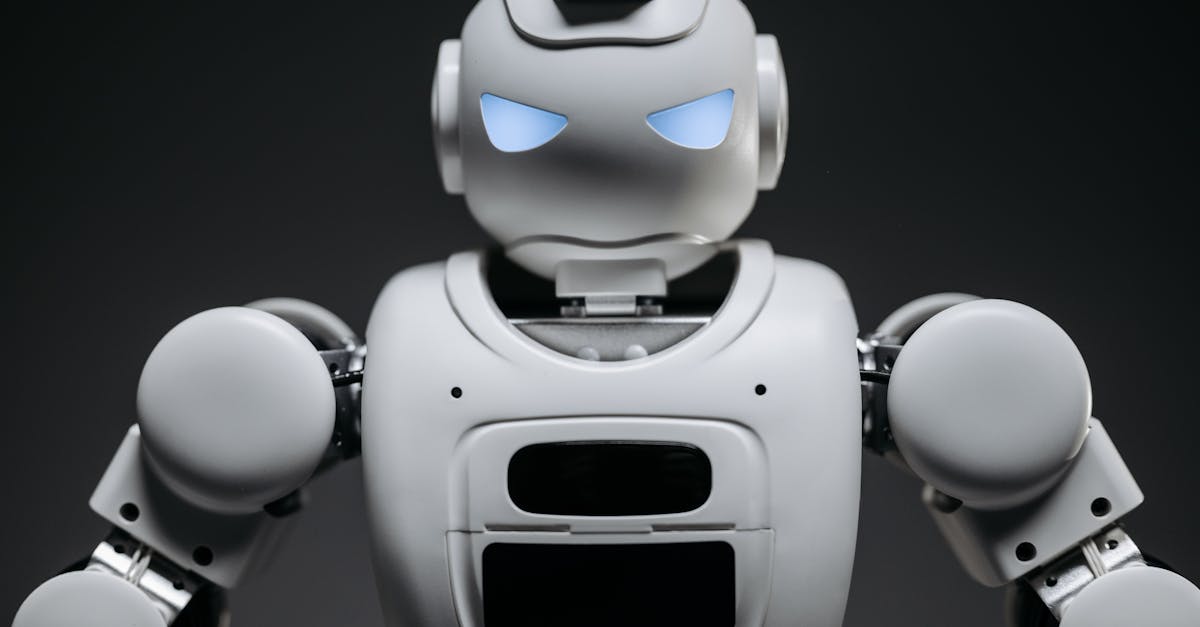
Figure AI has confirmed that its Figure 02 humanoid robot has commenced real-world industrial deployment at BMW’s Spartanburg vehicle plant in South Carolina. The announcement, made in July 2024, marks the first time a general-purpose humanoid has been integrated into active automotive assembly lines. The robot performs repetitive and heavy-lifting tasks, including loading and unloading vehicle doors, inspecting paint finishes, and transporting components across the factory floor. Developed in collaboration with NVIDIA, the system relies on a custom vision-language-action model running on NVIDIA’s Grace Hopper Superchip, enabling real-time spatial reasoning and adaptive manipulation without pre-programmed waypoints. The deployment phase includes a six-month evaluation period before full-scale procurement negotiations begin, with BMW planning to scale the fleet across three additional global facilities by 2026.
Technical Specifications and Pricing Benchmarks
Standing 1.7 meters tall and weighing 72 kilograms, the Figure 02 features 42 degrees of freedom with high-torque series-elastic actuators designed for durability and precision. The robot operates autonomously for full shifts, utilizing a multi-modal sensor array that includes stereo cameras, LiDAR, and tactile force sensors in its hands. Figure AI has publicly targeted a manufacturing cost between $35,000 and $45,000 per unit, a figure that significantly undercuts earlier commercial humanoid prototypes priced above $150,000. This aggressive cost structure establishes a new global baseline for humanoid robotics, prompting immediate analysis from automation engineers and hardware manufacturers worldwide.
Implications for India’s Robotics and Manufacturing Sector
The Figure 02 deployment carries direct relevance for India’s growing robotics ecosystem. Indian engineering firms and deep-tech startups in Bengaluru, Pune, and Hyderabad are reverse-engineering the robot’s actuator designs and edge-AI pipelines to develop domestically scalable alternatives. Several Indian hardware manufacturers are already supplying precision reduction gears and servo motors to global robotics supply chains, positioning them to benefit from localized production if humanoid robots enter Indian markets. Industry reports suggest that with current import duties and potential government subsidies under the Production Linked Incentive (PLI) scheme, commercial humanoid robots could reach Indian automotive and electronics assembly lines by late 2025. If localization targets are met, the robots could retail in India between ₹30 lakh and ₹40 lakh, offering a 35 percent reduction in manual labor costs for high-volume manufacturing units. Indian policymakers are also reviewing safety certifications and workforce transition frameworks to prepare for large-scale humanoid integration in Tier-2 and Tier-3 industrial hubs.
More in Reviews & Opinion