Figure AI Deploys Figure 02 at BMW; Pricing Shifts Signal Opportunity for Indian Manufacturers - RobotWale News

Figure 02 Enters BMW Production Line
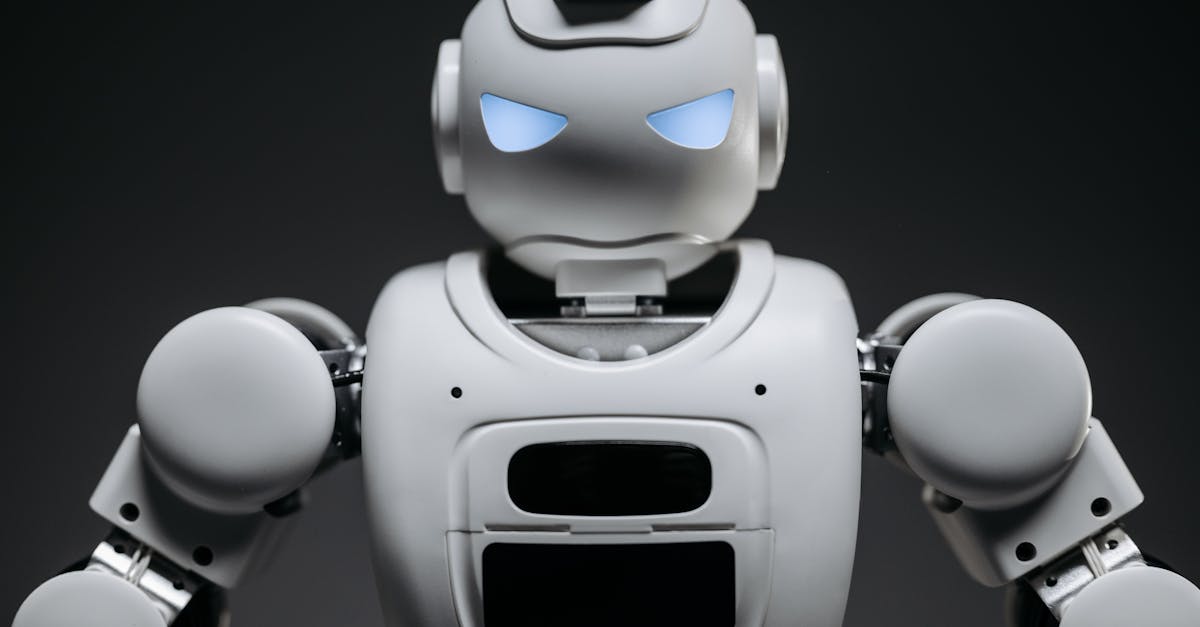
Figure AI has officially commenced the deployment of its Figure 02 humanoid robot at the BMW Group Spartanburg plant in South Carolina, marking a pivotal milestone in the commercialization of general-purpose robotics. The Figure 02 is currently engaged in vehicle assembly operations within the facility that produces the X5, X6, and X7 model lines. The robot is tasked with performing complex tasks that require high dexterity and spatial awareness, such as manipulating components, inspecting surfaces, and utilizing hand tools. This live environment test follows extensive simulation and laboratory validation, demonstrating the robot's ability to navigate dynamic factory floors and interact safely with human workers. BMW and Figure AI are collaborating to collect operational data to refine performance, safety protocols, and task completion rates. The Figure 02 utilizes a proprietary actuator design capable of delivering high torque and power density, enabling it to lift and position heavy automotive parts with precision. The deployment underscores BMW's strategy to integrate advanced automation to address skilled labor shortages and enhance manufacturing flexibility across its global network. This marks one of the first instances where a general-purpose humanoid is operating in a high-stakes automotive manufacturing environment, providing real-world data on reliability and throughput.
Pricing Dynamics and Indian Market Implications
Pricing dynamics emerging from this deployment carry significant implications for the Indian robotics industry. Figure AI has stated that scaling production will drive down unit costs, with industry analysts forecasting humanoid prices to approach the $20,000 to $30,000 range as manufacturing matures and component supply chains optimize. This price point is transformative for Indian system integrators and automation providers. Currently, the Indian market relies on specialized collaborative robots and custom automation for complex tasks, which often carry high integration costs and limited versatility. The potential for affordable, versatile humanoids could enable Indian manufacturers in the automotive, electronics, and pharmaceutical sectors to deploy assistance robots for intricate assembly and quality inspection without prohibitive capital expenditure. For Indian EV manufacturers and battery pack assembly units, humanoids could offer a solution for handling irregular cell geometries and complex wiring harnesses. Furthermore, the reduced hardware cost shifts the value proposition toward software and AI capabilities. Indian AI startups and engineering firms are well-positioned to develop the domain-specific models and control software required for these deployments, creating opportunities for export-oriented software contracts with global humanoid OEMs. The alignment with the Indian government's 'Make in India' initiative could see local firms leveraging humanoid technology to boost export competitiveness in precision manufacturing.
Industry Adoption Trends and Strategic Outlook
The race to deploy humanoids in industrial settings is intensifying, with competitors like Tesla, Apptronik, and Fourier Intelligence also targeting manufacturing and logistics use cases. The BMW-Figure partnership highlights the automotive sector's urgency to adopt humanoid technology as a response to demographic shifts and labor constraints in developed markets. For Indian industrial stakeholders, tracking these global deployments provides critical benchmarks for workforce planning and technology adoption timelines. As hardware costs decline and reliability improves, Indian factories are expected to see increased pilot programs for humanoid assistance within the next 24 months. Key adoption drivers will include the robot's ability to integrate with existing factory IoT ecosystems and the availability of localized support networks. Indian robotics clusters in Bangalore, Chennai, and Pune are likely to emerge as hubs for humanoid software development and customization, bridging the gap between global hardware advancements and local industrial requirements. Monitoring these deployment metrics will be essential for Indian enterprises to time their capital allocation strategies effectively in the evolving automation landscape.
More in Reviews & Opinion