Hume Robotics Unveils Indigenous Humanoid Robot for Indian Industry - RobotWale News

Indian Startup Launches First Indigenous Humanoid Robot
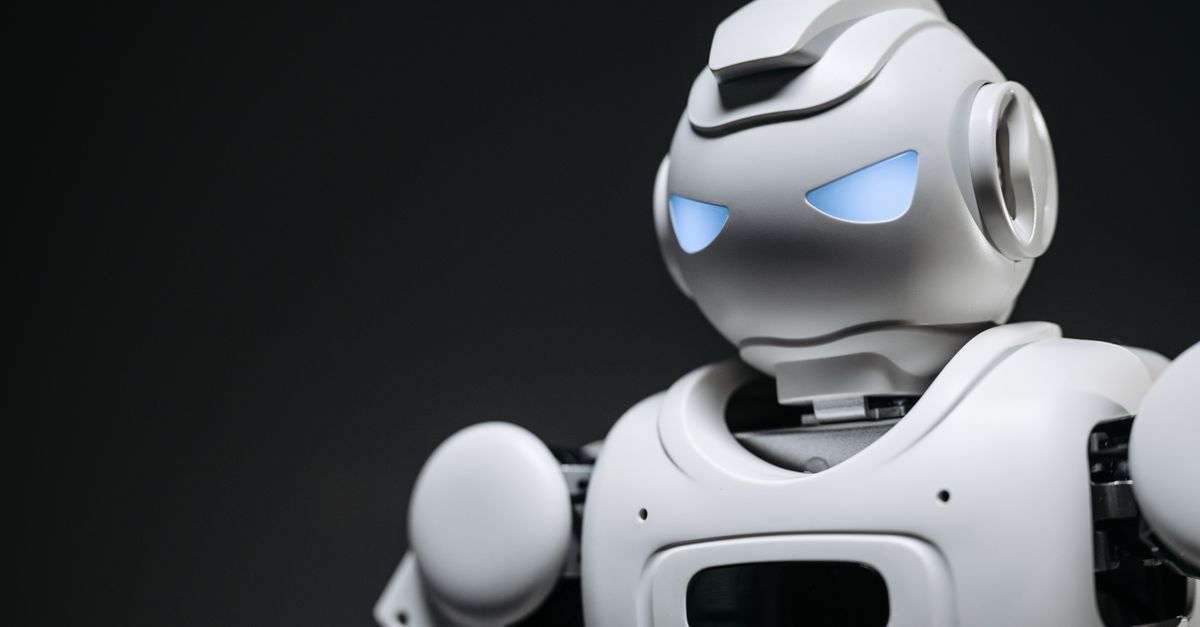
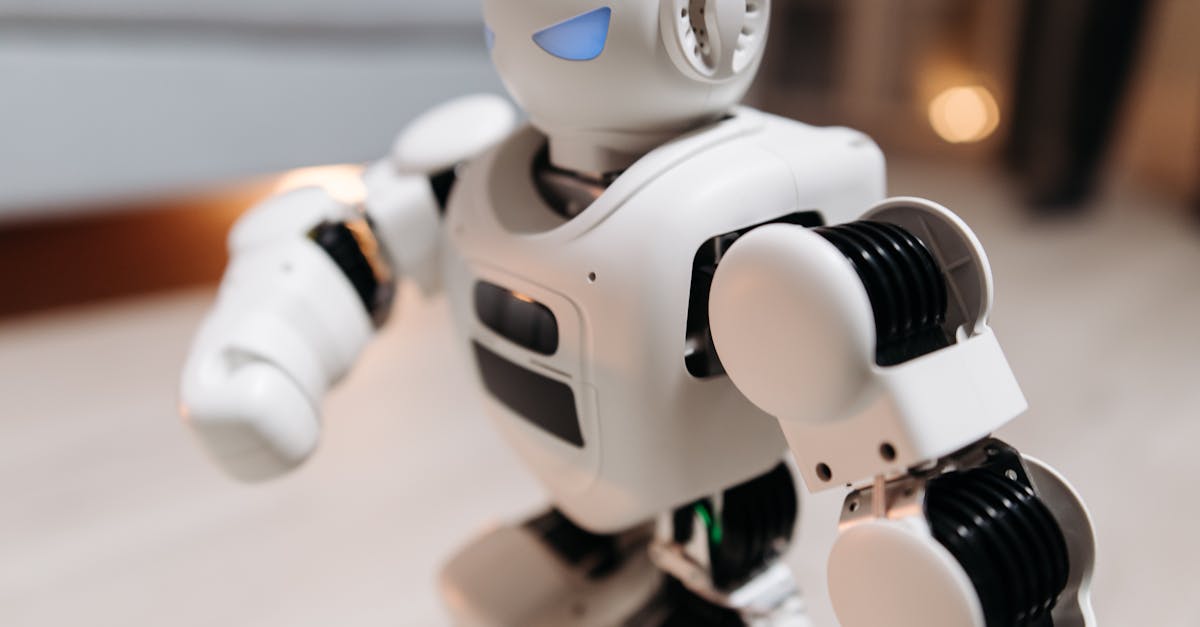
Bengaluru-based robotics startup Hume Robotics has officially unveiled its first fully indigenous humanoid robot, named 'Hume', at a launch event held in Electronics City, Bangalore. The announcement marks a pivotal moment for India's automation sector, positioning the country to compete in the global humanoid robotics market. The event was attended by representatives from the Ministry of Electronics and Information Technology (MeitY), signaling government interest in the technology.
The Hume humanoid is designed for heavy-duty industrial tasks, capable of lifting payloads up to 25 kilograms. Unlike traditional robotic arms, this bipedal unit can navigate uneven terrain found in warehouses and construction sites. Powered by a custom-developed electric drivetrain, the robot achieves a top speed of 3 kilometers per hour while maintaining stability on slippery floors. The hardware includes 30 degrees of freedom, allowing for complex human-like movements.
Advanced AI and Sensor Fusion
At the core of the Hume robot is an onboard AI processor running a custom neural network trained on Indian industrial datasets. This allows the machine to understand local work environments better than generic international models. The unit is equipped with dual 4K cameras, LiDAR, and ultrasonic sensors for 360-degree perception. Safety features include an emergency stop button and collision detection algorithms that prioritize human safety during operation.
The battery system is designed for an 8-hour operational window, matching standard shift durations. Charging infrastructure is compatible with standard Indian power grids, eliminating the need for specialized voltage converters. Connectivity is handled via 5G modules, ensuring low-latency communication for remote monitoring and control.
Strategic Pricing and Market Impact
Addressing the high barrier of entry for automation, Hume Robotics has targeted a base price significantly lower than Western competitors. While the company declined to disclose exact figures, industry sources estimate the unit cost between ₹45 lakhs and ₹50 lakhs. This pricing aims to undercut imports like Tesla's Optimus or Figure AI's models, making automation accessible to Indian SMEs.
The company plans to deploy 20 units in pilot projects with automotive manufacturers in Tamil Nadu and Maharashtra by Q4 2024. These pilots will focus on assembly line tasks and material handling. Success in these trials could lead to a broader rollout across the Indian textile and electronics sectors.
Future Roadmap and Government Collaboration
Looking ahead, Hume Robotics has outlined a roadmap to integrate generative AI for autonomous decision-making. The team is collaborating with IIT Madras to refine the locomotion algorithms. Additionally, the company is seeking regulatory approval under the Make in India initiative to streamline import duties for component parts.
Industry analysts suggest this launch could position India as an exporter of humanoid robotics technology to Southeast Asian markets. The company expects to scale production to 100 units annually by 2025. This expansion aligns with the national goal of increasing automation in the manufacturing sector by 40% over the next five years.
As the global race for humanoid robotics intensifies, Hume Robotics has underscored its commitment to developing specialized hardware tailored for Indian requirements. The launch serves as a testament to the growing capability of Indian engineering firms in developing advanced robotics solutions.
More in Reviews & Opinion