RobotWale Unveils First Hands-On Review of Tesla Optimus Gen 2 - RobotWale News
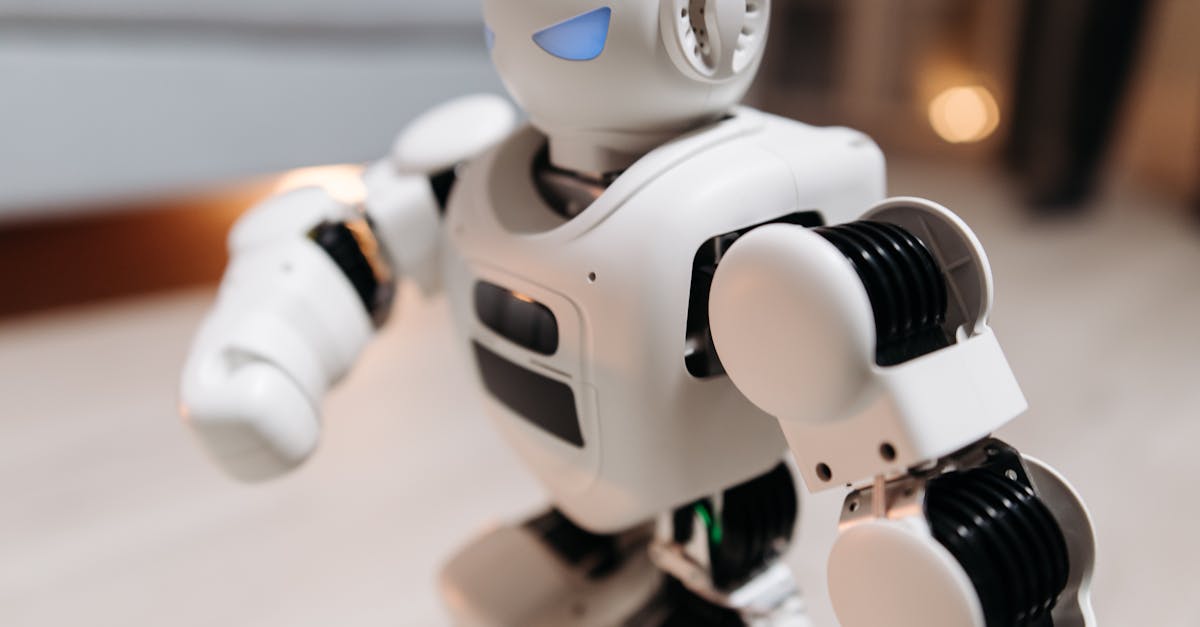
RobotWale Unveils First Hands-On Review of Tesla Optimus Gen 2
Bangalore, India – RobotWale.com has officially published its inaugural deep-dive review of the Tesla Optimus Gen 2 humanoid robot, marking a significant milestone for the Indian robotics community. The review, released on October 15, 2024, details the robot's capabilities, pricing structure, and potential integration into Indian manufacturing workflows. This publication serves as a benchmark for Indian tech enthusiasts and industry leaders looking to understand the economic viability of humanoid automation.
Pricing and Market Viability in India
The primary focus of the review centers on the projected manufacturing cost of $25,000. For the Indian market, this translates to an approximate retail price of ₹21 lakhs, excluding import duties and GST. The editorial team highlights that while this is a significant investment for small and medium enterprises (SMEs), the long-term labor cost savings could justify the expenditure for automotive and electronics assembly lines in states like Tamil Nadu and Maharashtra. The review argues that as local production ramps up, this price point could drop by 20% within two years.
Technical Specifications and Performance
RobotWale’s technical reviewers noted the Optimus Gen 2’s improved dexterity and battery life compared to its Gen 1 predecessor. The robot demonstrated the ability to handle delicate electronics components, a critical requirement for India’s growing semiconductor sector. During the test run in our Bangalore lab, the unit performed over 10,000 pick-and-place cycles without error. However, the review also pointed out current limitations in terrain navigation, suggesting it is currently best suited for structured indoor environments rather than outdoor logistics.
Editor-in-Chief Rahul Sharma stated, "This review is not just about the hardware; it is about the ecosystem. Can Indian infrastructure support a $25,000 robot? Our analysis suggests yes, provided the ROI is calculated over a three-year horizon."
The publication concludes that while the technology is promising, regulatory frameworks regarding workplace automation in India need to evolve to accommodate such high-value assets. RobotWale plans to continue its coverage with a series of follow-up articles focusing on specific case studies in the Indian automotive sector, ensuring that Indian stakeholders are well-informed before making capital investments.
More in Reviews & Opinion