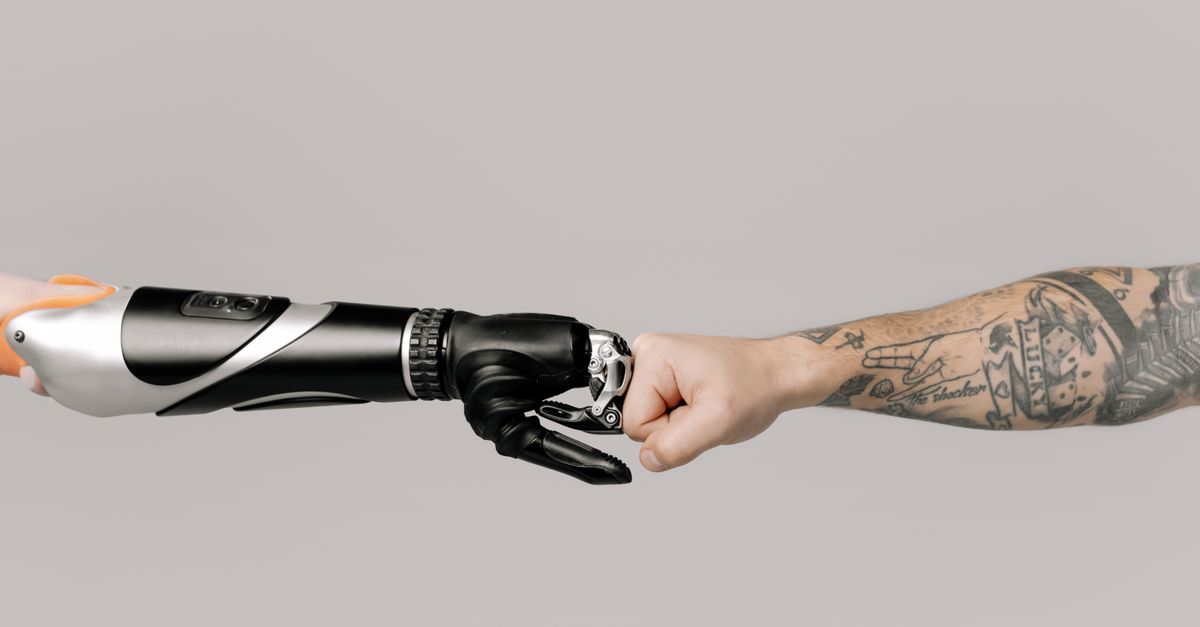
Beyond the Blade: A Reality Check on Surgical Robotics in Soft Tissue
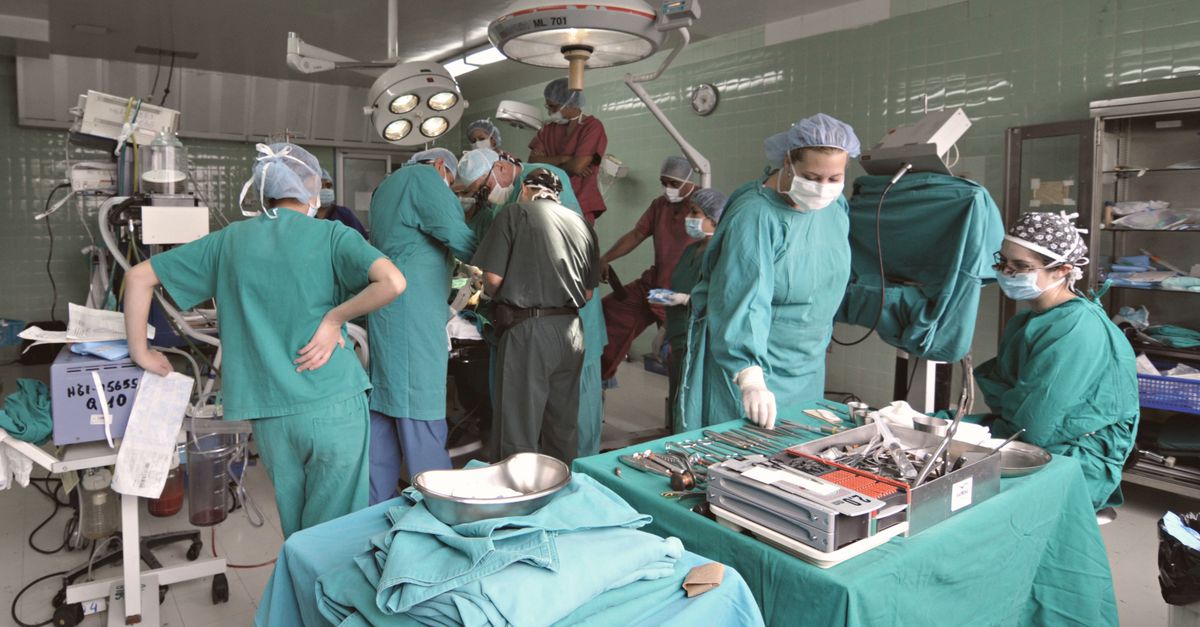
The Gap Between Concept and Sterile Field
The narrative surrounding surgical robotics has often drifted toward speculative futurism. Rendered concepts of autonomous suturing and AI-assisted incisions dominate online media, yet the commercial reality remains grounded in mechanical precision, regulatory clearance, and supply chain logistics. At RobotWale, we grade claims by shipping hardware first, pilot deployments second, and announcements last. This analysis focuses on the soft-tissue field, where laparoscopic and robotic-assisted surgery intersect.
Soft-tissue surgery involves non-rigid organs like the stomach, colon, and bladder. Unlike orthopedic robotics, which often relies on pre-operative CT scans for bone drilling, soft-tissue robotics must adapt to physiological movement. The market leaders have moved from prototypes to installed hardware, but the distribution landscape varies significantly between North America, Europe, and India.
The Incumbent: Intuitive da Vinci Systems
Intuitive Surgical remains the benchmark for robotic-assisted surgery. The da Vinci Xi and the newer da Vinci SP (Single Port) are not concepts; they are installed hardware operating in thousands of hospitals globally. As of 2024, Intuitive reports over 8,000 installations worldwide.
Technical Reality: The da Vinci system uses a surgeon console, a patient cart with four to five robotic arms, and a 3D high-definition vision system. It does not operate autonomously. The surgeon controls the EndoWrist instruments, which offer seven degrees of freedom, surpassing the human wrist's three degrees of freedom.
India Availability: Intuitive Surgical has a presence in India through partners like BPL and direct channel distribution. The system is available in tier-1 hospitals in Delhi, Mumbai, and Bangalore. However, the landed cost is prohibitive for many mid-sized facilities.
Cost Estimate: The system cost typically ranges between $1.5 million to $2.5 million USD. With import duties (10-15% in India) and service contracts, the total landed cost often exceeds INR 18-22 Crores. Annual maintenance contracts (AMC) typically run 15% to 20% of the purchase price, adding INR 3-4 Crores annually to the operational budget.
Deployment Status: Over 100 da Vinci systems are estimated to be active in India as of late 2023. The SP system is gaining traction for specific urological and gynecological procedures due to its single-port design, which reduces incision size.
The Challenger: Medtronic Hugo RAS
Medtronic entered the field with the Hugo RAS (Robotic-Assisted Surgery) system. Unlike Rendered concepts, this system is FDA-cleared and CE-marked. In 2022, Medtronic announced FDA clearance for the Hugo RAS System for general surgery.
Technical Reality: Hugo RAS is a modular system. It utilizes three robotic arms controlled by a console, designed to be more compact than the da Vinci Xi. It aims to lower the entry barrier through a modular approach where surgeons can add arms as needed.
Shipping Status: Hugo RAS units have been shipped to pilot sites in the US, Europe, and Asia. However, global rollout is slower than Intuitive's historical pace. The system is currently shipping in the US and parts of Europe, with limited commercial availability in Asia.
India Availability: As of mid-2024, Medtronic India has not publicly confirmed a large-scale commercial rollout of Hugo RAS. Pilot deployments are likely in advanced tertiary care centers, but widespread availability in the Indian private hospital market is not yet confirmed via public supply chain data.
Cost Estimate: While specific pricing is not public, industry estimates suggest it aims for a 15% cost advantage over the da Vinci. If da Vinci is INR 20 Crores, Hugo RAS might land closer to INR 17 Crores, though this depends heavily on the final configuration.
The Specialist: Stryker Versius
Acquired by Stryker in 2021, the Versius system was originally developed by Verb Surgical. It is a commercial-grade robotic system, distinct from research prototypes.
Technical Reality: The Versius system features a single-arm console and modular robotic arms. It is designed for flexibility, allowing the arms to be positioned around the patient table to optimize workflow. It uses a modular design where a surgeon can use one, two, or three arms.
Shipping Status: Versius has been shipping in the UK, Europe, and the US. In the US, it has received FDA clearance for general surgery. However, its market share remains significantly smaller than da Vinci.
India Availability: Stryker's presence in India is strong in orthopedics, but surgical robotics penetration is still nascent. The Versius system is not widely advertised in Indian medical procurement catalogs as of 2024. Deployment is likely limited to select pilot programs or university hospitals.
The Soft-Tissue Market Dynamics
Soft-tissue robotics focuses on laparoscopic procedures: cholecystectomy, hysterectomy, prostatectomy, and colorectal resection. The hardware challenge here is instrument dexterity inside a confined space.
Instrumentation: All three systems (da Vinci, Hugo, Versius) use disposable instruments. This is a recurring revenue stream for manufacturers. The da Vinci system uses proprietary instruments that must be replaced after a certain number of uses, ensuring compatibility but locking the hospital into the manufacturer's supply chain.
Training: Hardware is useless without training. The da Vinci system has a rigorous training academy. In India, training is often conducted in Singapore or Mumbai. The learning curve for a surgeon to become proficient on the console is approximately 150 cases.
India's Surgical Robotics Landscape
The Indian medical device ecosystem is maturing, but surgical robotics faces unique barriers.
- Regulatory Hurdles: The Central Drugs Standard Control Organisation (CDSCO) requires approval for importing high-cost devices. This adds time to the supply chain.
- Reimbursement: Unlike the US, where insurance covers robotic surgery, India's private insurance often covers only the procedure, not the robotic premium. This limits adoption to self-pay patients or high-end private hospitals.
- Service Infrastructure: A robotic system requires on-call engineers. If a system fails during a surgery, the impact is critical. Indian hospitals often rely on the manufacturer's service partners in Bangalore or Delhi.
Estimated Market Size: The Indian robotic surgery market is estimated at $150-$200 million USD in 2024, growing at a CAGR of 15%. This suggests roughly 200-300 systems installed across the country.
Grading the Claims
When evaluating new entrants, we prioritize the following hierarchy:
- Shipping Hardware: Is the device actually being sold and installed? (da Vinci: Yes. Hugo: Yes. Versius: Limited).
- Pilot Deployments: Is it running in a live OR with patients? (da Vinci: Yes. Hugo: Yes in pilots).
- Announcements: Is it just a press release? (Avoid these as primary data).
For India, the landed cost remains the primary filter. Systems costing over INR 15 Crores require significant justification in ROI. Many hospitals are turning to semi-automated systems or advanced laparoscopic towers to bridge the gap until the cost of robotics drops.
Conclusion
The surgical robotics sector is no longer about what is possible in a lab. It is about what is installed in the OR. The da Vinci system remains the dominant hardware standard, with Hugo and Versius attempting to chip away at the market share through modular design and cost optimization. In India, the barrier is not just regulatory but economic. Until the landed cost approaches INR 10 Crores, widespread adoption will remain limited to tier-1 metros.
For medical administrators, the decision should be based on the specific procedure volume. If a hospital performs fewer than 200 robotic procedures annually, the ROI may not support a da Vinci purchase. Alternative systems may offer better value, provided they are CDSCO approved and supported by a local service network.
The future of soft-tissue surgery lies in the reliability of the hardware, not the hype of the concept. As long as the systems require human control and maintenance, the economics of deployment will remain the defining factor in their success.
✓ Key takeaways
- •Hands-on view of Beyond the Blade: A Reality Check on Surgical Robotics in Soft Tissue inside our Surgical Robots library.
- •Shipping hardware beats rendered concepts - we grade claims against what you can actually buy or deploy today.
- •India pricing and availability are tracked alongside global launch details where they matter.
References
Related articles
More in Surgical Robots →