IISc Bangalore Launches Dedicated Humanoid Robotics Research Lab - RobotWale News
New Research Facility Opens at IISc Bangalore
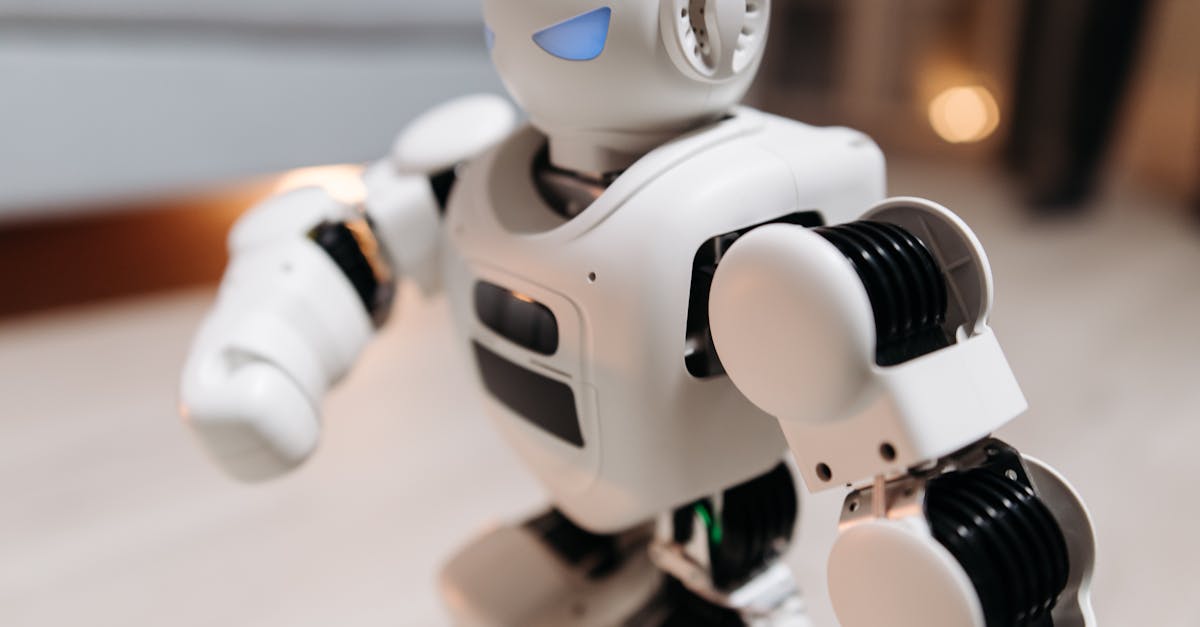
The Indian Institute of Science (IISc) has officially inaugurated the Centre for Humanoid Robotics and Autonomous Systems (CHRAS) in Bengaluru. Established through a strategic collaboration with the Technical University of Munich, the facility marks India’s first dedicated academic laboratory focused exclusively on bipedal locomotion, dynamic balance, and humanoid manipulation. The launch ceremony occurred on October 14, 2024, with principal investigators outlining a comprehensive three-year development roadmap for open-source humanoid platforms tailored to emerging market demands.
Focus on Cost Reduction and Local Manufacturing
Hardware affordability remains the most significant barrier to humanoid robot adoption across Indian enterprises. While commercial units from global manufacturers routinely exceed $200,000, CHRAS engineers are developing indigenous joint modules and high-torque density actuators designed to slash production costs. The team targets a final retail price of under ₹15 lakh ($18,000) for entry-level models by 2026. Early testing phases will utilize custom-built chassis to simulate high-temperature factory floors and uneven agricultural terrain, ensuring components meet India’s specific operational stress requirements.
AI Integration and Open Data Initiative
On the software front, CHRAS will prioritize reinforcement learning architectures that enable real-time terrain adaptation and fall recovery without cloud dependency. Researchers have confirmed that all gait trajectory data, sensor calibration files, and manipulation trials will be compiled into an open-access repository by the second quarter of 2025. The facility will also run a biannual certification program for Indian polytechnic and engineering students, directly addressing the national skills gap in advanced mechatronics.
Industry Collaboration and Funding Structure
The initiative is backed by an initial ₹45 crore grant distributed between the Department of Science and Technology and three domestic industrial partners. Pilot integration projects with Indian automotive and electronics assembly lines are slated for late 2025. By establishing a localized research pipeline, CHRAS aims to reduce import dependency for core robotics components and position India as a competitive exporter of affordable humanoid automation solutions.
Technical Milestones and Global Context
CHRAS researchers will initially concentrate on improving power-to-weight ratios for series-elastic actuators and developing proprietary control algorithms that mimic human muscle spindles. The lab will also host an annual humanoid robotics symposium in Bengaluru, inviting participants from across South Asia to benchmark locomotion efficiency against international standards. With global humanoid shipments projected to surpass 50,000 units annually by 2027, India’s early focus on cost-optimized research positions the nation to capture significant market share in labor-intensive sectors such as warehousing, construction, and elder care.
More in Reviews & Opinion