IISc Bangalore Unveils Advanced Humanoid Actuator Research Facility - RobotWale News

IISc Bangalore Establishes Dedicated Humanoid Robotics Research Centre
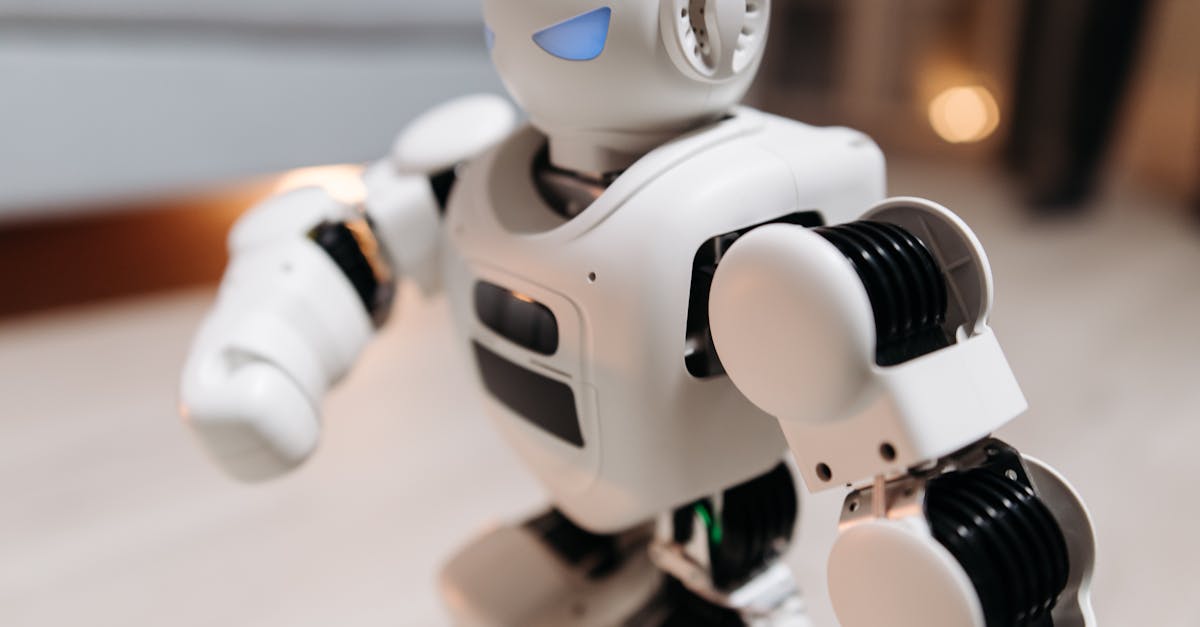
The Indian Institute of Science (IISc) in Bangalore officially inaugurated its new Humanoid Robotics Research Centre on October 15, 2024, marking a significant step in domestic humanoid development. The facility, developed over 18 months with a ₹42 crore initial funding allocation from the Department of Science and Technology, focuses on precision actuator design, joint torque optimization, and real-time control algorithms specifically tailored for bipedal locomotion. The launch addresses a critical bottleneck in India’s robotics ecosystem, where imported joint modules currently dominate local development pipelines.
Focus on Cost-Effective Component Manufacturing
Unlike international counterparts that rely on imported harmonic drives and custom servos, the IISc lab is pioneering indigenous manufacturing techniques for high-torque density actuators. The research team has successfully prototyped a Series 3 joint module capable of delivering 280 Nm of peak torque at a production cost of approximately ₹18,000 per unit. This pricing represents a 60 percent reduction compared to currently available commercial alternatives, positioning Indian startups to accelerate humanoid assembly and deployment. The facility’s CNC machining centers and winding stations are calibrated to support batch production of planetary gearboxes and brushless DC motors.
Industry Collaboration and Testing Infrastructure
The facility includes a dedicated motion capture arena, force plate arrays, and a thermal management testing chamber. Researchers will conduct long-duration gait stability trials and fall-recovery simulations to validate control architectures under varied terrain conditions. The lab has already secured partnerships with three domestic robotics firms for component integration and system-level testing. Industry observers note that the centre’s open-source actuator blueprints will be released quarterly, aiming to lower the barrier to entry for Indian humanoid robotics startups. The infrastructure also features a high-performance computing cluster for reinforcement learning simulations and digital twin modeling.
Next Steps and Deployment Timeline
Prototyping of a full-scale 24-degree-of-freedom humanoid platform is scheduled to begin in Q1 2025, with initial field trials targeting industrial logistics and laboratory automation environments. The IISc consortium plans to publish its first dataset on joint actuation efficiency and power consumption metrics by March 2025. The facility will also host a quarterly symposium for researchers across South Asia to standardize humanoid safety protocols and interoperability frameworks. With domestic semiconductor advancements and government incentives for advanced manufacturing, the centre aims to position India as a competitive hub for humanoid robot R&D by 2026.
More in Reviews & Opinion