IIT Madras and Bosch India Unveil Arya-1 Humanoid Research Platform - RobotWale News
Academic-Industry Collaboration Advances Humanoid Robotics Research
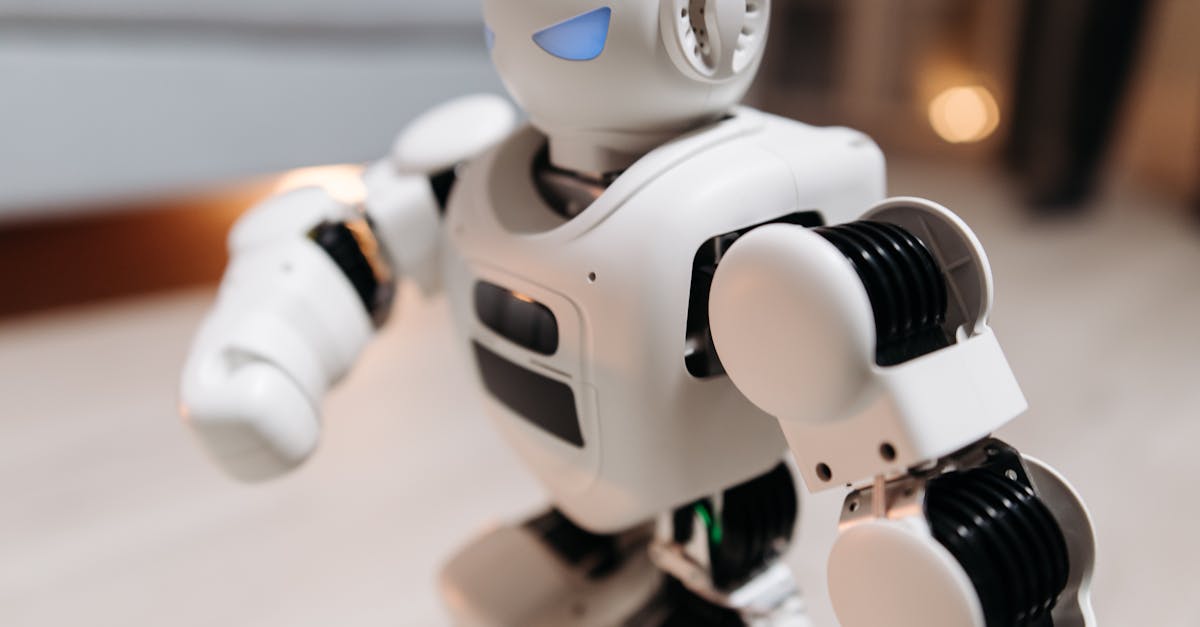
On October 24, 2024, researchers from IIT Madras and Bosch India officially unveiled the Arya-1 humanoid research platform at a press conference in Chennai. The development marks a significant step forward in making advanced humanoid robotics accessible to academic institutions across India and Southeast Asia. The platform features a 28-degree-of-freedom actuator system, lightweight carbon-fiber limbs, and a modular compute architecture running on open-source ROS 2 software.
Designed for Laboratory Accessibility and AI Training
The primary objective of the Arya-1 project is to lower the financial barrier for university robotics labs. Priced at ₹18.5 lakhs (approximately $22,000 USD), the system is positioned as the most cost-effective fully articulated humanoid platform available for academic procurement. Bosch India contributed precision harmonic drives and torque sensors, while IIT Madras’ Robotics Research Lab handled the kinematic modeling and real-time control algorithms. The hardware supports external AI integration via standardized Ethernet and CAN bus interfaces, enabling researchers to train reinforcement learning models for dynamic balance, manipulation, and human-robot interaction.
Open-Source Framework and Deployment Plans
Alongside the physical hardware, the consortium released the Arya-1 Open Control Suite, a fully documented software stack that includes simulation environments compatible with Isaac Sim and Gazebo. The initial firmware update enables joint impedance control and vision-based object localization. IIT Madras plans to deploy three units to partner institutions in Bengaluru, Hyderabad, and Pune by early 2025, with a fourth unit reserved for the National Robotics Centre in New Delhi. Bosch India has committed to providing technical support and firmware updates for a five-year period.
The launch aligns with India’s broader push toward indigenous robotics manufacturing under the Production Linked Incentive scheme. By standardizing core components and publishing complete CAD files and control theory documentation, the project aims to accelerate prototype development across Indian engineering colleges. Researchers will be able to focus on software innovation and domain-specific applications rather than custom actuator design. The platform is now available for institutional pre-orders through IIT Madras’ Technology Business Incubator.
More in Reviews & Opinion