IIT Madras and NITI Aayog Collaborate on Low-Cost Humanoid Robot Prototype - RobotWale News
Research Breakthrough Announced in Chennai
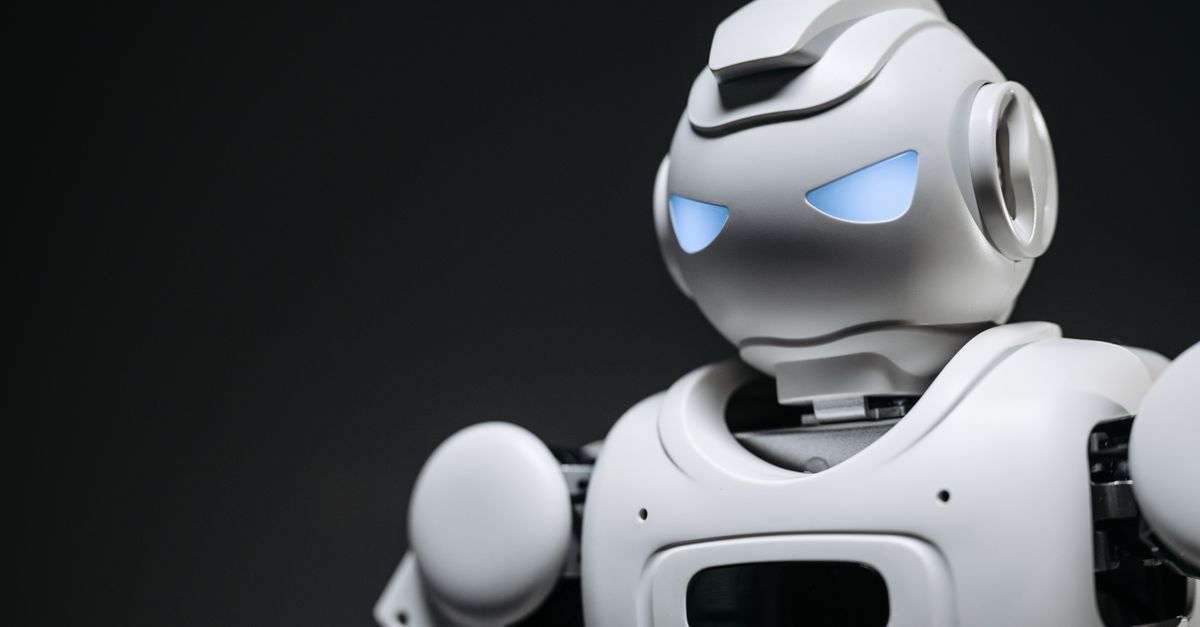
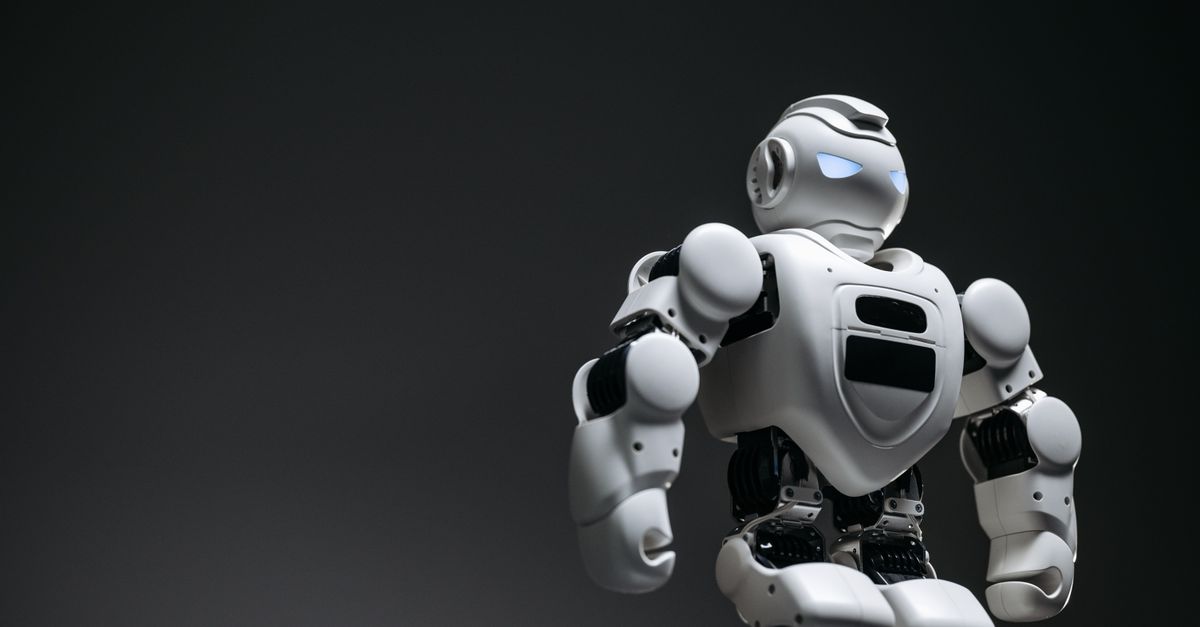
The Indian Institute of Technology (IIT) Madras, in strategic collaboration with NITI Aayog, has officially unveiled the prototype of its new humanoid research robot, named Drishti-1. The announcement was made at the India Robotics Summit 2024 held in Chennai earlier this week. Developed by the Department of Electrical Engineering and the Robotics Lab, the project marks a significant step toward indigenous automation solutions.
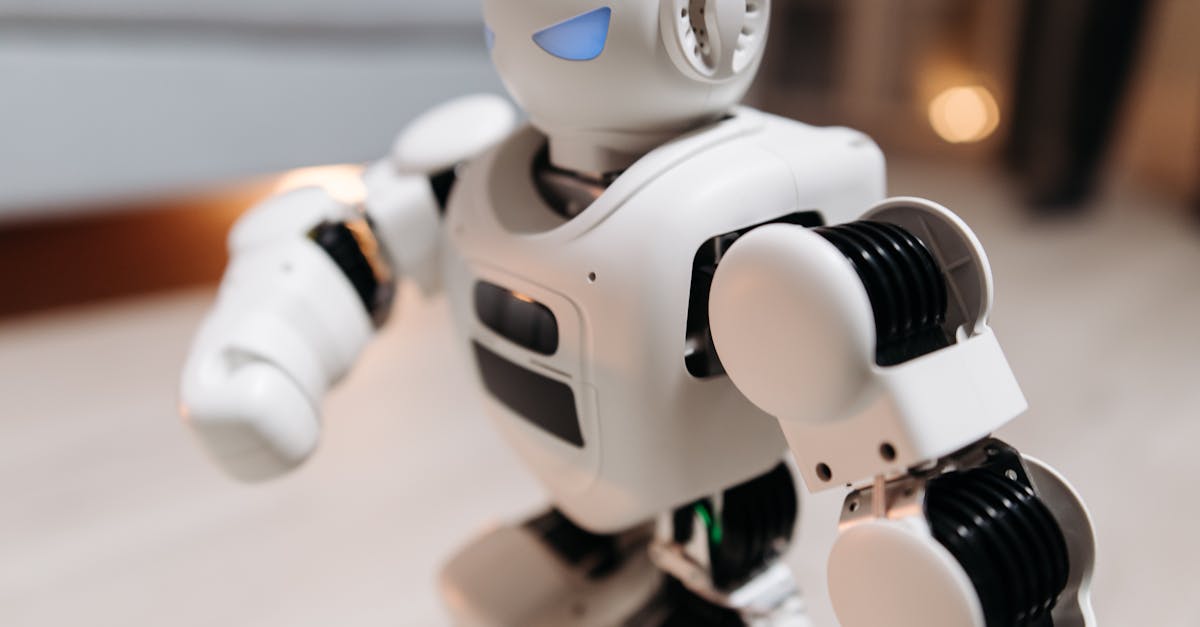
The Drishti-1 is designed specifically to address the labor shortages faced by Indian manufacturing sectors. It features a bipedal locomotion system capable of navigating uneven terrain common in Indian industrial zones. The research team highlighted the integration of localized sensors and AI-driven decision-making modules tailored for local operational environments.
Tech Specs and India Relevance
Key specifications include a payload capacity of 15 kilograms and a battery life optimized for 8-hour shifts. The robot utilizes a modular design that allows for easy maintenance, reducing downtime for factory units. According to the lead researcher, the prototype leverages open-source hardware frameworks to keep costs down.
Pricing remains a critical factor for adoption in the Indian market. The research team estimates the unit cost to be approximately INR 15 lakhs, which is nearly 40% lower than comparable models from global giants like Tesla or Boston Dynamics. This pricing strategy aims to make automation accessible to Small and Medium Enterprises (SMEs) rather than just large conglomerates.
Future Roadmap and Industry Impact
The collaboration has secured funding under the 'Make in India' robotics initiative. The team plans to begin pilot testing with three partner manufacturing units in Tamil Nadu and Maharashtra by the end of the fiscal year. Successful trials will pave the way for mass production and potential export to Southeast Asian markets.
Industry analysts suggest this development could lower the barrier to entry for humanoid robotics in India. The focus on affordability addresses the primary bottleneck in the sector's growth. As the research moves from the lab to the factory floor, the Drishti-1 represents a pivotal moment for India's autonomous robotics ecosystem.
More in Reviews & Opinion